Paparazzi explores the relationship between Brigitte Bardot and groups of invasive photographers attempting to photograph her while she works on the set of Jean-Luc Godard's film Le Mépris (Contempt). Through video footage of Bardot, interviews with the paparazzi, and still photos of Bardot from magazine covers and elsewhere, director Rozier investigates some of the ramifications of international movie stardom, specifically the loss of privacy to the paparazzi. The film explains the shooting of the film on the island of Capri, and the photographers' valiant, even foolishly dangerous, attempts to get a photograph of Bardot.
A documentary on Fellini’s lost alternate ending for 8½
The first part of this series by Norman McLaren deals only with tempo. It starts by showing the disc travelling in one move (1/24 of a second) from A to B, and progressively demonstrates slower and slower tempos.
A chronicle of the production problems — including bad weather, actors' health, war near the filming locations, and more — which plagued the filming of Apocalypse Now, increasing costs and nearly destroying the life and career of Francis Ford Coppola.
In the late sixties, Spanish cinema began to produce a huge amount of horror genre films: international markets were opened, the production was continuous, a small star-system was created, as well as a solid group of specialized directors. Although foreign trends were imitated, Spanish horror offered a particular approach to sex, blood and violence. It was an extremely unusual artistic movement in Franco's Spain.
Within the coming decades we will be able to create AIs with greater than human intelligence, bio-engineer our species and re-design matter through nanotechnology. How will these technologies change what it means to be human? Director Doug Wolens speaks with leading futurists, computer scientists, artificial intelligence experts, and philosophers who turn over the question like a Rubik’s Cube. Ultimately, if we become more machine-like, and machines more like us, will we sacrifice our humanity to gain something greater? Or will we engineer our own demise? THE SINGULARITY is a comprehensive and insightful documentary film that examines technology’s accelerating rate, and deftly addresses the resulting moral questions.
Documentary about master director Roberto Rossellini, who tells details of his life and childhood and visits the places where he has lived and shot some of his most famous movies.
An intimate portrait of the superb actress Gena Rowlands, icon of independent cinema. Together with her husband, legendary director John Cassavetes (1929-89), she lived an unusual life beyond the dream factory, a life in which reality and fiction were so perfectly intertwined that it made possible films that still today seem incredibly real.
From 1957 —the year in which the Soviets put the Sputnik 1 satellite into orbit— to 1969 —when American astronaut Neil Armstrong walked on the surface of the moon—, the beginnings of the space conquest were depicted in popular culture: cinema, television, comics and literature of the time contain numerous references to an imagined future.
The filmmakers and lead actors of The Remains of the Day (1993) discuss how they came to make the film, and the subtle power of its execution.
Leonardo da Vinci is acclaimed as the world’s favourite artist. Many TV shows and feature films have showcased this extraordinary genius but often not examined closely enough is the most crucial element of all: his art. Leonardo’s peerless paintings and drawings will be the focus of Leonardo: The Works, as EXHIBITION ON SCREEN presents every single attributed painting, in Ultra HD quality, never seen before on the big screen. Key works include The Mona Lisa, The Last Supper, Lady with an Ermine, Ginevra de’ Benci, Madonna Litta, Virgin of the Rocks, and more than a dozen others.
She was a prolific self-portraitist, using the canvas as a mirror through all stages of her turbulent and, at times, tragic life. This highly engaging film takes us on a journey through the life of one of the most prevalent female icons: Frida Kahlo. Displaying a treasure trove of colour and a feast of vibrancy on screen, this personal and intimate film offers privileged access to her works and highlights the source of her feverish creativity, her resilience and her unmatched lust for life, men, women, politics and her cultural heritage.
This is the legendary meeting between a young filmmaker and one of the masters of surrealism: the spanish painter Óscar Domínguez, born in La Laguna, Tenerife, in 1906, died in Paris in 1957. In the "Visite," the artist -admirer of Picasso, rebellious disciple of Breton- is presented in solitude, far from the tumult of the exhibitions and parisian circles. An austere approach, almost “povera”, with no audio, nor flashy camera movements, but rarely attractive. Why Resnais could not finish his movie? Hope one of our experts help us to solve the mystery.
Four lives that could not be more different and a single passion that unites them: the unconditional love for their cinemas, somewhere at the end of the world. Comrades in Dreams brings together six cinema makers from North Korea, America, India and Africa and follows their efforts to make their audiences dream every night.
The murder of Dutch filmmaker Theo van Gogh by an Islamic extremist in 2004, followed by the publishing of twelve satirical cartoons depicting the prophet Mohammed that was commissioned for the Danish newspaper Jyllands-Posten, provides the incendiary framework for Daniel Leconte's provocative documentary, It's Hard Being Loved by Jerks.
A documentary special that explores the power of identity behind the iconic superheroes we know and love today. These legendary Marvel creations and stories have not only reflected the world outside our window – they have become a reflection of our own identities and who we truly are.
A behind-the-scenes documentary about director Michelangelo Antonioni as he's shooting his segment of The Three Faces, a vehicle for Soraya, the former empress of Persia. Featuring interviews with Monica Vitti, Tonino Guerra and more.
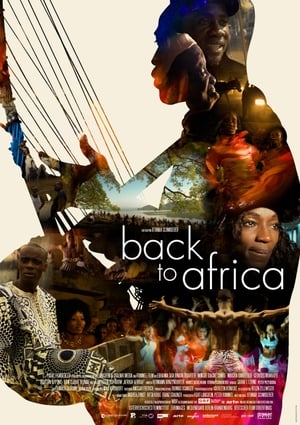
How African artists have spread African culture all over the world, especially music, since the harsh years of decolonization, trying to offer a nicer portrait of this amazing continent, historically known for tragic subjects, such as slavery, famine, war and political chaos.
An episode of the television program Cinéastes de notre temps in which the director gives his first on-camera interview.
A documentary about the making of Jean-Pierre Melville's 1949 film "Le silence de la mer"