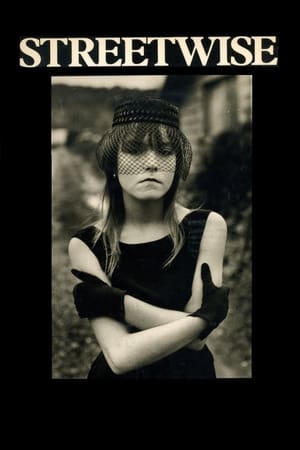
A cinematic portrait of the homeless population who live permanently in the underground tunnels of New York City.
Award-winning documentary maker Bryan Bruce investigates New Zealand's housing crisis and what might be done to solve it. Bruce consults with recognised world experts (in Canada, Ireland and Germany) to discuss their global research – this time on foreign capital and housing affordability and the effect of immigration on house prices. Bruce also looks at some of the many possible solutions (available particularly in Germany) that would provide families with stability of tenure that don’t involve private ownership.
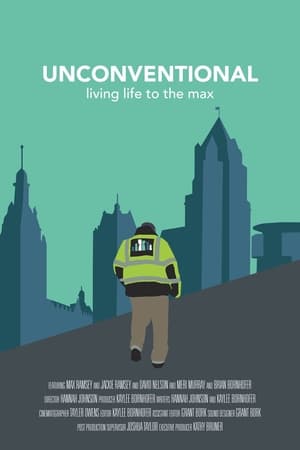
Max Ramsey, an advocate for those experiencing poverty, uses what he has gone through to serve the impoverished community of Milwaukee despite internal struggles and disapproval from the city.
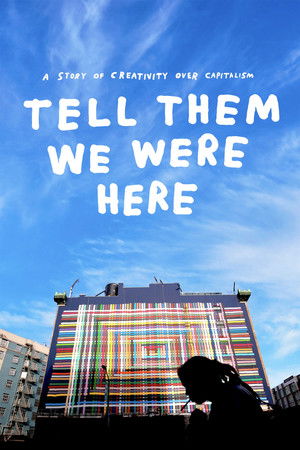
Tell Them We Were Here is an inspirational feature-length documentary about eight artists who show us why art is vital to a healthy society and reminds us that we are stronger together.
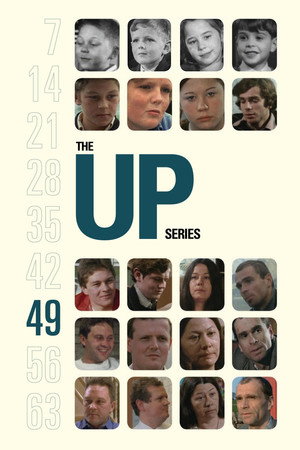
49 Up is the seventh film in a series of landmark documentaries that began 42 years ago when UK-based Granada's World in Action team, inspired by the Jesuit maxim "Give me the child until he is seven and I will give you the man," interviewed a diverse group of seven-year-old children from all over England, asking them about their lives and their dreams for the future. Michael Apted, a researcher for the original film, has returned to interview the "children" every seven years since, at ages 14, 21, 28, 35, 42 and now again at age 49.In this latest chapter, more life-changing decisions are revealed, more shocking announcements made and more of the original group take part than ever before, speaking out on a variety of subjects including love, marriage, career, class and prejudice.
It's a sensitive, moving doc chronicling the life of Tétrault's brother Philip , a Montreal poet, musician and diagnosed paranoid schizophrenic. A promising athlete as a child, Philip began experiencing mood swings in his early 20s. His extended family, including his daughter, share their conflicted feelings love, guilt, shame, anger with the camera. They want to make sure he's safe, but how much can they take?
This short documentary provides a new look at the Lauberivière organization as well as the individuals who benefit from and operate the services.
Poignant stories of homelessness on the West Coast of the US frame this cinematic portrait of a surging humanitarian crisis.
It is winter at an emergency shelter for the homeless in Lausanne. Every night at the door of this little-known basement facility the same entry ritual takes place, resulting in confrontations which can sometimes turn violent. Those on duty at the shelter have the difficult task of “triaging the poor”: the women and children first, then the men. Although the total capacity at the shelter is 100, only 50 “chosen ones” will be admitted inside and granted a warm meal and a bed. The others know it will be a long night.
A homeless man living in a encampment in Minneapolis tells his perspective on the ongoing crisis of homelessness.
Homelessness in the United States takes many forms. For Elizabeth Herrera, David Lima and their four children, housing instability has meant moving between unsafe apartments, motels, relatives’ couches, shelters, the streets and their car. After 15 years of this uncertainty, the family moved into their first stable housing — an apartment in the San Francisco Bay Area — in the midst of the coronavirus pandemic.
Djibi and Ange, two teenagers living on the streets, arrive at the Archipel, an emergency shelter in the heart of Paris. This documentary is a look at the Archipel, a shelter offering an innovative way to welcome families living on the streets.
Stonewall veterans (including prominent trans activist Sylvia Rivera) and HIV-positive New Yorkers take up residency on the Hudson River piers as cranes raze vacant buildings for a new skyline.
Mariem, 53, a former estate agent, has been living at a shelter for several months. Surrounded by women in far more precarious circumstances than herself, she tries to regard her unprecedented social downfall as an immersion in real life. By the time she leaves, Mariem’s view of the world will have changed forever, enriched by all the women she has met along the way.
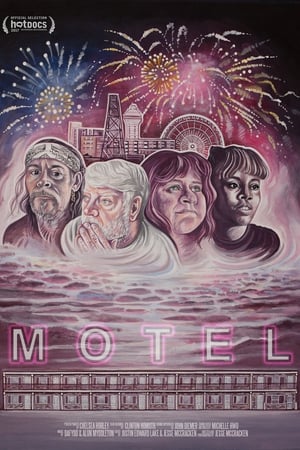
As Niagara Falls transformed from honeymoon capital of the world to Las Vegas North, corporate hotel chains and casinos cast a long shadow over the independent motels that once populated the town. The Continental survived the transition by converting its rooms into affordable housing units, becoming a home for those with few places to go. The night manager, Brian, once a freelance photographer who survived the horrors of war in Vietnam, shares his duties with his colleague Linda. Together they manage both the Continental and the individual struggles of its tenants, providing more than a roof over the heads of those who live under their supervision. Bringing a fresh focus to one of the most photographed places on Earth, director and cinematographer Jesse McCracken develops an intimate and caring portrait of the residents of this modest micro-community set against the backdrop of neon-lit tourist attractions.
For five years, Stephen McCoy documented street life in Boston. This is what he captured.
Young people who have to survive without a home base are helped on their way to a life on their own two feet at Wonen Met Kansen. Little by little, with trial and error, but with the rock-solid confidence that the supervisors have in them.
Each night in Silicon Valley, the Line 22 transforms from a public city bus into an unofficial shelter for the homeless in one of the richest parts of the world.
Geri is a serious drug addict, using designer drugs intravenously. Between two flashes, he lives an active social life on the streets of Budapest, in a subculture that "normal" people cannot see.
Beat Goes On is an impressionistic portrait of the activist Keith Cylar (1958–2004), co-founder of Housing Works and a central figure in the AIDS Coalition To Unleash Power (ACT UP) NY. Cylar spoke clearly, frequently and with moral force about the struggles of people living with HIV/AIDS in New York City, many of whom were impoverished and struggling with multiple social and medical problems. His openness about his own drug use and the centrality of the fight against the criminalization of drugs for AIDS activism make Cylar's legacy especially resonant and relevant at this time. Commissioned by Visual AIDS in 2019 as part of STILL BEGINNING, a program of seven short videos responding to the ongoing HIV/AIDS epidemic.