This short documentary features poet N Rengarajan, a migrant worker from Pudukkottai, India who sustains a practice of poetry as a way of life while working in the construction sector in Singapore. The film, structured around three of his poems, seeks to visually mirror the rhythm and tone of his writing. Together, verse and visuals strive to draw attention to the poet's acute illuminations of the realities of migrant life.
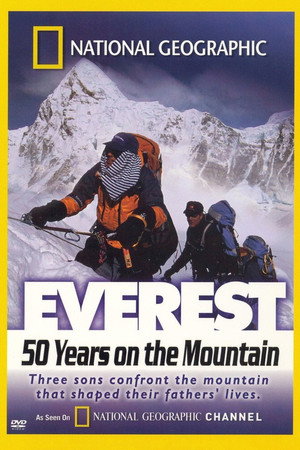
In 1953, Sir Edmund Hillary & Tenzing Norgay made history as the first people to reach the top of Everest. Now, 50 years later, three sons of Everest's most celebrated climbers return to the mountain to challenge it again. Join their journey as they brave the elements and face death to climb 29,000 feet of wind-blasted rock and ice. And, relive the dramatic history of Everest from great triumphs to deadly tragedies, enduring rivalries and the unsung role of the Sherpa people—as National Geographic exposes the untold stories that lurk in the mountain's epic shadow and takes you on the ultimate Everest experience.
American high school students from the privileged Silicon Valley travel to Manang, Nepal in this documentary about how travel and life experiences can change personal perceptions. Together with a group of Manangi high schoolers, the students expand their cultural knowledge and experience a slice of life as a citizen of the globe.
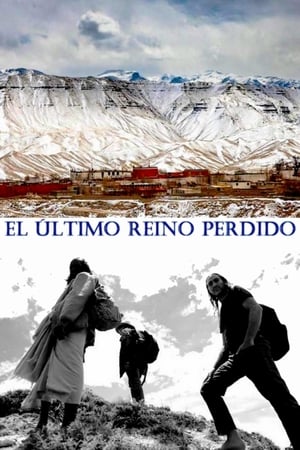
Following in the footsteps of his father, Folco Felzani embarks on an epic journey on foot in search of Mustang, the last lost kingdom, in northern Nepal. The story of a king without a kingdom. The adventure of a son without a father.
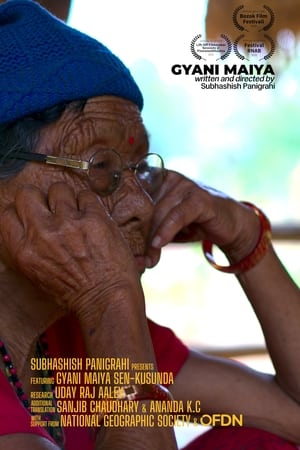
“We left our language and started speaking others’. The girls have got married and have left for the villages. Boys are getting married in villages. It should be taught to children”. — Gyani Maiya Sen-Kusunda The Gi Mihaq (also known as Kusunda) was a semi-nomadic hunter and gatherer community that settled in villages around the mid-western Nepalese district of Dang. They have long lost their native language Mihaq (Kusunda), to acculturation and other barriers to active use. The community also lost their 83-year-old elder Gyani Maiya Sen-Kusunda in 2020, the most and the only known fluent Kusunda speaker then. Filmed in Kulmor in the Dang District in 2018, this openly-licensed documentary is a memoir of Sen-Kusunda in her own words and a biography of her people who were forced to leave their language and cultural identity. Kusunda is being revived by Kamala Sen Khatri, Sen-Kusunda’s younger sister, and Uday Raj Aaley, a local researcher who is the key interviewer for this film.
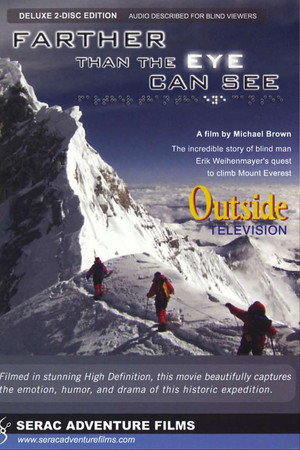
Blind climber Erik Weihenmayer and his team's highly successful ascent of Mount Everest along with four other remarkable milestones on the mountain. Time magazine called this the most successful Everest expedition of all time.
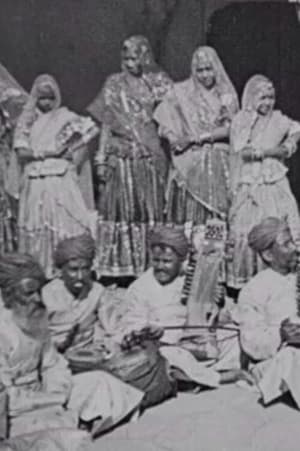
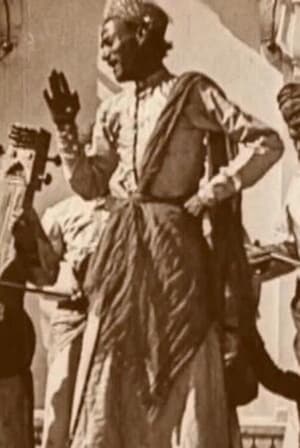
Richly detailed record of the Prince of Wales' Indian tour.
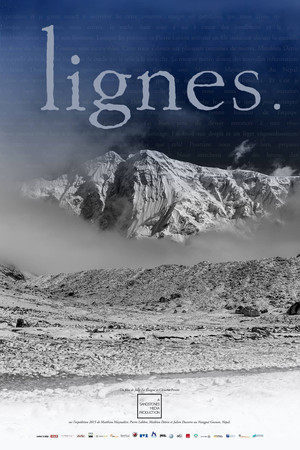
Lignes chronicles the sublime interplay between alpine literature and an expedition seeking the true meaning of mountaineering. Four high-mountain guides—Matthieu Maynadier, Pierre Labbre, Matthieu Détrie, and Julien Dusserre—embark on a project: to summit Nangpai-Gosum, an unclimbed 7,000-meter peak in Nepal, using the "alpine style" adapted to the Himalayas—the toughest and purest approach of all. Through this expedition, Lignes attempts to answer the question: "Why do we climb mountains?" Why, despite the harsh conditions and exhaustion, do these four Alpine guides pursue a perilous dream in a realm that belongs to no one? Lignes finds some answers in the past, drawing on 150 years of alpine literature. Serving as both narrator and seasoned guide, Raymond Renaud takes us on a tour of his books and speaks of the "conquerors of the useless"—from the turn of the century to the present day.
In southern Italy, stateless migrants pick the tomatoes the rest of the world will taste. But what about these workers’ European dreams? Will they be ground to a pulp? Our canned tomatoes are picked by migrant workers who have come to southern Italy to realise their dream of Europe. However, they never get beyond the tomato fields. This documentary shows how the tomato broaches a broader issue. Will the pickers keep believing in their dream, or fight against a Europe where others reap the sweet rewards of their disillusion?
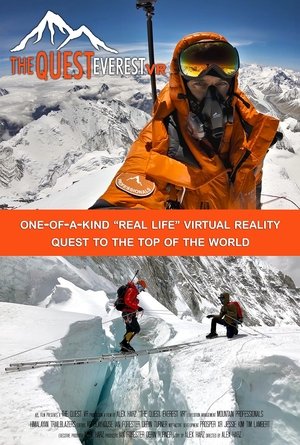
THE QUEST: Everest is a journey to deeper understand and climb the most iconic mountain in the world, Mt. Everest, and to reveal its amazing history and culture. From experiencing Everest like never before to witnessing unique stories about one of the most remarkable places on earth, THE QUEST: Everest is a one-of-a-kind cinematic tribute to the human spirit of adventure that lives inside us all.
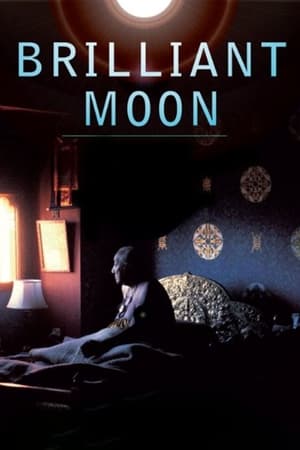
Brilliant Moon chronicles the life of the writer, poet, and meditation master Khyentse Rinpoche, one of Tibet's most revered 20th-century Buddhist teachers. Spiritual guide to His Holiness the Dalai Lama and the Royal Family of Bhutan, his life and teachings were an inspiration to all who encountered him. Richard Gere and Lou Reed provide the narration for his dangerous journey out of China, the subsequent spread of his influence and the search for his reincarnation after his death.
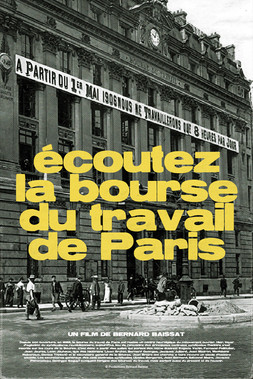
Since its opening in 1882, the Paris Bourse du Travail (Labor Exchange) has remained a nerve center of the labor movement. Once a hotbed of revolutionary syndicalism, and now a meeting place for the main labor federations, history is etched into the walls of the Bourse. It is from the rooms bearing the names of illustrious figures—Eugène Varlin, Fernand Pelloutier, Jean Jaurès, Léon Jouhaux—that historians (Jean Bruhat, Bernard Georges, Jacques Julliard, Jean Maitron, Madeleine Reberioux, Denise Trintant) and the Bourse's general secretary, Jean Braire, have sought to bring to life a century of social history. The general secretaries of the five major labor federations (André Bergeron, Jean Bornard, Edmond Maire, Jacques Pommateau, Georges Seguy) discuss the origins of the Bourses du Travail, but also address the present and the future.
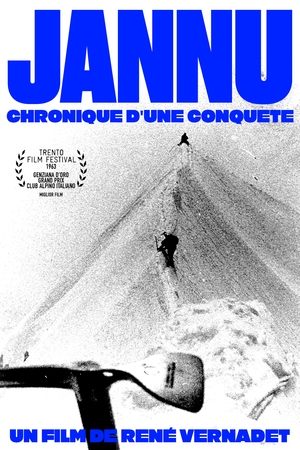
Three years after the 1959 expedition, abandoned 350m from the summit, Lionel Terray leads a new assault on Jannu, one of the most demanding peaks in the Himalayas. At the base camp, equipment and food rations are prepared. The conditions are optimal and the ascent can begin. The camera follows the progress of the mountaineers and Sherpas as closely as possible, from one high-altitude camp to another: installing fixed ropes, progressing over crevasses, in the middle of frozen towers, vertically down immense ice falls or along the edge of sharp ridges. From 7000m, oxygen bottles become essential, as the difficulty of the climb prevents acclimatization. The expedition is a total success: the majority of its members reach the 7710m summit.
In Daleki School - founded by the Catalan Kathmandu Vicki Sherpa for the children of needy families - children like Narbu and Sanjev dream of a better future.
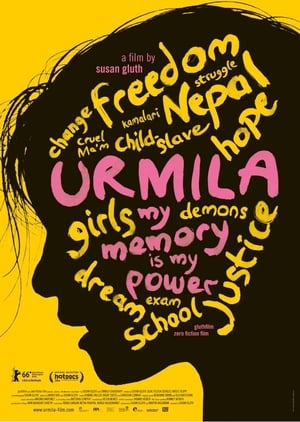
The film tells the story of 25-year-old Urmila Chaudary from Nepal. At the age of six she was sold by her family and was forced to work as a slave under appalling conditions for 12 years. Her dream is to end child slavery in Nepal. To this end she fights today as a freedom activist. A film about the quest for justice with a strength that gives courage and hope.
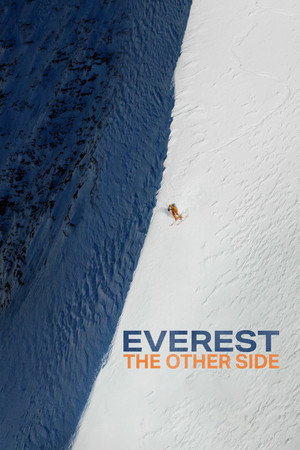
This Oscar-winning documentary tells the story behind Japanese daredevil Yuichiro Miura's 1970 effort to ski down the world's tallest mountain.
Rotem Genossar, a teacher at the Bialik-Rogozin campus in south Tel Aviv, founds a running group for his students, young African refugees whose families fled their homeland and now live in Israel without any legal status. At first running is just a social activity for the students, but it quickly becomes a means to fight for their civil rights, part of a struggle to secure them a place of their own, out of the margins of Israeli society.
Lumdo Kolola
Imagine being forced to leave your family and fight in war you don't understand - and you are only eleven years old. Sadly, for many of these child soldiers in Nepal this is a reality and the peace process has not solved their problems. These children quickly discovered that the return home is even more painful than the experience of war. Returned weaves the voices of Nepal's child soldiers, organizations working to help them, and military leader's from Nepal's opposing forces, who answer challenging questions about their use of childen as warriors.
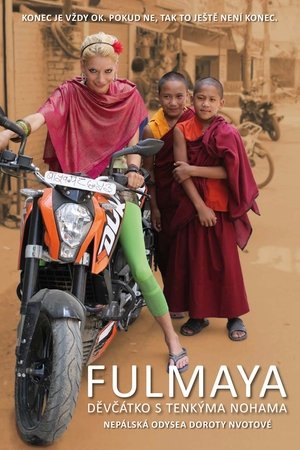
Fulmaya, děvčátko s tenkýma nohama