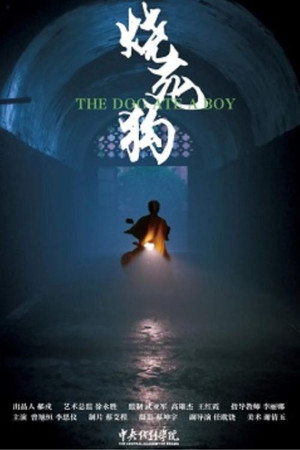
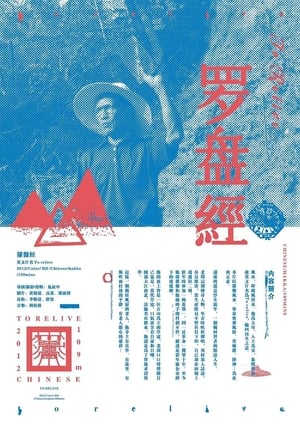
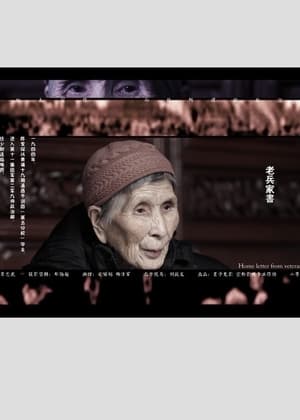
Xu Xin’s film “Dao Lu” (China 2012) offers an exclusive “in camera” encounter with Zheng Yan, an 83 year-old veteran of the Chinese Red Army, who calmly relates how he has navigated his country’s turbulent history over three-quarters of a century.Born to a wealthy family in a foreign concession, Yan joined the Chinese Communist Party (CCP) in 1941 because he sincerely believed in the socialist project, and in its immediate capacity to free China from the Japanese yoke and eradicate deep-rooted corruption.
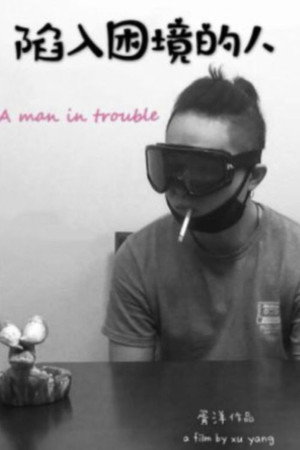
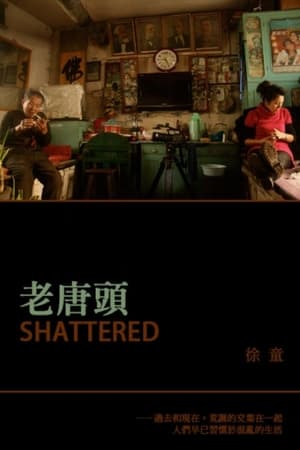
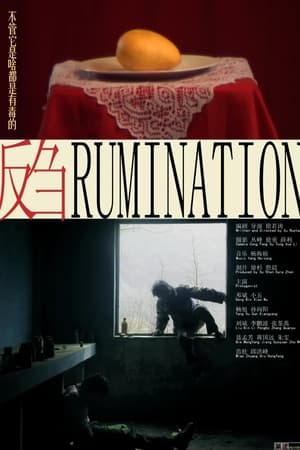
Her, not only her, they are all the only children in the family, Typical underachiever, they often escape away from their broken family r ,Humbling every day with others young people like her in Internet cafes . when she finally plans to go home, she only to find that her family had moved away… ….She became one of them.
Six-year old Lin resides in an isolated fishing village with her brother and their widowed mother. When the family gets an opportunity to start a new life, Lin has a startling revelation. A melancholic tale inspired by real events.
The Chinese Department of Sun Yat-sen University (Guangzhou) staged the Chinese debut of "The Vagina Monologues" in December 2003. Since then, this feminist play, which came from the US and has been committed to the elimination of gender-based violence, has incited a vagina hurricane that blew all over mainland China.
The film is about a woman from a rural area and works in a small restaurant as a cleaner with very low pay. As she has to support her family (mother and daughter), she has no money for herself for better makeup or dress up. She has low esteem. She later was fired by the boss. Because of no money and no home, she goes to the massage parlor and works there a sex worker. It happens that the first customer is the chef of previous restaurant. She has admired him for a while. In this first sex exchange, she is well satisfied both emotionally as well as economically. She starts sex work this way and becomes more confident.
Gentle, easy-going Or Kia moves from the countryside to Kuala Lumpur to work for his cousin and best friend Ah Soon, a mid-level gangster and enforcer. While Or Kia works hard to put a sister through school, Ah Soon cares for an unstable girlfriend prone to mysterious disappearances. As they both sink deeper into a nocturnal world of debts, drugs, and betrayal, Or Kia's loyalties are strained when Ah Soon falls out of favor with the bosses and tries to escape the business.
Due to his history of theft in the past, Lin Kuan is falsely accused of stealing from his high school classmate. To prove his innocence, Lin enlists his friend Xiao Bing to make a plan that will clear his name. However, heir seemingly perfect plan takes a turn that pushes Lin to a dangerous edge.
Filmed over three years on China’s railways, The Iron Ministry traces the vast interiors of a country on the move: flesh and metal, clangs and squeals, light and dark, and language and gesture. Scores of rail journeys come together into one, capturing the thrills and anxieties of social and technological transformation. The Iron Ministry immerses audiences in fleeting relationships and uneasy encounters between humans and machines on what will soon be the world’s largest railway network.
Workers, peasants, soldiers, students and merchants were five groups of Chinese society in the 1950s, after the so-called elimination of the exploited class. Borrowing this concept, the umbrella is taken as the clue to rediscover changes in various social classes after the economic reform, and to analyze the social problems in China. Workers making umbrellas, merchants selling umbrellas, students looking for jobs in the rain. Umbrella is used as a metaphor that can be seen everywhere. As the raindrop, what we see is sometimes clear, sometimes untraceable.
Chinese film directed by Zhang Ming,
Fishermen couple Ah Shing and Mei-wah, having lived from boat to shore, stayed together for most of their lives. After their son grew up, they have different visions towards the rest of their days. Ah Shing insists on fishing amid the decline of the local fishing industry. Mei-wah works as a factory worker and wishes for a more stable life. Even when there are subtle and profound changes in their relationships due to the different views, their affections for each other never stopped and they still support each other. This story is based on the real-life experience of the director's parents, and they play their own character in the film.
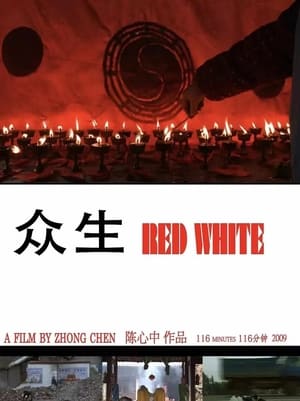
Follow the lives of the elderly survivors who were forced into sex slavery as “Comfort Women” by the Japanese during World War II. At the time of filming, only 22 of these women were still alive to tell their story. Through their own personal histories and perspectives, they tell a tale that should never be forgotten to generations unaware of the brutalization that occurred.
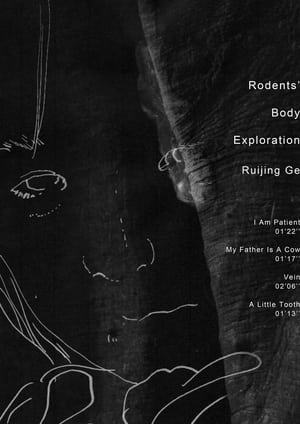
The father tells his daughter Nunu a lie that there is a cow in her milk cup. She believes it and drinks up milk, but there isn't any cow. Her father tells her a variety of lies, which Nunu finds increasingly difficult to believe.
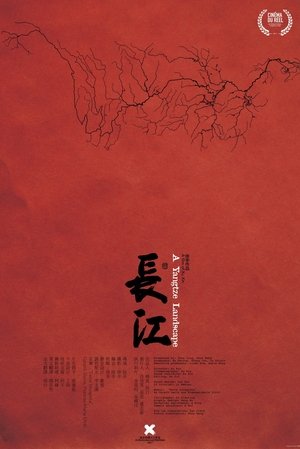
The "Great Sichuan Earthquake" took place at 14:28 on May 12, 2008. In the days after, ordinary people salvage destroyed pig farms in the mountains, collect cheap scrapped metals, or pillaging other victims' homes. Behind the media circus of official visits is an inconsolable grief of families searching for loved ones. As the Lunar New Year approaches, vagabonds and family tell of the ill-handling of rebuilding schemes and misuse relief funds. As they prepare for another visit from a high official, the refugees are swept out of the town and into tent cities. The promise to put a roof over their heads before winter seems impossible to keep.
For Chinese parents, finding out that their kid is gay usually presents a major tragedy, with the big majority utterly unable to accept the homosexuality of their son or daughter. However, during recent years a fresh rainbow wind has been blowing over the Chinese mainland: a pioneer generation of Chinese parents has been stepping up and speaking out on their love for their gay kids. This documentary features 6 mothers from all over China, who talk openly and freely about their experiences with their homosexual children. With their love, they are giving a whole new definition to Chinese-style family bonds.
A documentary film showing the life of Niu Hongmiao, a 20-year-old country girl who is now a prostitute in Beijing. Around the time of wheat harvesting, she goes back home to Dingxing County, Hebei Province to visit her parents.
A documentary chronicling the coming of age of a young chinese man.
Working as a secretary for a legal office, Xiaofen records clients detailing the sordid aspects of their lives: divorce cases, medical malpractice suits, financial corruption and old-fashioned personal revenge. Xiaofen starts to question her own relationship with her boyfriend (Deng Gang), fresh out of prison and looking to get into trouble again with his gambling habit. While Xiaofen deals with the overwhelming social malaise surrounding her, rumors spread of a disaster at the local chemical plant, threatening to poison the entire city.
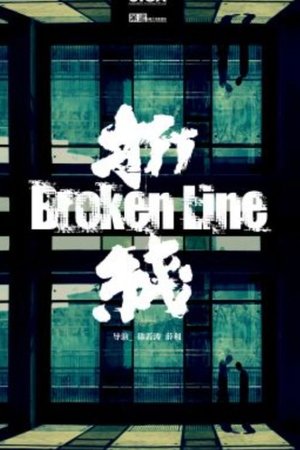
A policeman investigates an introverted signal-station manager suspected of raping a hotel clerk.
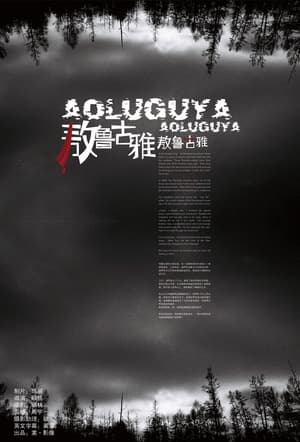
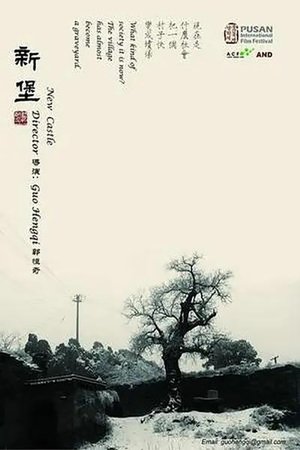
This is a story about a five-year battle waged between the farmers of two villages and the local government over land-use rights. This documentary illustrates the subtle changes being made to the rules of the game between officials and citizens, and provides deep human insight into the loss, despair and increasing awareness experienced by common farmers in the pursuit of land-use rights.