This documentary follows Pia, who is homeless. She is struggling with her drug addiction. During the day she (and many other homeless people) sells the newspaper Situation Sthlm.
It has been three years since Tom Alandh made the film "Det svåra livet" about homeless drug addict Pia. This film shows what has happened to her since.
Ten years after documentary filmmaker Tom Alandh started filming homeless drug addict Pia Sjögren, he makes his third and final film about her. Pia was 14 years old when she started smoking cannabis and using drugs. Then it all happened really fast. The heavier drugs, the men who beat, and years of cold nights in basements and attics. Treatment and punishment. Rehabs and prisons. Relapse. Constantly back, at the complete bottom, among shame and guilt. For ten years, Tom Alandh and photographer Björn Henriksson documented Pia's life. Two films were made, this is the third and last film, which shows how she managed to get clean against all odds.
The film is a controversy on democracy. Is our society really democratic? Can everyone be part of it? Or is the act of being part in democracy dependent to the access on technology, progression or any resources of information, as philosophers like Paul Virilio or Jean Baudrillard already claimed?
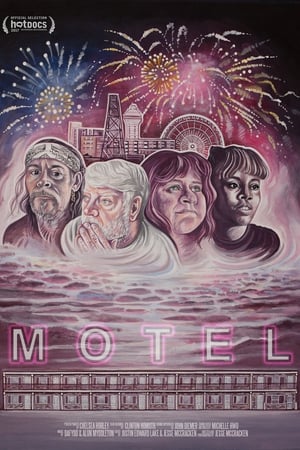
As Niagara Falls transformed from honeymoon capital of the world to Las Vegas North, corporate hotel chains and casinos cast a long shadow over the independent motels that once populated the town. The Continental survived the transition by converting its rooms into affordable housing units, becoming a home for those with few places to go. The night manager, Brian, once a freelance photographer who survived the horrors of war in Vietnam, shares his duties with his colleague Linda. Together they manage both the Continental and the individual struggles of its tenants, providing more than a roof over the heads of those who live under their supervision. Bringing a fresh focus to one of the most photographed places on Earth, director and cinematographer Jesse McCracken develops an intimate and caring portrait of the residents of this modest micro-community set against the backdrop of neon-lit tourist attractions.
Explores the lives of Sara, Gigi and Giovanna, three Latino transvestites who for years have lived on the streets of Manhattan supporting their drug addictions through prostitution. They made their temporary home inside broken garbage trucks that the Sanitation Department keeps next to the salt deposits used in the winter to melt the snow. The three friends share the place known as "The Salt Mines".
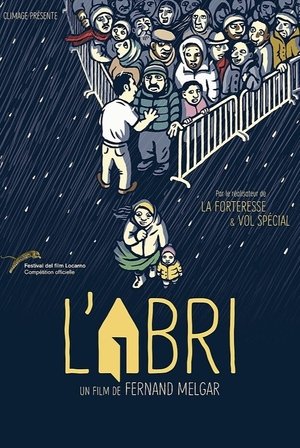
It is winter at an emergency shelter for the homeless in Lausanne. Every night at the door of this little-known basement facility the same entry ritual takes place, resulting in confrontations which can sometimes turn violent. Those on duty at the shelter have the difficult task of “triaging the poor”: the women and children first, then the men. Although the total capacity at the shelter is 100, only 50 “chosen ones” will be admitted inside and granted a warm meal and a bed. The others know it will be a long night.
1994 at the Ambassador Hotel, 55 Mason Street in the Tenderloin district of San Francisco, California. From 1978 to 1996, the hotel was managed by Hank Wilson, a San Francisco LGBT activist who made the hotel a model for harm reduction housing. 134 run-down and exhausted rooms populated by homeless men and women, sometimes even children. All of them in urgent need of care, compassion and humanity. Nobly provided by voluntarily working professional health care and social workers staff, various benefactors, volunteers, neighbors, and community contributions.
The Idle Ones is a profile of contemporary affairs - somewhere on the edge of Europe - in a place where unemployment for some young people is fast becoming a way of life. Covering a period of 18 months, the film follows the activities of a group of young men in their 20s who have finished their schooling and stayed in their home village - they loaf about unemployed since they can´t find any work in the remote district. The main characters are more or less idle young fellows whose stories link together and make up the film. Tinged with humour, The Idle Ones is a story about frustrated but vital young people in a period of transition, waiting for something to happen. For some, the waiting is becoming their life.
It's a sensitive, moving doc chronicling the life of Tétrault's brother Philip , a Montreal poet, musician and diagnosed paranoid schizophrenic. A promising athlete as a child, Philip began experiencing mood swings in his early 20s. His extended family, including his daughter, share their conflicted feelings love, guilt, shame, anger with the camera. They want to make sure he's safe, but how much can they take?
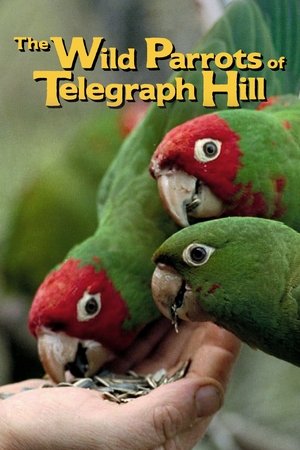
A homeless musician finds meaning in his life when he starts a friendship with dozens of parrots.
In their vehicle, Laurie, Kristy and Linda live alone on the American roads. Like thousands of modern American nomads who can no longer afford to pay for their housing. With no money to spare, these three sixty-year old women are fleeing, in their own way, a part of their history that has left a deep mark on them. Driving away, they try to regain some form of peace. But as the miles and seasons pass, despite their impressive temerity and resilience, their quest for a better future is challenged by unexpected events that hit a country in crisis. Will they nevertheless manage, at the end of the road, to find the serenity they are looking for, in order to become someone again?
In the picture-postcard community of North Vancouver, filmmaker Murray Siple follows men who have turned bottle-picking, their primary source of income, into the extreme sport of shopping cart racing. Enduring hardships from everyday life on the streets of Vancouver, this sub-culture depicts street life as much more than stereotypes portrayed in mainstream media. The films takes a deep look into the lives of the men who race carts, the adversity they face, and the appeal of cart racing despite the risk.
For five years, Stephen McCoy documented street life in Boston. This is what he captured.
Two unhoused men turned community leaders— John and LaMonté —organize their neighbors in the face of displacement, addiction, and a failing social system.
Through interviews with people on the street and songs recorded to memorialize JFK in the mid-1960s, the film explores the impact of the November 22, 1963 assassination on issues in today’s world, from lingering conspiracy theories to the proliferation of gun violence, homelessness, and the scourge of K-2.
Tell Them We Were Here is an inspirational feature-length documentary about eight artists who show us why art is vital to a healthy society and reminds us that we are stronger together.
Through the eyes of a young drifter who rejects society's rules and intentionally chooses to live on the streets, Chinese filmmaker Nanfu Wang explores the meaning of personal freedom – and its limits.
A journey among the forgotten: U.S. citizens experiencing homelessness, forced to live in extreme marginalization. Giving voice to these wounded souls is the unmistakable sound of Tom Waits.
22-year-old Kei refuses to conform to the Japanese achievement-oriented society. He is homeless by choice, living on the streets and under the bridges of Kyoto. His love for nature and music keeps him afloat in his dream world. However, when he runs out of money, he is forced to face reality.