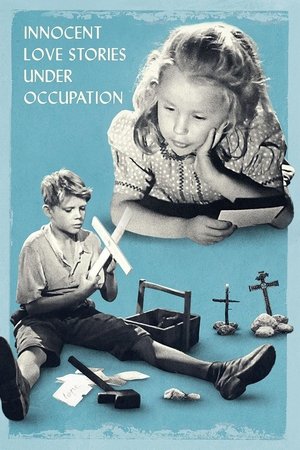
Interview-based documentary looking back on the making and reception of René Clément's 1952 film "Forbidden Games."
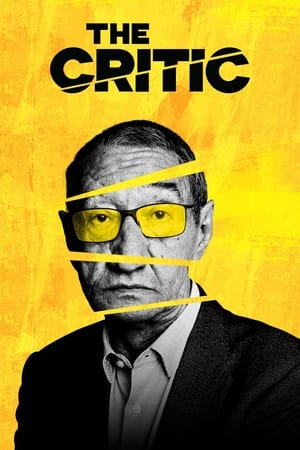
This documentary film is a portrait of a film critic as seen by a filmmaker. While contemporary cinema manipulates reality by hiding itself, this experiment manifests the opposite in an explicit and evident way. The film critic has been asked to travel to the city of Bergamo to participate in a 70-minute film experiment: savoring 2 kg of oysters and drinking 2 bottles of wine, while simultaneously answering 15 general knowledge questions and 15 solicitations of a private and personal nature. The outcome is a ruinous game in which the meaning of filming and the fragility of a human being merge into a melancholic testament.
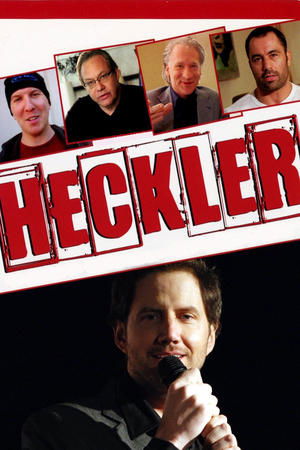
HECKLER is a comedic feature documentary exploring the increasingly critical world we live in. After starring in a film that was critically bashed, Jamie Kennedy takes on hecklers and critics and ask some interesting questions of people such as George Lucas, Bill Maher, Mike Ditka, Rob Zombie, Howie Mandel and many more. This fast moving, hilarious documentary pulls no punches as you see an uncensored look at just how nasty and mean the fight is between those in the spotlight and those in the dark.
This 17-minute documentary is featured on the 3-Disc Criterion Collection DVD of The Battle of Algiers (1966), released in 2004. An in-depth look at the Battle of Algiers through the eyes of five established and accomplished filmmakers; Spike Lee, Steven Soderbergh, Oliver Stone, Julian Schnabel and Mira Nair. They discuss how the shots, cinematography, set design, sound and editing directly influenced their own work and how the film's sequences look incredibly realistic, despite the claim that everything in the film was staged .
A retrospective of the work of the late actor Warren Oates, with clips from his films and interviews with cast and crew members who worked with him.
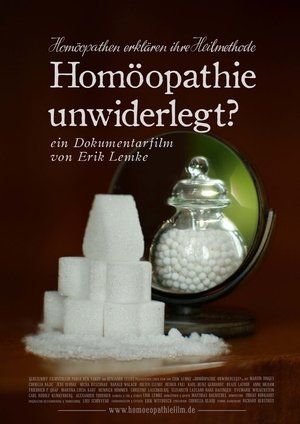
Despite the homeopathic doctors studying medicine, they treat their patients against the basis of scientific knowledge. Allegations of fraud surround the topic. In the film, homeopaths embark on adventurous explanations of their popular belief system.
Documentary about the Swedish humorist, film maker and artist Yngve Gamlin
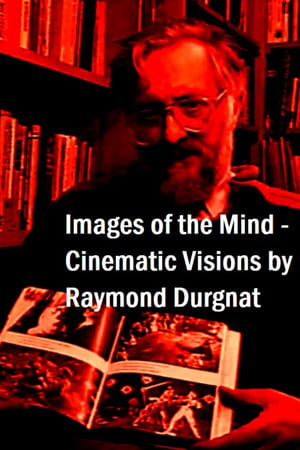
An introduction to the great film critic Raymond Durgnat's appreciation of the nature of cinema.
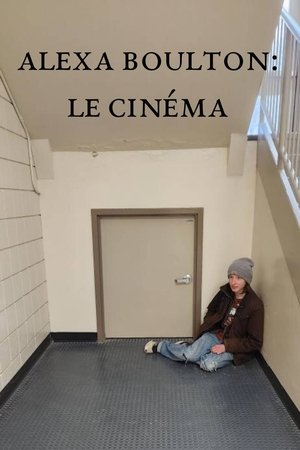
Alexa Boulton interviews the students and teachers of Kelvin High School to uncover the possibilities for the future of cinema
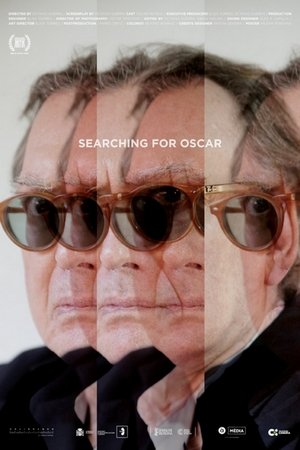
Óscar Peyrou is a veteran Spanish film critic who writes his reviews according to a very peculiar method: in his opinion, it is not really necessary to watch the films since it is possible to judge them simply by looking at their promotional poster.
A behind-the-scenes documentary on the making of "Dr. Terrible's House of Horrible" featuring Steve Coogan.
Video essay exploring Luca Guadagnino's filmmaking methods, focusing on the passionate dynamics of desire and ardent longing for connection that sizzles across his cinema.
Seven Asian-Americans discuss their experiences with racism and the spike in Asian-directed hate crimes as a result of COVID-19.
Retrospective documentary taking a look back at the making of House, the 1985 horror film that became a nice little hit when it was originally released. Featuring interviews with producer Sean S. Cunningham, director Steve Miner, story creator Fred Dekker, cast members William Katt, George Wendt and Kay Lenz, composer Harry Manfredini, stunt coordinator Kane Hodder and various members of the special effects crew.
Those TV documentaries you see, and the science experts they feature? Did you know that producers often edit them out of context, and twist their words, to make it seem like they promoted some pop sensationalism instead of the real facts? Science Friction exposes these faux documentaries by name, and gives the scientists a chance to clear the record.
Umberto Eco, the author of best-selling novels who passed away in February 2016, unveils the secrets behind his undertakings and novels.
La rosa dei nomi
Agatha Christie contre Hercule Poirot : Qui a tué Roger Ackroyd ?
A look back at the making of the entire Blackadder series to commemorate its 40th anniversary, featuring contributions from Blackadder's biggest fans including Jack Whitehall, Darren Harriott, Sarah Hadland, Ardal O'Hanlon and Nina Wadia.
Born in Berlin in 1896, Lotte Eisner became famous for her passionate involvement in the world of both German and French cinema. In 1936, together with Henri Langlois, she founded the Cinémathèque Française with the goal of saving from destruction films, costumes, sets, posters, and other treasures of the 7th Art. A Jew exiled in Paris, she became a pillar of the capital's cultural scene, where she promoted German cinema.