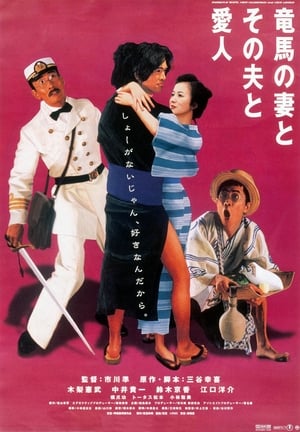
Film about Sakamoto Ryōma. The focus is on Oryo, the maid who became Ryoma’s wife and lived with him for one year before his death.
A single bullet cuts through Kyoto in the last days of the Tokugawa shogunate right before the restoration of imperial rule. Who plotted to assassinate Tokugawa Yoshinobu, who is about to become the last shogun of Japan? Was it the faction wanting to overthrow him or the rebels within the shogunate? Mutual enemies Sakamoto Ryoma, the wandering samurai, and Hijikata Toshizo, a deputy leader of the Shinsengumi and vassal of the Tokugawa clan, receive a secret order to track down the culprit. They are given a mere two days.
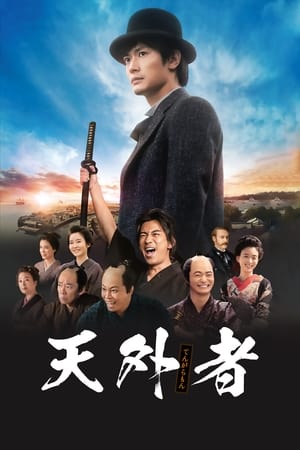
A biographical story of Tomoatsu Godai, the influential entrepreneur of the Meiji era who laid the foundation of the modern Japanese economy.
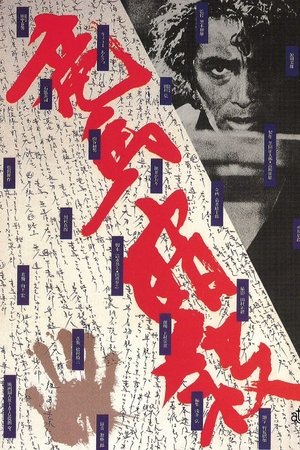
Story of the last three days in the life of Sakamoto Ryoma (1836-1867), the imperial loyalist who tried to unite the Choshu and Satsuma clans and prepared the way for the Meiji Restoration (1868).
Ryôma Sakamoto unites the Choshu and Satsuma clans and paves the way for the Meiji Restoration.
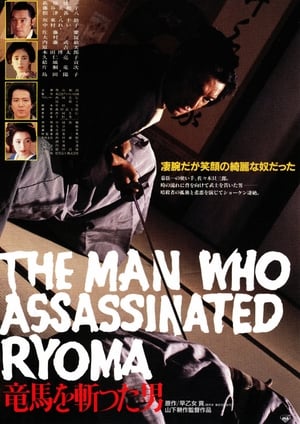
The Man Who Assassinated Ryoma is a movie about a haunted blood-thirsty Bakufu officer who might have killed Ryoma Sakamoto.
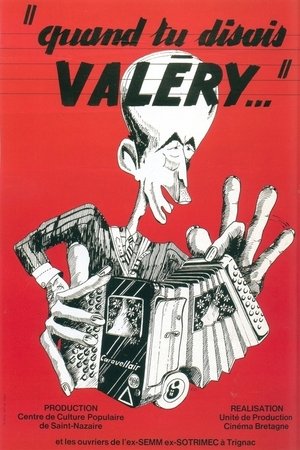
Divided into five parts, this film traces the long strike by workers at the Caravelair caravan factory in Trigniac, near Saint-Nazaire, led by the C.G.T. and C.F.D.T. unions. Shot in 1975, the film achieved the strange feat of being produced entirely by workers' producers - 15,000 of them paid in advance for their tickets - and of being amortized, and even made profitable, by being shown outside the commercial circuit alone.
A silent excavation of everyday objects gradually reveals the site as Auschwitz-Birkenau, turning archaeological work into a stark meditation on memory and loss.
The film consists primarily of degraded footage of landscapes shot from vehicles moving across the country; meanwhile, 537 computer-generated permutations of the film’s title appear like subtitles—the letters are scrambled over and over again, undermining the meaning of Pierre Trudeau's infamous motto.
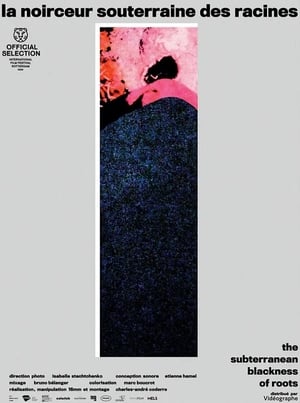
Shot in Quebec, Canada, The Subterranean Blackness of Roots is a 16mm film triptych which uses several processes specific to analog cinema (hand processing, optical printing, photochemical alteration). The film seeks to show the sensory experience of the invisible life of stones, plants and the nature that surrounds us. It’s a dive into the heart of matter, the essence of the vegetal world and the nourishing earth.
Flucht vor Hitler - Die Wiener in China
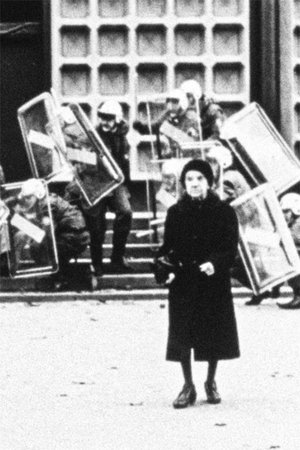
This experimental film is constructed from still photos of the violent protests in response to then-US President Ronald Reagan’s visit to (West) Berlin in 1982 and illustrations by the French artist Gustave Doré.
A female voice narrates, as if it were an educational film or a report, the social changes that have taken place as a result of the digital imposition on all aspects of life: a new achievement of the “American Dream”.
In just 15 years, Stromae rose to global fame with deeply personal songs and record-breaking success. Yet, behind the spotlight, he struggled with the weight of it all. This documentary explores his meteoric rise, inner battles, and the mystery behind his sudden retreat from the stage.
A benefit concert for LA Fire Relief, streaming live from The Hollywood Palladium.
A basketball team born out of an egg, in a hockey-crazed city, playing in a baseball stadium, fights for survival and ultimately conquers a nation and the league. This documentary offers an in-depth look at how a fledgling franchise transformed into a cultural phenomenon, uniting communities and reshaping Canada's identity.
Louis XI, un règne de terreur !
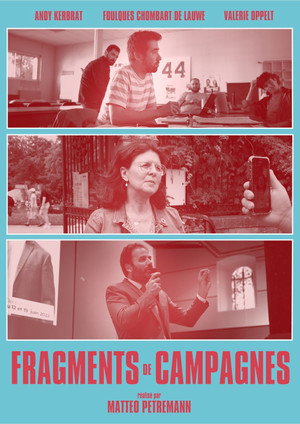
Fragments de Campagne
A 55-minute film by director Xavier Giannoli that analyses 'À nos amours'. The film features former Cahiers du cinéma editorial director Jean-Michel Frodon, actors Jacques Fieschi and Sandrine Bonnaire, and other members of the cast
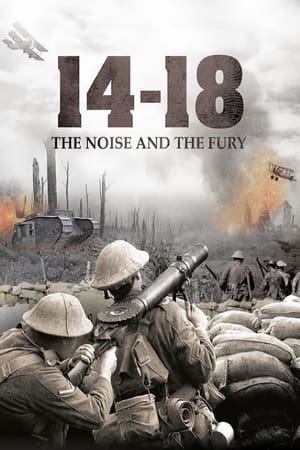
Not everything has been told about World War One. This documentary tries to explain how tens of millions of men could have suffered the unbelievable toughness of life in trenches during the 4 year ordeal. How could they have accepted the idea of a sure death or injury while not being able to tell why they were fighting.