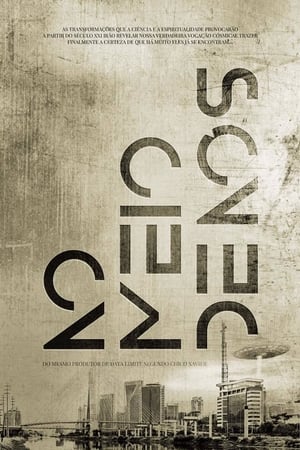
No Meio de Nós
Three tales of love, ambition, and neurosis unfold in the city that never sleeps. In "Life Lessons" (Martin Scorsese), a tormented painter channels heartbreak into his art. In "Life Without Zoë" (Francis Ford Coppola), a precocious 12-year-old navigates privilege and loneliness in a Manhattan hotel. And in "Oedipus Wrecks" (Woody Allen), a man’s domineering mother literally becomes a looming presence over New York.
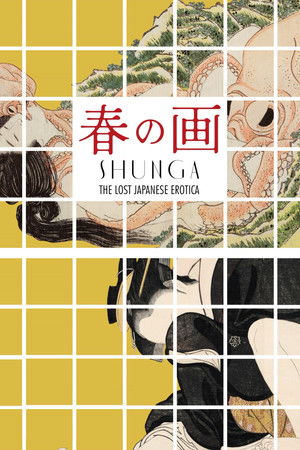
In the foundation of the culture of Japanese MANGA and animation, there lies the humor filled art form, shunga. Shunga is a type of Japanese art by famous ukiyo-e artists of the Edo Period, such as Utamaro, Hokusai, and Kiyonaga, but the artform’s development was thwarted by social norms that tabooed sex. The film Introduces the world of shunga through enthusiasts - collectors, curators, and scholars, including Andrew Gerstle who inspired The British Museum’s historical shunga exhibition in 2013 and Michael Fornitz who owns an auction house in Denmark. Exploring the significance of shunga by analyzing it from historical, cultural, artistic and contemporary female points of view.
Pyhä
Poet, rapper, playwright and recording artist Kae Tempest is one of the most viscerally exciting artists working in Britain today. They are the youngest ever recipient of the prestigious Ted Hughes prize and have been nominated for both the Brit and Mercury music awards. Tempest has always found support and respect within the queer art scenes, a place close to their heart. In July 2020, they came out as non-binary, announcing that they would publish and perform under the name Kae. This film delves deep into their creative process and gains rare, intimate insights into Kae’s life throughout a period of profound personal and artistic change.
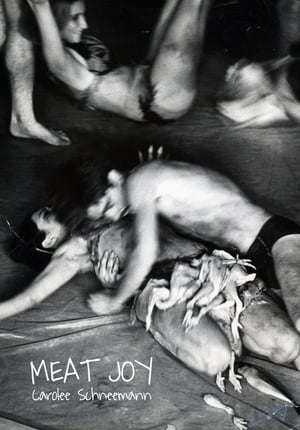
"Meat Joy is an erotic rite — excessive, indulgent, a celebration of flesh as material: raw fish, chicken, sausages, wet paint, transparent plastic, ropes, brushes, paper scrap. Its propulsion is towards the ecstatic — shifting and turning among tenderness, wildness, precision, abandon; qualities that could at any moment be sensual, comic, joyous, repellent. Physical equivalences are enacted as a psychic imagistic stream, in which the layered elements mesh and gain intensity by the energy complement of the audience. The original performances became notorious and introduced a vision of the 'sacred erotic.' This video was converted from original film footage of three 1964 performances of Meat Joy at its first staged performance at the Festival de la Libre Expression, Paris, Dennison Hall, London, and Judson Church, New York City."
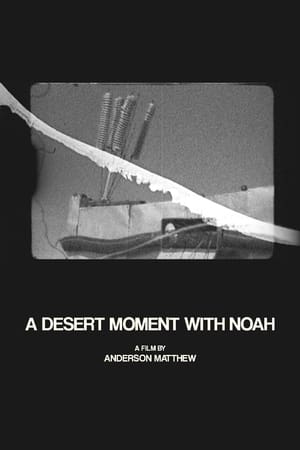
Paying tribute to artist Noah Purifoy and his Outdoor Museum, Matthew’s film ‘A Desert Moment with Noah’ rapidly animates 78 still Super 8mm images like a slideshow gone haywire. Exploring the of elasticity of time, the film manipulates the essence of a moment as it periodically pauses to allow the viewer a space with various objects, surfaces, and textures within Purifoy’s Joshua Tree sculptural environment.
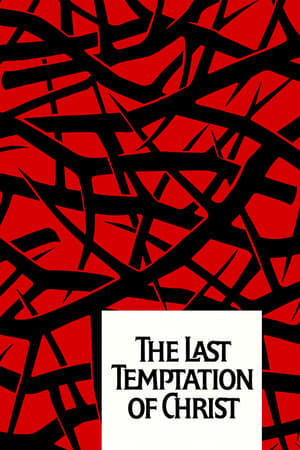
Jesus, a humble Judean carpenter beginning to see that he is the son of God, is drawn into revolutionary action against the Roman occupiers by Judas -- despite his protestations that love, not violence, is the path to salvation. The burden of being the savior of mankind torments Jesus throughout his life, leading him to doubt.
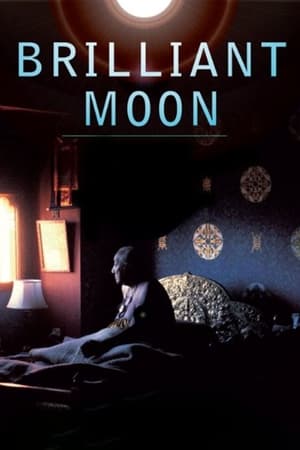
Brilliant Moon chronicles the life of the writer, poet, and meditation master Khyentse Rinpoche, one of Tibet's most revered 20th-century Buddhist teachers. Spiritual guide to His Holiness the Dalai Lama and the Royal Family of Bhutan, his life and teachings were an inspiration to all who encountered him. Richard Gere and Lou Reed provide the narration for his dangerous journey out of China, the subsequent spread of his influence and the search for his reincarnation after his death.
Emerson Hayes is a 60-year-old sculptor who lives in a caravan and works from an old shed in the back corner of her daughter’s coastal egg farm. When she is informed that her most acclaimed and last remaining work on public display is being replaced, she seeks a new home for it with family friend Lena, who curates a prestigious contemporary gallery. Lena, however, demands that Em present a fresh new work if she is to be considered for exhibition. As Em struggles to break out of her artistic rut, she is forced to reckon not only with her place in the art world, but with her entire identity.
In this film, Laerte conjugates the body in the feminine, and scrutinizes concepts and prejudices. Not in search of an identity, but in search of un-identities. Laerte creates and sends creatures to face reality in the fictional world of comic strips as a vanguard of the self. And, on the streets, the one who becomes the fiction of a real character. Laerte, of all the bodies, and of none, complicates all binaries. In following Laerte, this documentary chooses to clothe the nudity beyond the skin we inhabit.
This documentary film follows a Catholic Indian priest who tries to bring about Catholicism in non-religious Sweden.
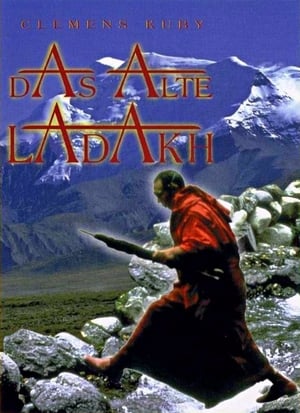
The Laddakhis, high up in the Western Himalayas, have a strong connection to the psychic energies of the gods and demons through their belief in Tantric Buddhism. People in the valley say of the Geshe (a methaphysical professor) that he can fly if he wants to. But using magic is immoral for the Buddhist. Nevertheless, a young man seduces the woman of his desire with magical powers. In a breathtaking landscape under a crystal-clear blue sky, a life unfolds in harmony with the universe, carried by an ancient consciousness.
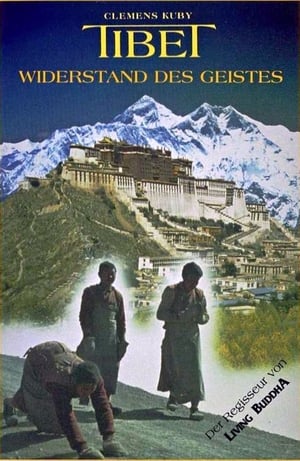
Tibet: The Survival of the Spirit
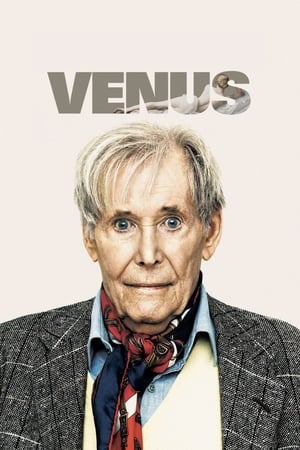
Maurice is an aging veteran actor who becomes taken with Jessie, the grandniece of his closest friend. When Maurice tries to soften the petulant and provincial young girl with the benefit of his wisdom and London culture, their give-and-take surprises both Maurice and Jessie as they discover what they don't know about themselves.
This documentary features a kinetic artist who creates vibrant mixed media works that push the boundary between 2D and 3D.
When the artist loses inspiration, she turns towards the overlooked things that tend to fuel us the most
The artist J.M.W. Turner is widely recognised as England’s greatest painter. Tate has the world’s finest and most extensive collection of his work. Turner at Tate explores Turner’s art through many of his best-known canvases and exquisite sketches and watercolours, all newly and exceptionally filmed in HDTV from the original artworks. Incorporating the landscapes and places that inspired the works, the film provides an overview of Turner’s life and - in an accessible and engrossing way - of critical approaches to his art. The film’s focus is Turner and England, and his work is considered against the radical social and political changes of the early nineteenth century. Turner at Tate is a film about ideas and history and landscape, a film about colour and light. Contributors include Tate curators Ian Warrell and David Blayney Brown, and art historians Sam Smiles and Barry Venning. Also featured on the DVD are ten additional short films, each of which considers in detail a major work.
Beren is a young girl preparing for her university entrance exams. After returning from a camp she attended, Beren suddenly falls ill. At this time, her father Salih is abroad for work, and her stepmother Nurdan, who loves her like her own daughter, calls her brother Doğu to stay with them, thinking it will be good for her. However, shortly after Doğu and his wife Nergis arrive, events unfold that will deeply affect everyone's lives. Because Beren has become physically and psychologically ill due to a spell cast on her.
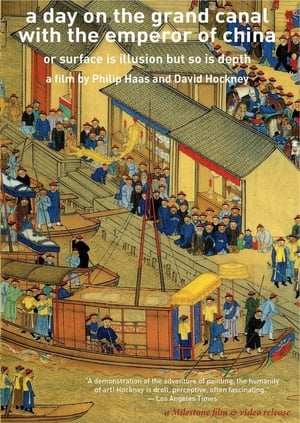
Director Philip Haas and artist David Hockney invite you to join them on a magical journey through China via a marvelous 72-foot long 17th-century Chinese scroll entitled The Kangxi Emperor's Southern Inspection Tour (1691-1698), scroll seven . As Hockney unrolls the beautiful and minutely detailed work of art, he traces the Emperor Kangxi’s second tour of his southern empire in 1689.