Exploring the Anthropocene era characterized by human impact on the planet, this is an enlightening VR film that examines an emerging superpower undergoing mass urbanization, industrial development, and topographical changes.
Documentary short film depicting the filmmaking activity at the Paramount Studios in Hollywood, featuring dozens of stars captured candidly and at work.
Taken in 1896 on the Boulevard (upper Broadway) on the occasion of a bicycle parade in the heyday of the wheeling craze. Old-fashioned horse cars lend interest to the scene.
Documentary without audio produced by deaf people. Music is depicted visually with the complete absence of musical instruments or voices. Directed by Makihara Eri and choreographer Dakei. With a diverse lineup including ordinary deaf people with zero acting experience and a choreographer who performs in Japan and abroad, this film pulls out all the tops to give visual expression to music through the physical body. An aging man uses multiple sign language poems to convey the four seasons, and a girl expresses the wind amidst the rustling trees.
Six years after the Berlin Wall fell and five years after German unification this documentary looks into the fast changes in architecture and street life of Berlin Mitte and stays in tune with a piano piece of Ludwig van Beethoven.
Peter Hutton's New York trilogy. An act of urban archaeology, a chronicle of indelible impressions of the city.
Nearly a century ago, two filmmakers traveled to Germany to shoot an homage to the 1922 film, Nosferatu, and visit the graves of those who made the silent horror masterpiece. In doing so, they unleashed a dark shadow from cinema's past.
Documentary that details the daily habits of beavers and their interaction with the ecosystem at large. Filmed mostly in Digby County, Nova Scotia.
Mudos testigos is a cinematographic collage made from all the surviving material of Colombian silent films, re-editing the images in such a way as to create a single imaginary film: the impossible love story of Efraín and Alicia that traces the convulsive first half of the twentieth century in Colombia. Compiled by the late Luis Ospina and finished posthumously by Jeronimo Atehortúa.
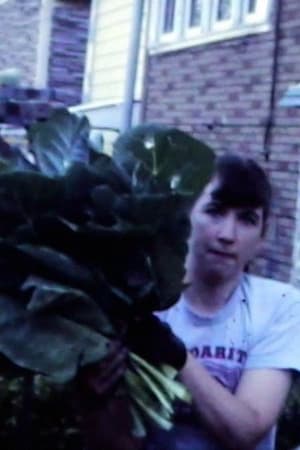
JoAnn Elam plants collards.
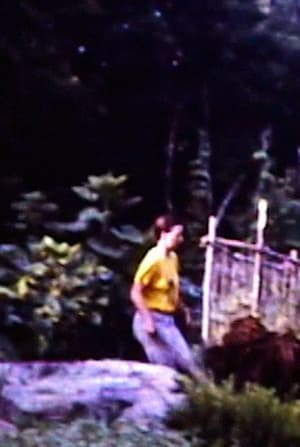
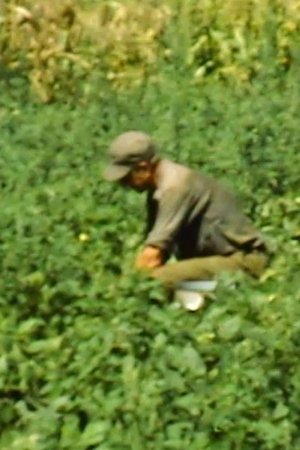
Farm work and nature.
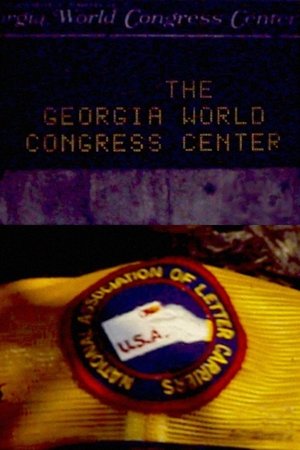
Filmed during the 52nd National Convention of the American National Association of Letter Carriers in August 1980.
Elam films her close friend, Chuck Kleinhans.
This footage is almost entirely black, save for a few shots possibly showing electric poles outside.
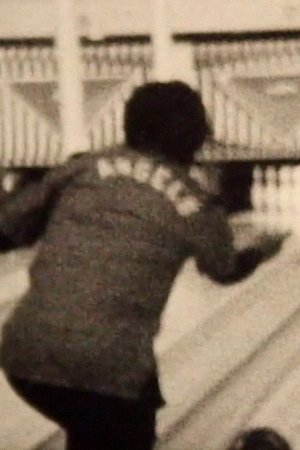
USPS workers go bowling.
Chicago streets.
“Tai Chi II,” similarly to Elam’s “Tai Chi Bowling” and “Tai Chi,” focuses on movement. Through a sequence of close-ups, Elam coyly records portions of several individuals practicing tai chi, primarily focusing on the practitioners’ extremities as they float about. Distinct from its affiliates, “Tai Chi II” finds the action taking place outside.
Consists of frantic and (mostly) uninformative pans sprinting across Elam's lawn.
Elam's husband prepares vegetables at the sink.
Two pumpkins.