Documentary short film depicting the filmmaking activity at the Paramount Studios in Hollywood, featuring dozens of stars captured candidly and at work.
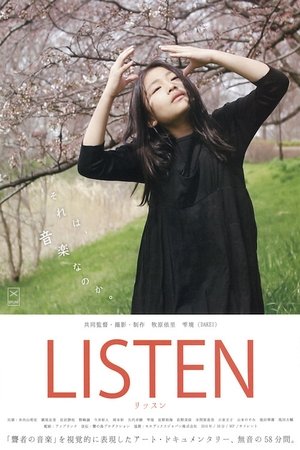
Documentary without audio produced by deaf people. Music is depicted visually with the complete absence of musical instruments or voices. Directed by Makihara Eri and choreographer Dakei. With a diverse lineup including ordinary deaf people with zero acting experience and a choreographer who performs in Japan and abroad, this film pulls out all the tops to give visual expression to music through the physical body. An aging man uses multiple sign language poems to convey the four seasons, and a girl expresses the wind amidst the rustling trees.
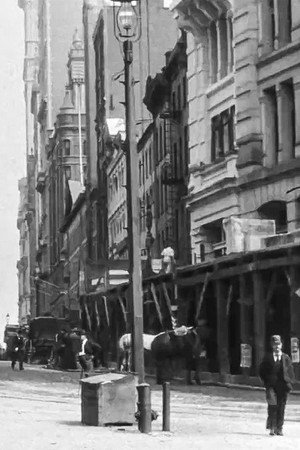
Taken in 1896 on the Boulevard (upper Broadway) on the occasion of a bicycle parade in the heyday of the wheeling craze. Old-fashioned horse cars lend interest to the scene.
Elam turns in place while filming nature.
An outdoor gathering.
Two women gardening on a sunny day.
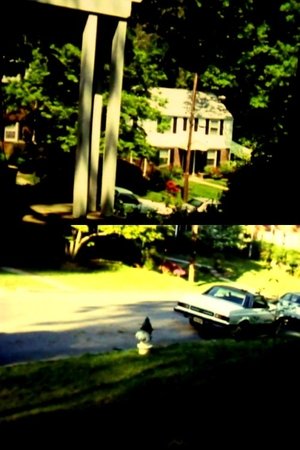
At home, outdoors. Street shots.
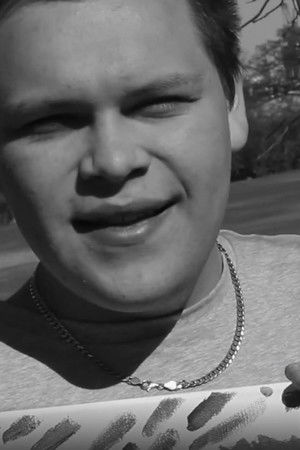
Watch as Aiden Aleman creates his newest art piece “TRUTH” in the middle of Zilker Park.
USPS workers go bowling.
Chicago streets.
Contrasting environments, in and outside.
Elam records several men moving boxes and furniture as they track across her backyard.
“Tai Chi II,” similarly to Elam’s “Tai Chi Bowling” and “Tai Chi,” focuses on movement. Through a sequence of close-ups, Elam coyly records portions of several individuals practicing tai chi, primarily focusing on the practitioners’ extremities as they float about. Distinct from its affiliates, “Tai Chi II” finds the action taking place outside.
Consists of frantic and (mostly) uninformative pans sprinting across Elam's lawn.
Elam's husband prepares vegetables at the sink.
Two pumpkins.
Cleaning supplies and flames.
Abstract short.
Digging in the woods.
A covered bridge and the nature surrounding it.