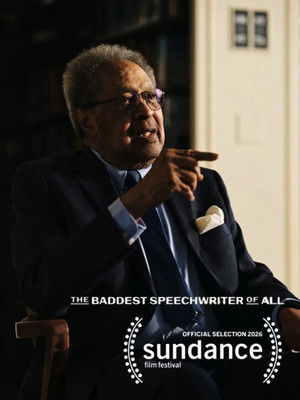
A rural Iowa schoolteacher becomes a national voice against racism after leading a controversial 1968 lesson in discrimination with her all-white third-grade class. Now nearly 90, she refuses to hold back amid today’s fights about race, history, and power after a lifetime of speaking out.
See how New Deal-era Redlining maps delineated risk areas for federally-backed mortgages and home-ownership programs, resulting in a wealth gap that continues to impact communities and Black families today.
Before George Floyd, before Breonna Taylor, before America knew about Black Lives Matter, there was Michael Brown, Jr. On August 9th, 2014, in Ferguson, Missouri, a white police officer fatally shot an unarmed Brown. The community reacted in protest, anger, frustration, and fear. Six years later, a new story emerges - one filled with hope, love, and beauty.
Steal This Film focuses on Pirate Bay founders Gottfrid Svartholm, Fredrik Neij and Peter Sunde, prominent members of the Swedish filesharing community. The makers claimed that 'Old Media' documentary crews couldn't understand the internet culture that filesharers took part in, and that they saw peer-to-peer organization as a threat to their livelihoods. Because of that, they were determined to accurately represent the filesharing community from within. Notably, Steal This Film was released and distributed, free of charge, through the same filesharing networks that the film documents.
French documentary campaigning for the liberalization of abortion and contraception, directed by Charles Belmont and Marielle Issartel in 1973.
The decades-long debate surrounding reparations is fraught, mired in racial tension and the semantics of restorative justice. While the national conversation remains stalled due to legislative inaction, communities across the country examine their histories and take it upon themselves to arrange their own form of reparations. This detailed investigation of restitution presents accounts of everyday people confronting the past and exploring the possibilities of wealth transfer.
In World War II. African-American GIs liberate Germany from Nazi rule while racism prevailed in their own army and home country. Returning home they continue fighting for their own rights in the civil rights movement.
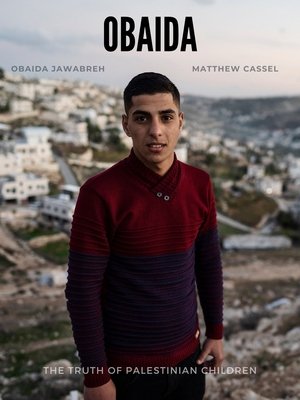
OBAIDA, a short film by Matthew Cassel, explores a Palestinian child’s experience of Israeli military arrest. Each year, some 700 Palestinian children undergo military detention in a system where ill-treatment is widespread and institutionalized. For these young detainees, few rights are guaranteed, even on paper. After release, the experience of detention continues to shape and mark former child prisoners’ path forward.
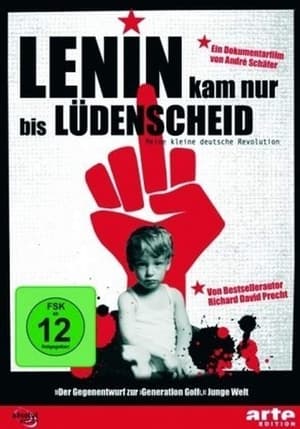
The free, almost naive view from the perspective of a child puts the "68ers" in a new, illuminating light in the anniversary year 2008. The film is a provocative reckoning with the ideological upbringing that seemed so progressive and yet was suffocated by the children's desire to finally grow up. With an ironic eye and a feuilletonistic style, author Richard David Precht and Cologne documentary film director André Schäfer trace a childhood in the West German provinces - and place the major events of those years in completely different, smaller and very private contexts.
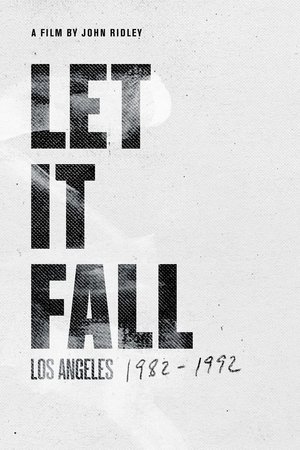
An in-depth look at the culture of Los Angeles in the ten years leading up to the 1992 uprising that erupted after the verdict of police officers cleared of beating Rodney King.
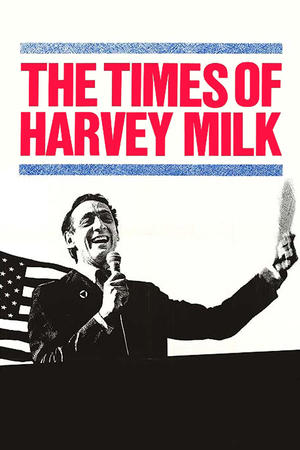
Harvey Milk was an outspoken human rights activist and one of the first openly gay U.S. politicians elected to public office; even after his assassination in 1978, he continues to inspire disenfranchised people around the world.
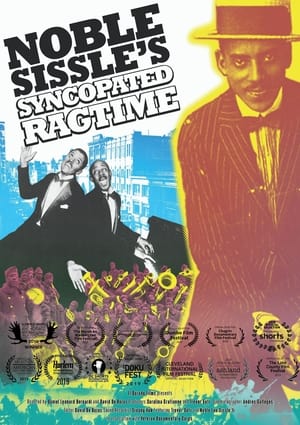
Combining footage unseen since WWI with original scores from the era, this film tells the story of Noble Sissle's incredible journey that spans "The Harlem Hellfighters" of World War I, Broadway Theatre, the Civil Rights movement, and decades of Black cultural development.
Follows the young people of Selma, Alabama's RATCo (Random Acts of Theatre Company) as they journey to New York City to share their story of hope, resilience, and overcoming.
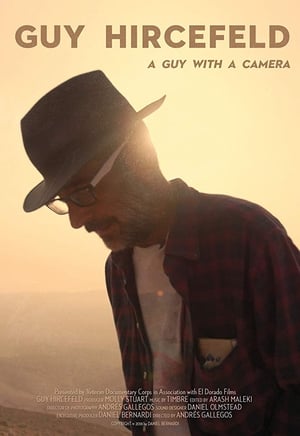
Guy Hircefeld, a veteran who served in the Israeli military at the start of its occupation of Palestine in the 1980s, now fights against the Israeli occupation. His only weapon is a camera.
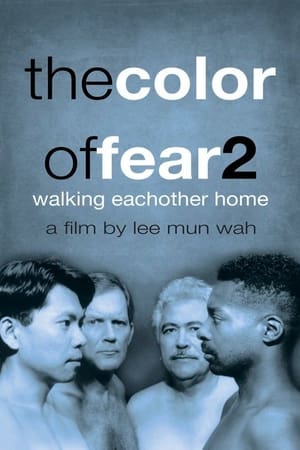
In THE COLOR OF FEAR, eight American men participated in emotionally charged discussions of racism. In this sequel, we hear and see more from those discussions, in which the men talk about about how racism has affected their lives in the United States. We also learn more about the relationships between them, and about their reactions during some of the most intense moments of that discussion.
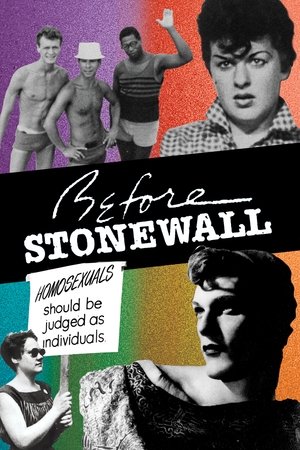
New York City's Stonewall Inn is regarded by many as the site of gay and lesbian liberation since it was at this bar that drag queens fought back against police June 27-28, 1969. This documentary uses extensive archival film, movie clips and personal recollections to construct an audiovisual history of the gay community before the Stonewall riots.
With no choice, César faced leaving his family behind, quitting his job and joining the Army. In an unprecedented chain of events he became the first conscientious objector in Galicia (Spain) to be put in prison. Now, nearly thirty years later, Two Years, Four Months, A Day takes a look at what made him do it.
"Africa Light" - as white local citizens call Namibia. The name suggests romance, the beauty of nature and promises a life without any problems in a country where the difference between rich and poor could hardly be greater. Namibia does not give that impression of it. If you look at its surface it seems like Africa in its most innocent and civilized form. It is a country that is so inviting to dream by its spectacular landscape, stunning scenery and fascinating wildlife. It has a very strong tourism structure and the government gets a lot of money with its magical attraction. But despite its grandiose splendor it is an endless gray zone as well. It oscillates between tradition and modernity, between the cattle in the country and the slums in the city. It shuttles from colonial times, land property reform to minimum wage for everyone. It fluctuates between socialism and cold calculated market economy.
Information Violence
The film is a controversy on democracy. Is our society really democratic? Can everyone be part of it? Or is the act of being part in democracy dependent to the access on technology, progression or any resources of information, as philosophers like Paul Virilio or Jean Baudrillard already claimed?