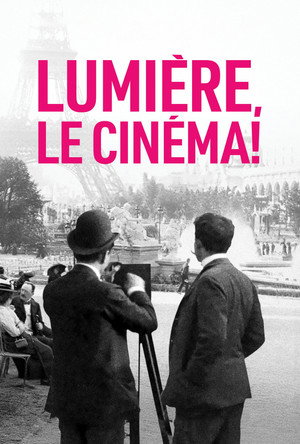
In one of those wonderful coincidences of history, lumière, the French word for “light,” was also the last name of brothers Auguste and Louis, whose brilliant invention, the cinematograph, helped to inaugurate the most beloved art form of the last 130 years. Institute Lumière director Thierry Frémaux uses Lumière, Le Cinema! to guide the viewer through over a hundred shorts—some famous, some forgotten, some never before seen—directed by Lumière and company. In the process, Frémaux illuminates how the brothers employed the camera as a creative instrument as they (and their operators) mastered framing, staging, and subject selection for quotidian and exotic microdocumentaries as well as the first ever fictional motion pictures. The result is not only a glorious re(telling) of the genesis of cinema but a profound meditation on the beautiful world captured—and the mysterious world imagined—by the Lumières.
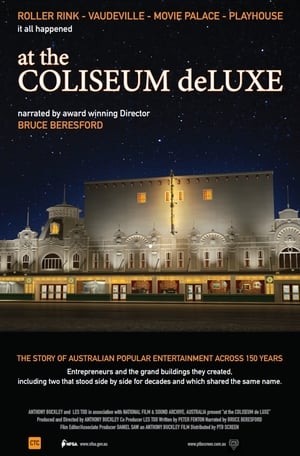
A feature length documentary about Australian popular entertainment across 150 years; of Skating and Dancing, Vaudeville and Moving Pictures.
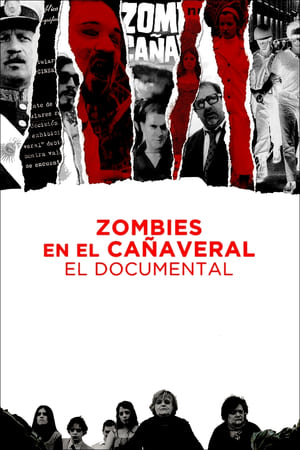
Tucumán, Argentina, 1965. Three years before George A. Romero's Night of the Living Dead was released, director Ofelio Linares Montt shot Zombies in the Sugar Cane Field, which turned out to be both a horror film and a political statement. It was a success in the US, but could not be shown in Argentina due to Juan Carlos Onganía's dictatorship, and was eventually lost. Writer and researcher Luciano Saracino embarks on the search for the origins of this cursed work.
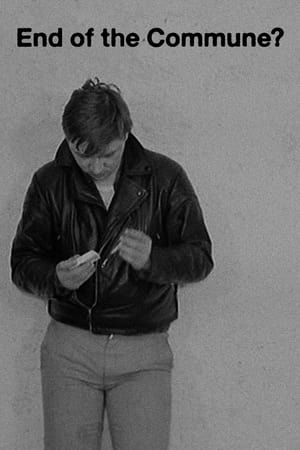
A documentary about Fassbinder and the early years of the legendary Antiteater, the group he was a member/leader of. You can here see and hear some of the actors he was going to use in his movies for the next years. The movie shows rehearsals for his play "The Coffeehouse," which also became a television movie, and you can watch unique footage from the 19th Film Festival in Berlin (1969) where "Love is Colder Than Death" was shown. As told in this documentary, his first feature movie was given a cold shoulder by many of the journalists and visitors at the festival. You can in "End of the Commune" watch Fassbinder and actor Ulli Lommel walk out on stage after the opening of "Love is Colder Than Death,” while a man in the audience is shouting "Out with the director!” In this documentary, Fassbinder also talks a lot about his father, who was a respectable doctor.
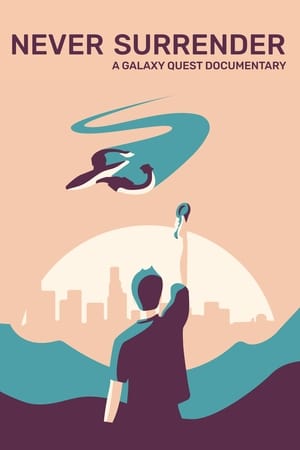
A feature-length documentary about the film Galaxy Quest and its legacy, celebrating its milestone 20th anniversary.
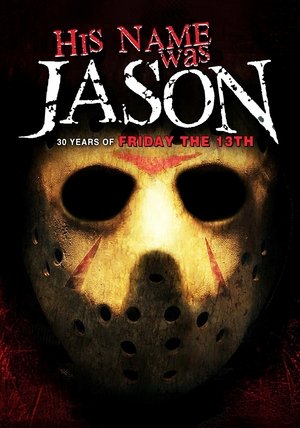
A retrospective documentary about the groundbreaking horror series, Friday the 13th, featuring interviews with cast and crew from the twelve films spanning 3 decades.
The order comes in the summer of 1941 from Propaganda Minister Joseph Goebbels himself: The best animators are summoned to Berlin. Their task: Producing feature-length cartoons in ‘Disney quality’ with the newly founded ‘Deutsche Zeichenfilm GmbH’. To get trained, the Disney movie “Snow White” is retraced frame by frame. After the final victory, one new feature-length production of quality shall be released every year from 1947 onwards – that is the plan. Only in 1943, the first production is completed: “Armer Hansi”, a 17-minute-long colour movie, realized with the effortful multiplane technology. The second film by the ‘Deutsche Zeichenfilm’ is only completed in 1946 – by DEFA. In the territories occupied by Germany, cartoons are produced as well, sometimes harmless ones, sometimes propagandistic ones. With excerpts from animated movies, live action film documents, and witness reports by contemporaries, this documentary draws a picture of the cartoon production in the Third Reich.
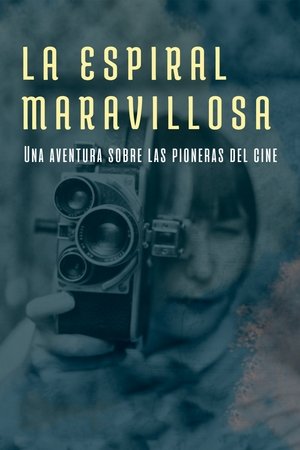
Spain, early 20th century. As a child, Leocadia Cantalapiedra was dazzled by a new art: cinema; but she lives in a society where directing films is something only men can do.
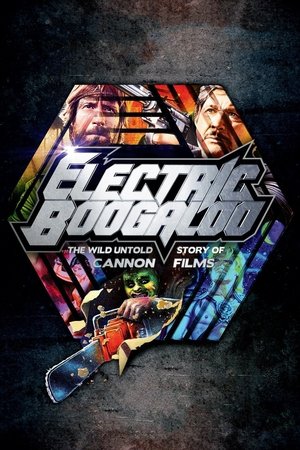
A documentary about the rise and fall of the Cannon Film Group, the legendary independent film company helmed by Israeli cousins Menahem Golan and Yoram Globus.
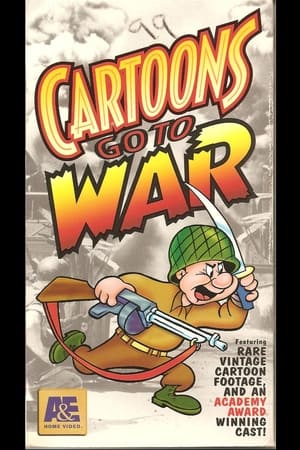
This remarkable documentary dedicates itself to an extraordinary chapter of the second World War – the psychological warfare of the USA. America’s trusted cartoon darlings from the studios of Warner Bros., Paramount, and the “big animals” of the Disney family were supposed to give courage to the people at the homefront, to educate them, but also to simultaneously entertain them. Out of this mixture grew a genre of its own kind – political cartoons. Insightful Interviews with the animators and producers from back then elucidate in an amusing and astonishing way under which bizarre circumstances these films partially came into existence.
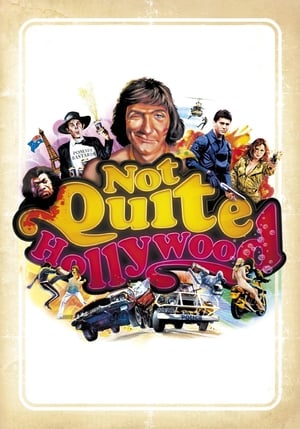
As Australian cinema broke through to international audiences in the 1970s through respected art house films like Peter Weir's "Picnic At Hanging Rock," a new underground of low-budget exploitation filmmakers were turning out considerably less highbrow fare. Documentary filmmaker Mark Hartley explores this unbridled era of sex and violence, complete with clips from some of the scene's most outrageous flicks and interviews with the renegade filmmakers themselves.
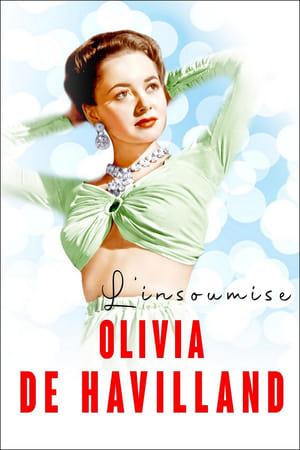
The legendary British-American actress Olivia de Havilland (1916-2020), who conquered Hollywood in the thirties, challenged the film industry when, in 1943, she took on the all-powerful producer Jack Warner in court, forever changing the ruthless working conditions that restricted the essential rights and freedom of artists.
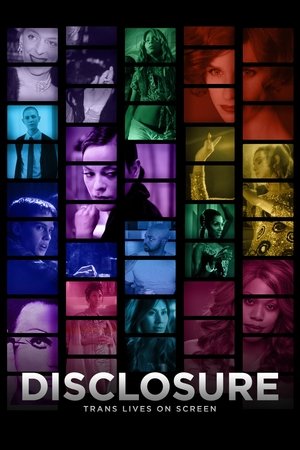
An investigation of how Hollywood's fabled stories have deeply influenced how Americans feel about transgender people, and how transgender people have been taught to feel about themselves.
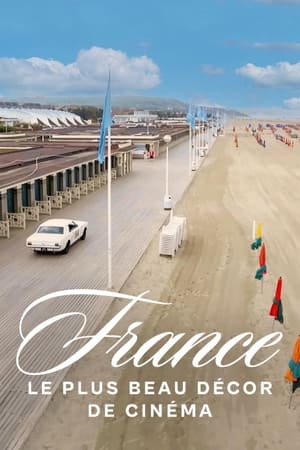
France, le plus beau décor de cinéma
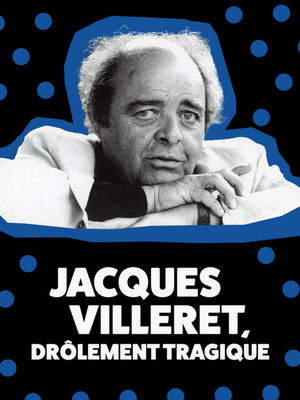
Jacques Villeret, drôlement tragique
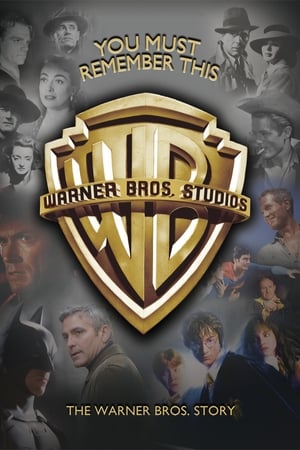
Jack L. Warner, Harry Warner, Albert Warner and Sam Warner were siblings who were born in Poland and emigrated to Canada near the turn of the century. In 1903, the brothers entered the budding motion picture business. In time, the Warner Brothers moved into film production and would open their own studio in 1923.
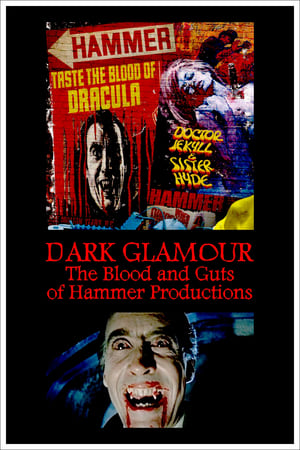
The greatness, fall and renaissance of Hammer, the flagship company of British popular cinema, mainly from 1955 to 1968. Tortured women and sadistic monsters populated oppressive scenarios in provocative productions that shocked censorship and disgusted critics but fascinated the public. Movies in which horror was shown in offensive colors: dreadful stories, told without prejudices, that offered fear, blood, sex and stunning performances.
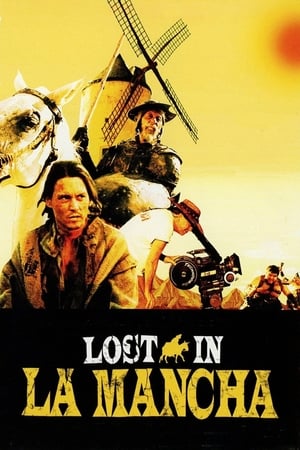
Fulton and Pepe's 2000 documentary captures Terry Gilliam's attempt to get The Man Who Killed Don Quixote off the ground. Back injuries, freakish storms, and more zoom in to sabotage the project.
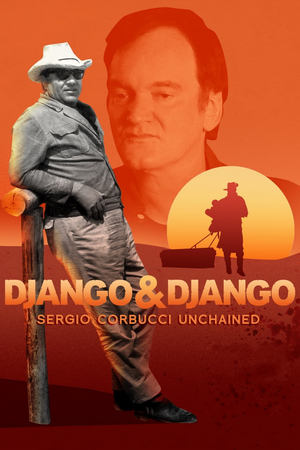
A tribute to Italian filmmaker Sergio Corbucci (1926-90), presented by American filmmaker Quentin Tarantino.
A comprehensive and fascinating behind-the-scenes look at the restoration process of restoring 3-strip Cinerama for the 1962 film "The Wonderful World of the Brothers Grimm".