Maliar doktora smrti
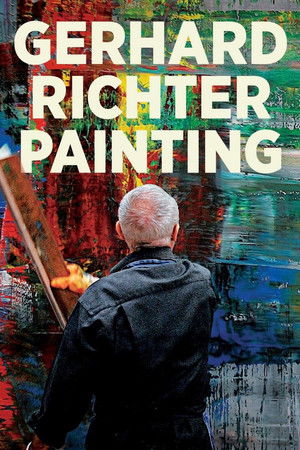
Gerhard Richter has spent over half a century experimenting with a tremendous range of techniques and ideas, addressing historical crises and mass media representation alongside explorations of chance procedures. This first glimpse inside his studio in decades is exactly that: a thrilling document of the 79-year-old's creative process, juxtaposed with rare archival footage and intimate conversations with his critics and collaborators.
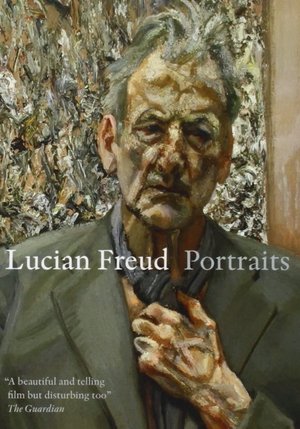
Filmmaker Jake Auerbach decides to offer a description of his friend Lucian Freud that's more truthful than the common media image by asking a number of people who have sat for Freud's portraits to share their experiences with the camera. They include several of Freud's friends and daughters, and the film becomes a depiction not only of his art, but also his private persona. Lucian Freud does not appear, with the exception of a brief shot at the end of the film.
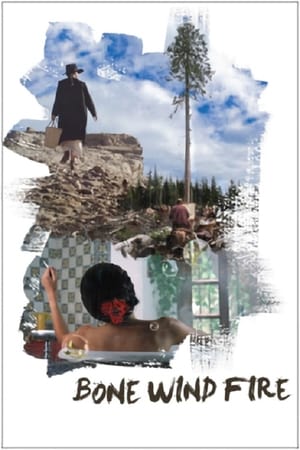
A journey into the hearts, minds and eyes of Georgia O’Keeffe, Emily Carr and Frida Kahlo - three of the 20th century’s most remarkable artists.
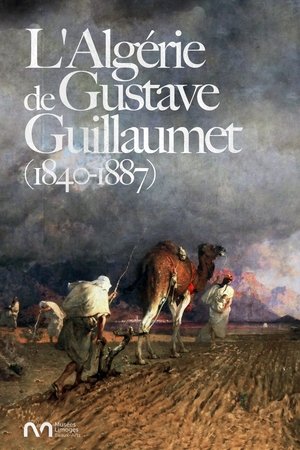
Born on March 25, 1840, Gustave Guillaumet discovered Algeria by chance when he was about to embark for Italy. Over the course of his ten or eleven trips and extended stays, he established a familiarity with this space. Traveling through the different regions from north to south, he never ceases to note the differences. He is also the first artist, apart from Delacroix's Women of Algiers, to penetrate into female interiors and reveal the reality, far removed from the harem fantasies that reigned in his time. Fascinated by the country, its deserts and its inhabitants , going so far as to live like the Algerians, Gustave Guillaumet devoted his life and his painting to this country, breaking with the colorful and exotic representations of the time. The painting The Famine in Algeria, restored thanks to exceptional fundraising, was dictated by the events of the years 1865-1868, and well illustrates his knowledge of the country, in a manner that is at once demanding, sensitive and serious.
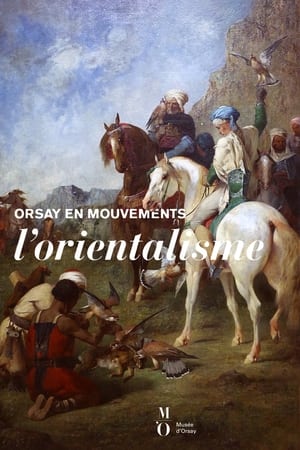
Orientalism is a literary and artistic movement born in Western Europe in the 18th century. Through its scale and popularity, throughout the 19th century, it marked the interest and curiosity of artists and writers for the countries of the West (the Maghreb) or the Levant (the Middle East). Orientalism was born from the fascination of the Ottoman Empire and followed its slow disintegration and the progression of European colonizations. This exotic trend is associated with all the artistic movements of the 19th century, academic, romantic, realistic or even impressionist. It is present in architecture, music, painting, literature, poetry... Picturesque aesthetics, confusing styles, civilizations and eras, orientalism has created numerous clichés and clichés that we still find today in literature or cinema.
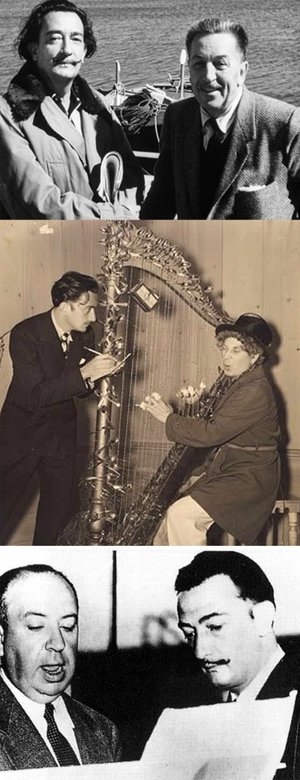
The Cinema According to Dalí
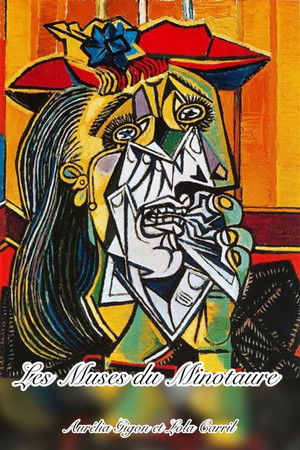
Les Muses du Minotaure
Muž zbavený tíže
An aging, reclusive painter shares stories about his life and brushes with death.
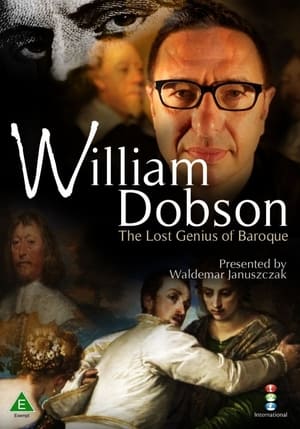
Acclaimed British art critic, Waldemar Januszczak, investigates the few known facts about William Dobson and seeks out personal stories he left behind as it follows him through his tragically short career. Among the Dobson fans interviewed in the wonderful film is Earl Spencer, brother of the late Princess Diana, who agrees wholeheartedly that William Dobson was the first great British painter.
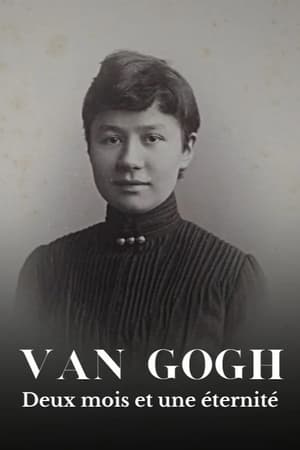
Van Gogh, deux mois et une éternité
A short documentary film about Czech-Bulgarian painter Ivan Mrkvička
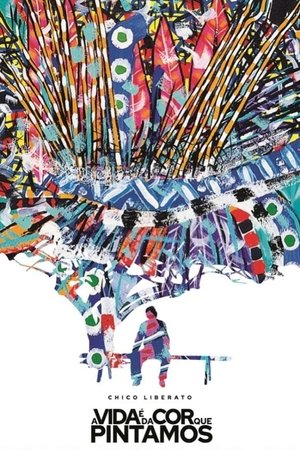
Perpetuating art was the main objective in the life of visual artist, filmmaker and cultural manager Chico Liberato, who died in January, 2023. A pioneer of animation cinema in Bahia, he left a legacy for the area, and even in his family.
La Garoupe, a beach in Antibes, in 1937. For one summer, the painter and photographer Man Ray films his friends Pablo Picasso, Dora Maar, Paul Eluard and his wife Nusch, as well as Lee Miller. During these few weeks, love, friendship, poetry, photography and painting are still mixed in the carefree and the creativity specific to the artistic movements of the interwar period.
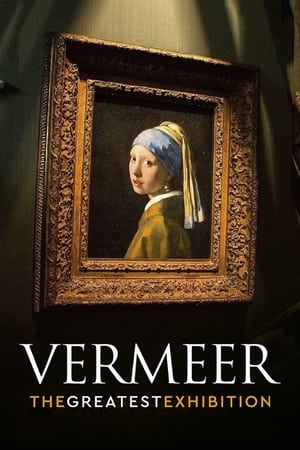
With loans from across the world, this major retrospective will bring together Vermeer’s most famous masterpieces including Girl with a Pearl Earring, The Geographer, The Milkmaid, The Little Street, Lady Writing a Letter with her Maid, and Woman Holding a Balance. This film invites audiences to a private view of the exhibition, accompanied by the director of the Rijksmuseum and the curator of the show.
Hans Hartung, la fureur de peindre
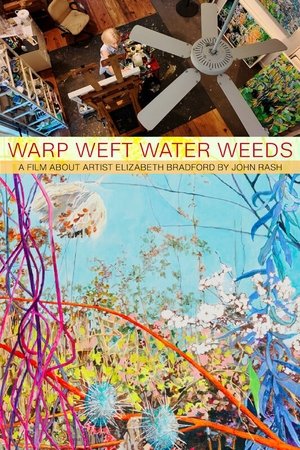
Elizabeth Bradford draws inspiration for her paintings from a profound connection to nature through direct observations while hiking or kayaking primarily in the Appalachian Mountains and foothills where she resides.
Josef Mánes
Ludvík Kuba