Elogio a la Sonrisa
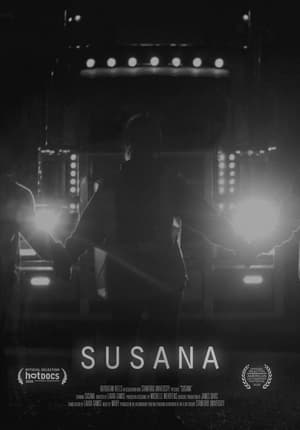
ICE conducted the largest immigration raids in US history at slaughterhouses in 2019, arresting and deporting undocumented workers. Despite the danger to herself and her family, former slaughterhouse worker Susana returns to the scene at night to care for animals on their way to the kill floor.
Terry Wilson is a 70-year-old lifelong resident of Meadowvale Village, Ontario's first heritage district. As development looms and begins to destroy Terry's favourite place in the world, he recreates pieces of history in his backyard, crafting an oasis where it feels like nothing has changed. A beautiful tribute to his childhood, his mother, and his town, Terry passionately fights to preserve history in a world that's too anxious for change.
YAMAH
A story of a mother and her son and a race against a tortoise where you always lose.
Returning home, a queer filmmaker finds their mother awakened to a new understanding beyond patriarchy, as the two reconcile amidst a past shaped by unspoken pain.
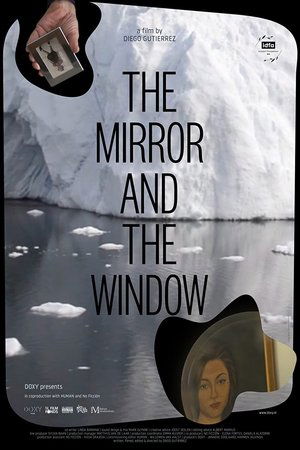
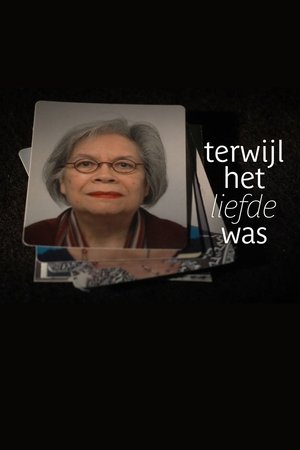
Filmmaker Diego Gutiérrez knows that he is soon to lose two loved ones: his mother Gina Coppe and his best friend Danniel Danniel. Both ask him to film them during this final phase of their lives—Gina in her apartment in Mexico City, Danniel in a Dutch restaurant where he feels at home. What stories do they want to leave behind?
An informational documentary that invites you to explore another side of pregnancy and childbirth which is not often shown in the mainstream media. In this documentary we take a look at the Midwifery Model of Care, show and tell what a birth center is and what one can expect with an out of hospital birth experience. We answer the most common questions and address the concerns most people have about out of hospital births. We also discuss C-section, VBAC, ICAN, Interventions, the importance of a proper diet during pregnancy and more. We hear three women share their personal birth stories; In and out of hospital experiences. This documentary is full of good information and is a must see for all women of childbearing age interested in pregnancy and childbirth, regardless of where they choose to give birth.
The life of Mrs. Bertha Sánchez has changed because of a virus that threatens the world. She, locked in her home, adapts to the important change and the challenge that society suffers. She finally finds a balance in her routine between what appears to be a dark reality and a bright learning opportunity.
The Rastreadoras de El Fuerte are a group of mothers of disappeared persons in northern Sinaloa who, in the absence of the authorities, twice a week go out with picks and shovels in search of the remains of their children; a testimony of the abandonment of the State, the aggressions of the drug traffickers, the indifference of society and the pain, but also of the strength and courage that keep these women together, and of their empowerment to mobilize society in community organization.
A mother discovers that her son has a disability that causes her breast milk to intoxicate him. But the discovery comes too late to prevent the loss of neurons.
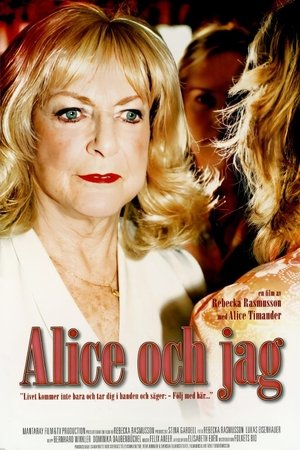
Documentary filmmaker Rebecka Rasmusson becomes pregnant with the man she believes to love, when it turns out that he also has another woman. One evening in front of the TV, Rebecka sees an interview with the 90 year old premier queen Alice Timander who says she never felt loved. Rebecka decides to look her up and together insinuates itself a drama about love, betrayal, being a mother, daughter, and as a woman wearing a dream about making a career.
"Until one day... when the first shot was fired, everyone had to leave their homes." – In 1975, Ema was awaiting the arrival of her first child, in Angola. However, her tranquility was abruptly interrupted by a force that pulled her from her comfort and changed her life forever.
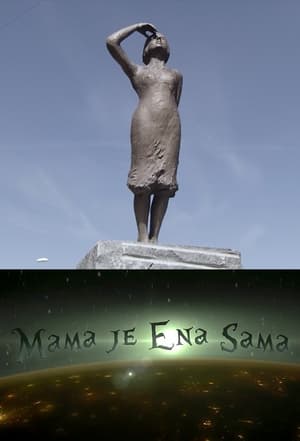
Tatjana in Motherland is a partly animated documentary essay about Slovenia and its men. It is a “documentary-tale” of how Slovenian society has been disintegrating in an invisible way. The story will unveil a Slovenian Oedipus archetype of the possessive martyr mother type and her relationship with her son, in which she through emotional manipulation, by constantly creating feelings of guilt, burdens her son to such a degree, that he remains dependent on her for the rest of his life. In order to put this relationship to its best use, all Slovenian governing structures have elevated mother figure on the level of a saint and have assigned to it the cultish role. The result of the Slovenian maternal cult is a typical Slovene male, who is pathologically obsessed with his mother.
Artistic director of the National Theater Eric de Vroedt writes and directs a performance about his own mother Winnie, who passed away in 2020. This piece, titled The Century of My Mother, is a family story about the migration from the Dutch East Indies to the Netherlands. It is De Vroedt's way of examining the relationship with his mother and not having to say goodbye to her yet: 'I can let her live on stage, but when the curtain falls, when the play is completely finished, then she is really dead'.
Pivetta
Twins separated at birth, Camryn and Alex meet by chance for the first time on their 21st birthday and discover they're witches with the power to save their homeland of Coventry from the evil that threatens it. But when Camryn leaves Alex to face the darkness alone, will Coventry be doomed? Or will the sisters multiply their magic by standing together?
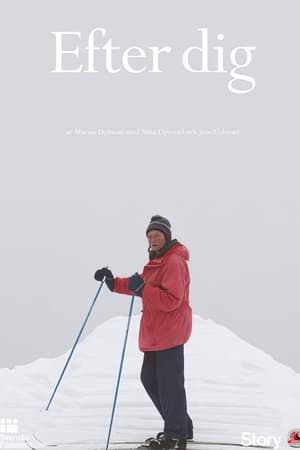
"My mother is spending all her time with her dying father. I’m spending all my time filming her. As the end is getting closer, my mother and I start doing the filming more and more together. It becomes our way of dealing with the time we have left." —Marius Dybwad Brandrud
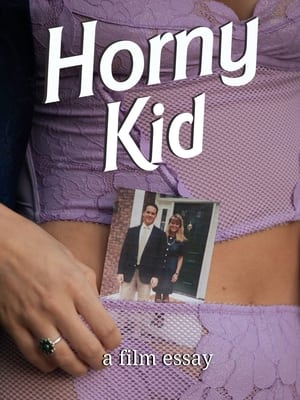
The filmmaker's mother describes stories of his lustful youth over the phone, causing them to reflect on his current love life at the age of 30.
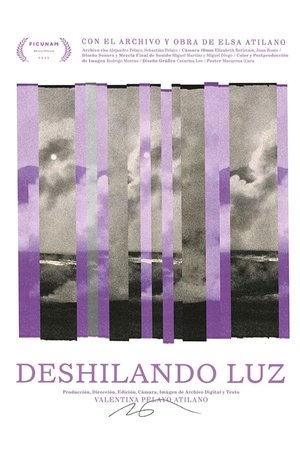
A film essay that intertwines the director's gaze with that of her late mother. Beyond exploring mourning and absence as exclusively painful experiences, the film pays tribute to her mother through memories embodied by places and objects that evidence the traces of her existence. The filmmaker asks herself: What does she owe her mother for who she is and how she films? To what extent does her film belong to her?