Edie Bouvier Beale and her mother, Edith, two aging, eccentric relatives of Jackie Kennedy Onassis, are the sole inhabitants of a Long Island estate. The women reveal themselves to be misfits with outsized, engaging personalities. Much of the conversation is centered on their pasts, as mother and daughter now rarely leave home.
Through a series of extraordinarily honest and intimate conversations, filmmaker Aurora Brachman examines the intergenerational fallout of experiences her mother endured as a child. Together, they forge a path forward that offers them a new beginning.
In Our Mothers' Gardens celebrates the strength and resiliency of Black women and Black families through the complex, and often times humorous, relationship between mothers and daughters.
Charlotte Gainsbourg looks at her mother Jane Birkin in a way she never did, overcoming a sense of reserve. Using a camera lens, they expose themselves to each other, begin to step back, leaving space for a mother-daughter relationship.
Dag Ma
mommy forever
Jim Carrey exhibits his talent as a painter and reflects on the value and power of art.
Three generations of women share a home — cooking, waiting, and persisting—until a pregnancy quietly shifts the balance, exposing the deep-seated traditions that still shape their lives. Even in a household led by women, patriarchy lingers in the unspoken.
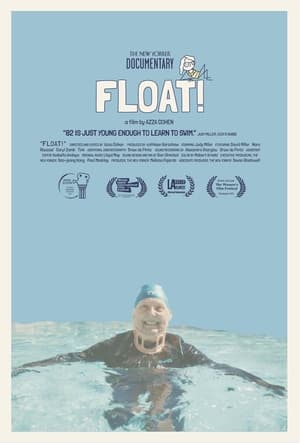
With depth, intimacy, and humor, FLOAT! captures filmmaker Azza Cohen's magnetic grandma’s life-affirming journey learning to swim at 82, inspiring audiences to defy societal expectations of aging and to boldly look forward at every stage.
An interconnected look at tradition, colonialism, property, faith, and science, as seen through labor practices that link an endangered salamander, mass-produced apples, and the evolving fields of genomics and machine learning.
British documentarian Nick Broomfield creates a follow-up piece to his 1992 documentary of the serial killer Aileen Wuornos, a highway prostitute who was convicted of killing six men in Florida between 1989 and 1990. Interviewing an increasingly mentally unstable Wuornos, Broomfield captures the distorted mind of a murderer whom the state of Florida deems of sound mind -- and therefore fit to execute. Throughout the film, Broomfield includes footage of his testimony at Wuornos' trial.
Filmmaker Stephanie Wang-Breal sets out to cross the generational divide, confronting long-simmering tensions with her Chinese immigrant mother by literally becoming her. Dressing in her mom’s iconic St John Knit power suits and re-creating her 1980s local TV cooking show, Stephanie becomes Beta-Florence, a radical reinterpretation of Asian-American identity.
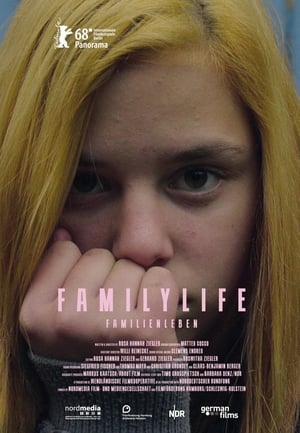
Biggi lives with her two daughters, four dogs and her exboyfriend Alfred on a dilapidated farm in a small village in Saxony-Anhalt. Biggi and Alfred are out of work and they live very modestly. The 14 and 17 year-old daughters Saskia and Denise should really go to school, but there are always reasons for them to stay at home. This gives rise to tension with Alfred. We accompany them during their conflict-ridden everyday lives and learn something about their dreams, fears and hopes. And how difficult it is to break out of a circle.
Intoxicants offered Pinja a connection to her mother. What will their lives be based on when they both decide to get sober?
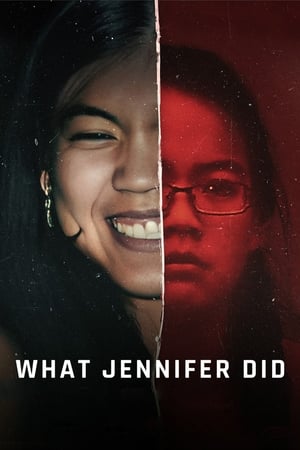
When Jennifer Pan calls 911 to report that her parents have been shot, she becomes the primary focus of a captivating criminal case.
For her entire professional life, renowned ecologist Nalini Nadkarni pioneered climbing techniques to study "what grows back” after an ecological disturbance in the rainforest canopy. Now, after surviving a life-threatening fall from a tree, she must turn her research question onto herself in order to understand the effects of disturbance and recovery throughout her life.
Emily Grodin is an autistic woman who spoke minimally for a significant part of her life, until she had a breakthrough and began to express herself in new ways.
A mother and a daughter in a bond beyond time, waiting to move forward among absurd dialogue, injections, plants and e-mails.
Nesrin and Erdem talk about their relationship, which they don’t remember in exactly the same way. Çevik’s visually stunning essay uses their conversations to forge a pensive treatise on what it means to forget, where word and image play an equal role.
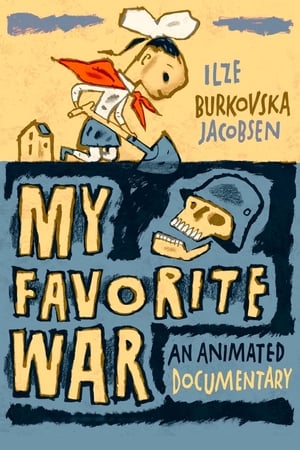
Ilze Burkovska, a little girl who is obsessed with stories of World War II and will be a filmmaker in a distant future, lives in Latvia under the totalitarian boot of the Soviets and the ominous shadow of the many menaces and horrors of the Cold War.