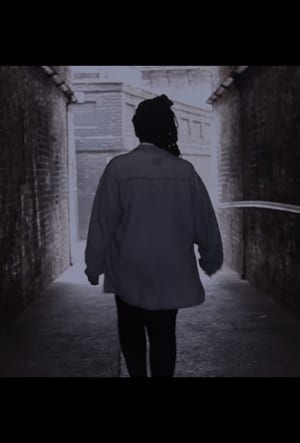
A short film about the changing face of London Soho and the implications of gentrification on Mimi, an aging transvestite.
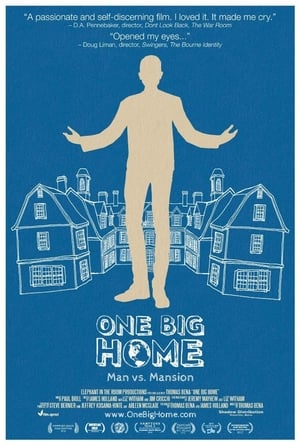
On the tiny island of Martha's Vineyard, where presidents and celebrities vacation, trophy homes threaten to destroy the islands unique character. Twelve years in the making, One Big Home follows one carpenters journey to understand the trend toward giant houses. When he feels complicit in wrecking the place he calls home, he takes off his tool belt and picks up a camera.
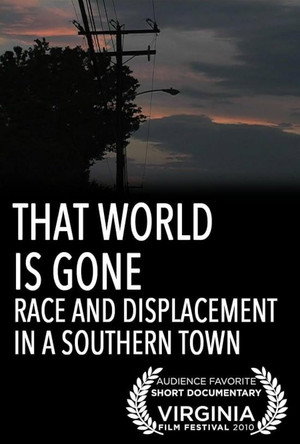
Kathy's family left on a Saturday morning in 1965. The rumble of bulldozers echoed through the neighborhood, and her block was empty. Federally-funded urban renewal had arrived in Charlottesville, scattering dozens of families like Kathy's. The once-vibrant African American community, built by formerly enslaved men and women who had secured a long-denied piece of the American dream, disappeared.
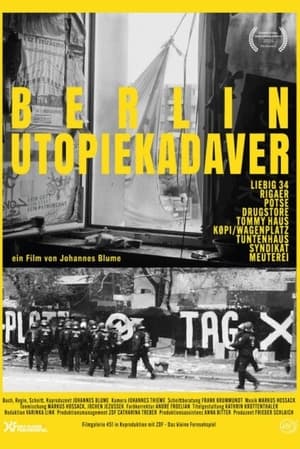
A taxi drives through the city of Berlin. Its driver is a punk, left and a well-known figure in the autonomous scene. The stations of his trip are the most important places of the autonomous scene: all in the struggle for survival. The last evictions have not yet been processed and the next ones are coming right up.
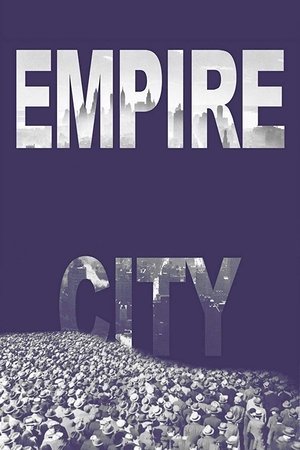
A film essay contrasting the modern metropolis with its "golden age" from 1830-1930, with the participation of some of New York's leading political and cultural figures. Made at a time when the city was experiencing unprecedented real estate development on the one hand and unforeseen displacement of population and deterioration on the other. Empire City is the story of two New Yorks. The film explores the precarious coexistence of the service-based midtown Manhattan corporate headquarters with the peripheral New York of undereducated minorities living in increasing alienation.
Quartiers sous tension
Artists, urban planners and the city of Berlin trying to transform a former GDR ruin into a place for new visions and concepts of city - a place where everything is different than before?
A short documentary shot in November 2021 in Berkeley. It reflects on the ethos of privatization in American culture and how public spaces are being built to exclude people through cruel architecture. The context used is the gentrification circle around the University of California Berkeley intended to build student housing. An eye-opening journey that explores structures and elements you would never have stopped at.
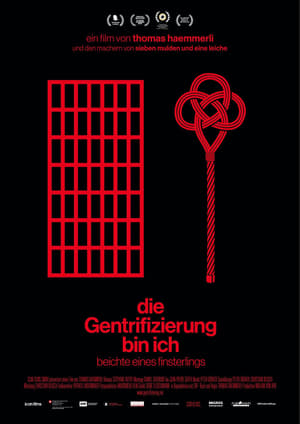
Is the city of Zurich suffering from ‘density stress’? What is it like to live in mega cities such as São Paulo, Mexico City and Tiflis? Filmmaker Thomas Haemmerli broaches the topics of city development, architecture, density, housing market, xenophobia and gentrification from an autobiographical perspective. The path of his life has led him from a childhood in the villa district of Zürichberg, through his teenage years as squatter to flat shares, yuppie apartments and finally second homes in various cities. Only recently having become a dad, he plans to further enhance Zurich’s price appreciation by purchasing a huge, extended city apartment… This multifaceted essay not only humorously questions the filmmaker’s decisions, but also those of the right-wing conservatives, who are afraid of losing their space to immigrants, and the political left, who fail to embrace modern-age architecture.
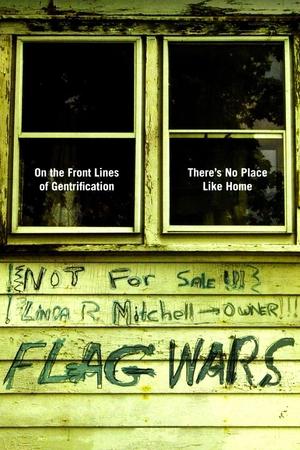
Filmed over four years, this documentary focuses on the impacts of gentrification as gay white professionals move into a largely black working-class neighborhood in Columbus, Ohio.
In the dilapidated industrial buildings in Upper Ladadika or in the wider area of Valaoritou in Thessaloniki, bands and creators flourished for over four decades. Rooftops, music studios and rehearsal halls with the decibels turned up created the space and time for a continuous explosion of cultural action, personal and collective expression. Through the eyes of the musicians and individuals who continue to shape the city's underground music scene, we see how all this creative expression is increasingly threatened by the ongoing process of displacement due to gentrification. We discuss Thessaloniki, music, the future and the resistance that can be born.
Jose Rivera is a lifelong resident of Spanish Harlem (El Barrio) but is afraid that gentrification will force him out. James Garcia has just bought an apartment across the street from public housing and wonders why locals resist his moving into the neighborhood. James Barrow worries that a construction project in an empty lot behind his building will threaten his apartment. Oscar Dominguez and Movement for Justice in El Barrio protests against gentrification. A town hall meeting pits community members against a City Councilwoman who supports a massive development project in East Harlem.
Chronicling the events surrounding the protests generated by the proposed redevelopment of an empty lot at 105 Keefer St., located at the heart of Vancouver's Chinatown.
Nicknamed "The Black Beverly Hills," View Park, Baldwin Hills, and Ladera Heights, are unarguably the three most wealthiest black neighborhoods in the world. Residences from the neighborhoods tell stories of their personal upbringings, past and present history of their neighborhoods, and their own views and opinions of the changing demographics.
Over the course of over six decades, Honest Ed's became a Toronto Landmark. The neighbourhood it left behind when it closed its doors in 2016 reflects on its history and legacy.
An ancestral house builds itself, comes to life, and shows us its story spanning one hundred fifty years. Through the ages, it allows us to perceive the passage of time.
“El apagón: Aquí vive gente” is a 23-minute film that explores the socio-economic challenges in Puerto Rico, focusing on the effects of power outages and gentrification driven by the real estate and energy sectors. Through visuals and personal stories, the documentary highlights the experiences of Puerto Rican communities facing these issues.
In the 1950s, Seattle had plans to build one of the densest networks of freeways in the world. It would have displaced thousands, especially the poor and people of color. Over the next two decades, a broad coalition of communities came together and halted these plans. Testimonies from that era are juxtaposed with interviews of activists who participated in the revolt, giving a picture of what Seattle could have been had the people not stood up to the highway lobby and their representatives.
A film about the cross coalition of communities that stopped a planned network of freeways from being built in Seattle in the late 60s and early 70s. It weaves together archival material with the filmmaker's personal narrative about living next to freeways, and features interviews with participants from the freeway revolt.
Facing eviction the oldest black-owned gay bar in Brooklyn relies on a passionate community in its fight for survival.