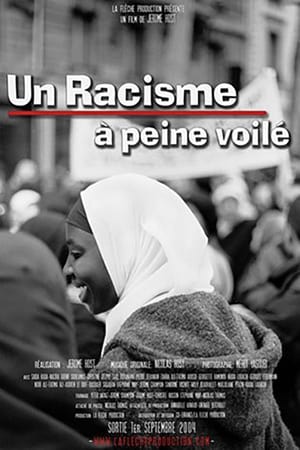
October 2003, Alma and Lila Levy are excluded from the Lycée Henri Wallon in Aubervilliers solely because they were wearing a headscarf. What follows is a deafening political and media debate, justifying in most cases the exclusion of girls wearing head-scarves to school. February 2004, a law was eventually passed by the National Assembly. "A thinly veiled racism" is about this controversy since the affair of Creil in 1989 (where two schoolgirls were excluded for the same reasons) and attempts to "reveal" that maybe what hides behind is the desire to exclude these girls. This film gives them a voice as well as others - teachers, community activists, feminists, researchers - gathered around the group "A School for You-All" fighting for the repeal of this law they consider sexist and racist ... This movie was censured in Septembre 2004 in France.
The history of warfare as it relates to global Black society, broken down into 7 chapters that examines the ways the system of racism wages warfare from a historical, psychological, sexual, biological, health, educational, and military perspective.
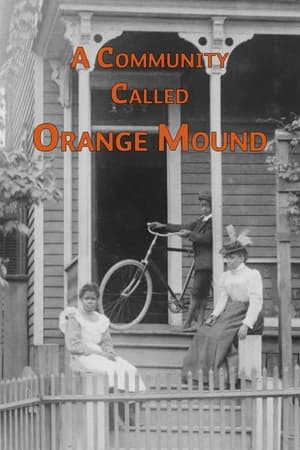
Orange Mound is a southeast Memphis neighborhood with a surprising legacy. With roots going back to the time of plantations and slavery, Orange Mound grew at the end of the nineteenth century out of the remains of that defunct way of life. It was one of the first communities in the United States to be built entirely by and for African Americans.
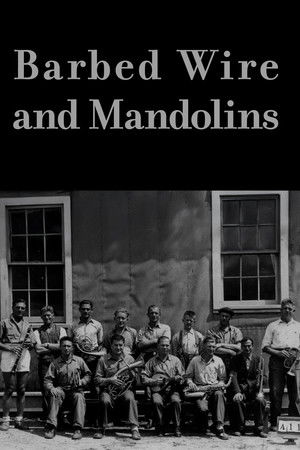
Upon Canada's entry into World War II, the RCMP rounded up thousands of people it considered fascist sympathizers. Among them, 700 Italian-Canadians were held for up to three years in internment camps. None were ever charged with a criminal offence.
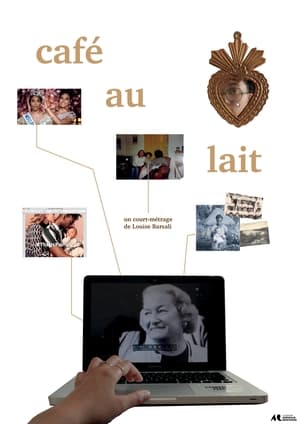
Café au Lait
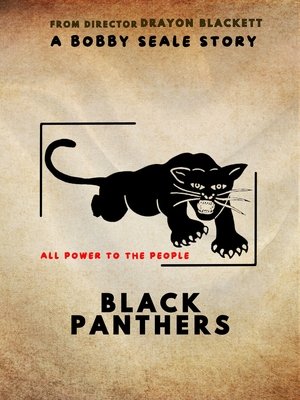
This documentary follows Bobby Seale's rise as co-founder of the Black Panther Party, battling racism, government repression, and internal power struggles-staying true to his mission even when surrounded by ego, conflict, and betrayal.
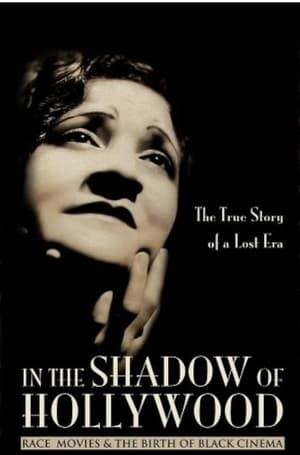
This documentary captures the sounds and images of a nearly forgotten era in film history when African American filmmakers and studios created “race movies” exclusively for black audiences. The best of these films attempted to counter the demeaning stereotypes of black Americans prevalent in the popular culture of the day. About 500 films were produced, yet only about 100 still exist. Filmmaking pioneers like Oscar Micheaux, the Noble brothers, and Spencer Williams, Jr. left a lasting influence on black filmmakers, and inspired generations of audiences who finally saw their own lives reflected on the silver screen.
Autodeclarado
Elliot Page brings attention to the injustices and injuries caused by environmental racism in his home province, in this urgent documentary on Indigenous and African Nova Scotian women fighting to protect their communities, their land, and their futures.
How do white South Africans deal with their fears of crime and violence? Like crocodiles, some survive without evolving, living with their fears. Others make fear their friend and evolve in ways you'd never imagine.
This documentary accompanies the journey of artists who exalt and celebrate ancestry and the orishas in their work. It also offers a manifesto against one of the biggest problems facing Brazil: religious racism. The feature brings together stories from music, theater, fashion, dance and the visual arts to promote reflection on the power and importance of black representation, art and diversity
A documentary that reviews the numerous contributions of African-Americans to the development of the United States. From the perspective of the turbulent late 1960s, the fact that their positive roles had not generally been taught as part of American history, coupled with the pervasiveness of derogatory stereotypes, was evidence of how Black people had long been victims of negative attitudes and ignorance.
With his ultra-conservative policies, US President Donald Trump is disrupting the global order as well as US institutions and society. Filmed less than one year after the start of his second mandate, this documentary analyses the concrete impact of his policies on the American people.
Parks makes himself the subject, tracing his development as a person and an artist through a non-narrative abstract self-portrait that combines his photographs with his poetry, musical compositions and scenes from his films. It also features footage of Parks, plus interpretations of his personal reminiscences performed by actors Avery Brooks, Roscoe Lee Browne, and Joe Seneca.
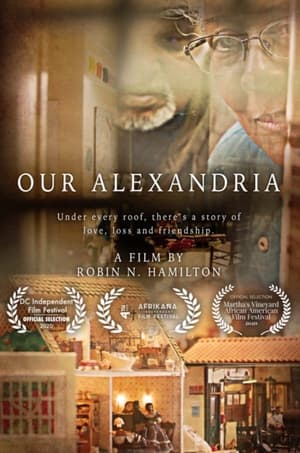
Two artists from Alexandria, Virginia, revisit the town’s segregated past and tell the story of family, friendship, loss, and love through historical dollhouses.
For decades, Washington, DC has been a beacon for Black culture and Go-Go music. Now, a wave of economic and cultural gentrification threatens to erase this history, as displaced communities take to the streets to protest and defend the city’s iconic Go-Go sound.
Toronto filmmaker Charles Officer profiles the young people of Villaways Park, a housing project on brink of historic change.
Shot in part at 10,000 feet at Gross Reservoir in Colorado over a span of 12 years, this short film, featuring the indomitable Rennie Harris, shares a dreamscape glimpse into the vernacular dance form, hambone, or “Patin’ Juba.” This work positions the powerful resilience of the Black male body in the face of white surveillance and the survival and evolution of the dance/music form of hambone within and beyond the histories of enslavement.
The documentary Schwarze Adler (Black Eagles) lets black players of the German national football team tell their personal stories for the first time. What road did they take before they got to where we cheer for them? What hurdles did they have to overcome? What prejudices and racist hostility were they exposed to – and what was it like in the past, what is it like today?
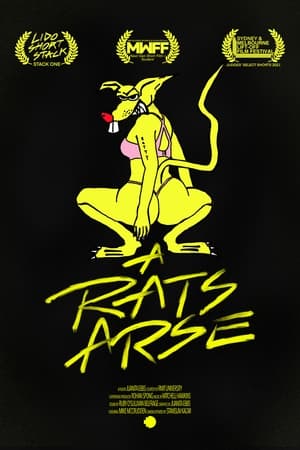
Sitting at the intersection of two main arteries of traffic on Melbournes Northside is a giant yellow rat that is pointing, with a long gnarled claw, to its explicitly large bottom. This yellow rat is the mascot for the small business Glenlyon Motors. This unusual mascot and the absence of an explanation for its existence has many residents of Melbournes north side puzzled. 'A Rats Arse' finally answers the question on every Northside residents lips - “Why?!” - and along the way reveals something about identity, values, community, and the people who exist within them.