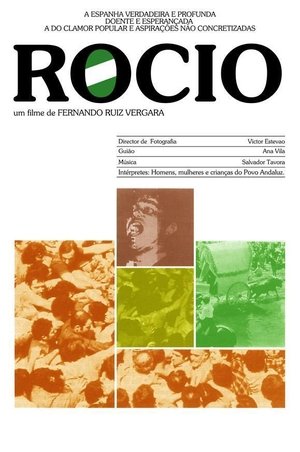
The film shows the genesis of the El Rocío pilgrimage and unveils the economic, socio-political and religious reasons and interests that nurture the phenomenon.
A short film on Republican efforts to improve education standards during the Spanish Civil War.
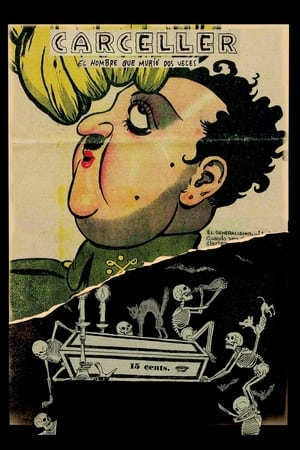
The life story of Vicente Miguel Carceller (1890-1940), a Spanish editor committed to freedom who, through his weekly magazine La Traca, connected with the common people while maintaining a dangerous pulse with the powerful.
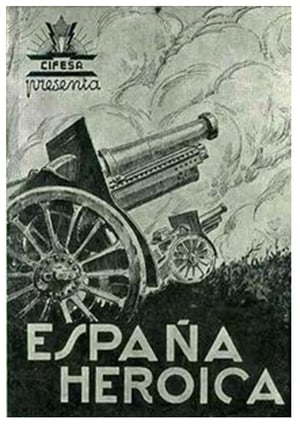
Documentary produced by Falange and edited in Berlin, in response to the international success of the Republican production "Spain 1936" (Le Chanois, 1937).
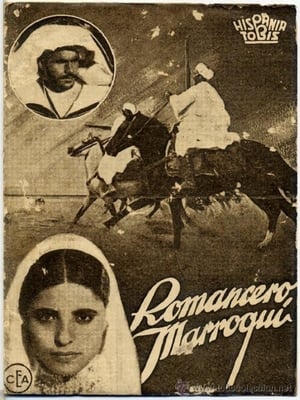
The young farmer Aalami leaves his family to find work elsewhere. He gets to know the country and its people, customs and traditions at Küste in North Africa: Market life in Tetuan, the art of craftsmanship, the life of the Moors, dances and festivities in honour of the caliph, white mosques, the call of the muezzin of the minaret and the music of the shepherd flutes. Aalami also follows Franco's call and flies from Morocco to Spain to fight at Bürgerkrieg. In the end Aalami comes back to his wife and children.
A feature-length documentary based on film reports from the Spanish civil war.
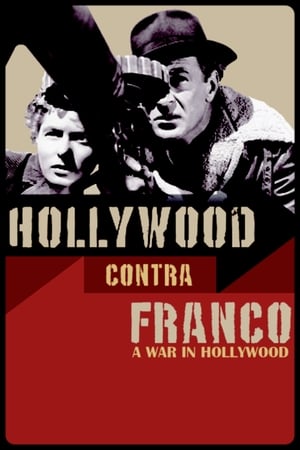
The Spanish Civil War (1936-1939) caused a great impression on the lives of most of the American artists of that era, so many movies were made in Hollywood about it. The final defeat of the Spanish Republic left an open wound in the hearts of those who sympathized with its cause. The eventful life of screenwriter Alvah Bessie (1904-1985), one of the Hollywood Ten, serves to analyze this sadness, the tragedy of Spain and its consequences.
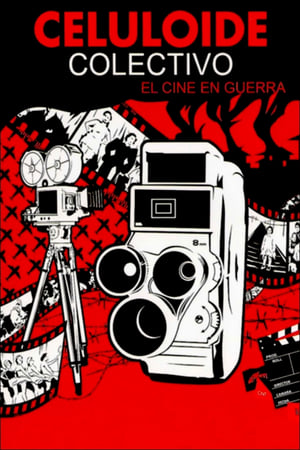
July, 1936. The terrible Spanish Civil War begins. When the streets are taken by the working class, the social revolution begins as well. The public shows are socialized, a model of production and exhibition of films, never seen before in the history of cinema, is created, where the workers are the owners and managers of the industry, through the unions.
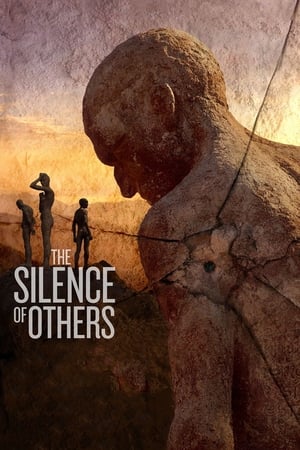
The story of the tortuous struggle against the silence of the victims of the dictatorship imposed by General Franco after the victory of the rebel side in the Spanish Civil War (1936-1975). In a democratic country, but still ideologically divided, the survivors seek justice as they organize the so-called “Argentinian lawsuit” and denounce the legally sanctioned pact of oblivion that intends to hide the crimes they were subjects of.
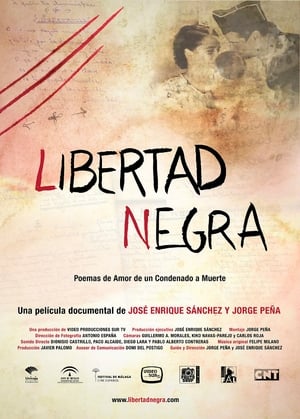
Libertad negra
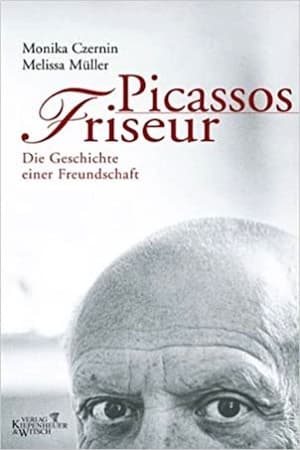
In 1948 Pablo Picasso met the hairdresser Eugenio Arias. Both were linked by the fate of emigration. If Picasso initially only had his hair cut by Arias, a deep friendship soon developed.
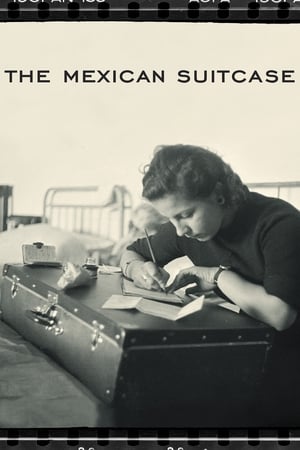
The story of the recovery of the negatives of thousands of photos taken by three photographers during the Spanish Civil War that were found seventy years later in a suitcase, inside a closet in Mexico City.
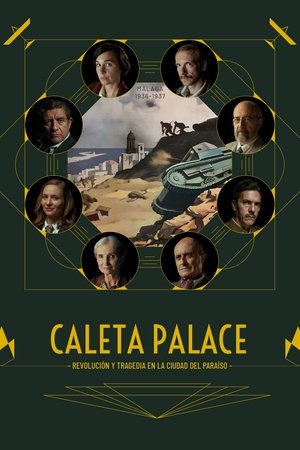
Eight foreign characters recall their exploits and fears in Malaga, a paradise city that starts a revolution on July 18th 1936, as the military coup is stopped by popular rebellion, until February 9th 1937, when Mussolini troops take Malaga and put it under the rule of Franco. Seven months that shape the stark tale of a besieged city, the first capital to be conquered in Spanish Civil War and a prelude of WW2.
Morir en Madrid brings together several papers on the Spanish Civil War and integrates capturing different points of view, intended to represent the continuity of the suffering of the Spanish during the Franco regime. The death of Federico Garcia Lorca, Guernica, the defense of Madrid, the International Brigades, are some of the items comprised in this document.
Joris Ivens’s advocacy documentary for the Republican cause intercuts a besieged Madrid with a nearby village digging an irrigation canal, linking the war to bread, land, and survival. Produced by the writers’ collective Contemporary Historians, edited by Helen van Dongen, scored by Marc Blitzstein, and narrated in its U.S. version by Ernest Hemingway (after an initial Orson Welles track), it blends frontline reportage with persuasion against Franco’s forces and their German–Italian backers.
Upon the outbreak of the Spanish Civil War in July 1936, the anarchist union CNT socialized the film industry in Spain, so in Madrid and Barcelona film workers took over the production assets and, between 1936 and 1938, numerous films on a wide variety of topics were released, composing a varied mosaic that gives rise to one of the most unusual and original moments of Spanish cinematography.
Agente Sicre, el amigo americano
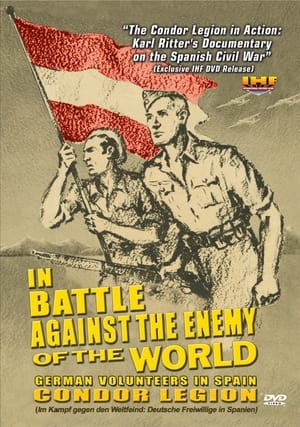
Nazi propaganda film about the Condor Legion, a unit of German "volunteers" who fought in the Spanish Civil War on the side of eventual dictator Francisco Franco against the elected government of Spain.
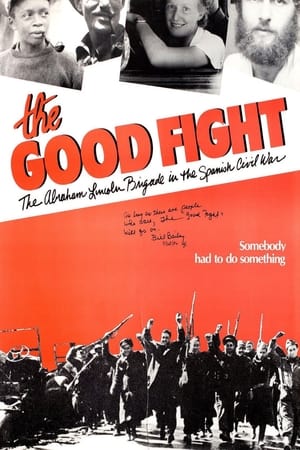
This documentary examines the experiences of the Abraham Lincoln Brigade, using interviews with survivors more than 50 years later. First, the film sets the context with the rise of Fascism. Then, in 1936, Spain's military revolts against the elected government, and the U.S. and Europe agree not to intervene. In response, volunteers snuck past border guards into Spain to fight with the Republicans. The men and women veterans describe the perils of reaching Spain, limited training, responsibilities of command thrust on the very young, deprivations of a soldier's life, lack of matériel, horrible rates of casualties, and ultimate vindication at the end of World War II.
Obsessively referring to the traumas and wounds that the Spanish civil war (1936-39) and Franco's dictatorship (1939-75) caused in their day no longer serves to explain the impassable abyss of incomprehension and hatred that the abject policies and radical positions adopted by both the right and the left in recent decades have opened up before the citizens of a country that is barely known beyond hackneyed cultural clichés.