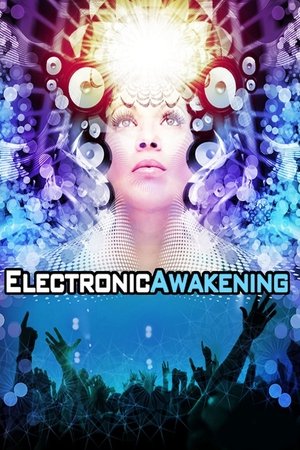
A documentary following the conscious evolution of electronic music culture and the spiritual movement that has awakened within.
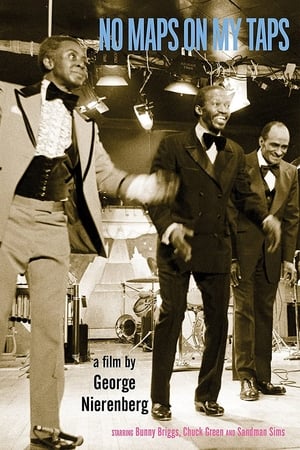
The remarkable spirit of tap dancers and their history provides a joyous backdrop for intimate portraits of hoofers Sandman Sims, Chuck Green, and Bunny Briggs.
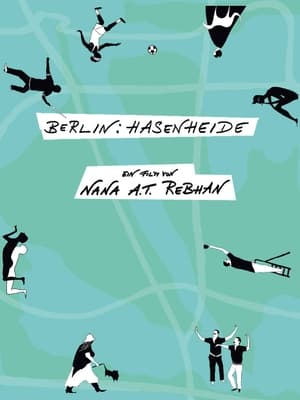
Documentary about the social microcosm of Hasenheide, a 50 hectar green area in Berlin, located between Kreuzberg and Neukölln. In this park, you'll find old women with their dogs, young football players, Turks at the barbecue, as well as nudists. For the residents, Hasenheide is sports area, living room, pub and runway all at once. A refutation of the media panic surrounding the park as a place of drug dealing and violence.
Innovative dance guru Gabrielle Roth is the instructor (and who better?) of her own brainchild -- a workout program that uses physical movement as a way to achieve spiritual awareness. "The Power Wave," the second installment of Roth's Ecstatic Dance collection, offers a high-energy routine that invigorates the body and spirit. You'll feel the stress lift off you in no time via this wonderful regimen.
Indira Manikam and her sister took a leap of faith by establishing Tanjai Kamala Indira Dance School (TKI) in Kuala Lumpur. This documentary captures her journey, explore the power of art, and above all, the courage and resilience of a woman’s spirit.
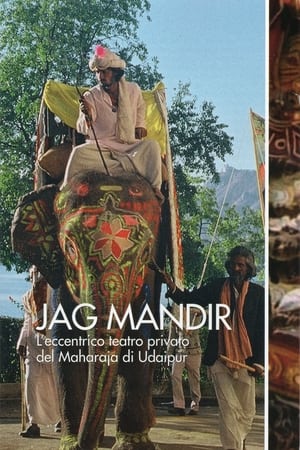
In this surreal documentary, Werner Herzog shows us how, following a saint’s suggestion, the king of Udaipur invited various artists and tribes from many cultures across India to celebrate life and ward off evil.
Actors from Warsaw's garden theatres dance a traditional Polish dance, cracovienne.
Light Heavy Light follows Melissa JJ Moore as she uses dance as her outlet for emotional expression. Through her annual remount charity show, which goes by the same name, Light Heavy Light, she expresses grief compellingly, leaving the audience with a heartwarming message: Be kind to everyone because you do not know what they may be going through.
Collective and performative video work, interfering in three spaces. All actions are a series of interferences with the medium of each of the members of Neofòbia without interaction between them. It is divided into three steps.
"Dabke Time" explores the background of the Dabke dance and specifically the Lebanese Dabke. Flimmaker Roshdi Alkadri interviews several subjects across two different villages in Lebanon to find out more about this popular dance
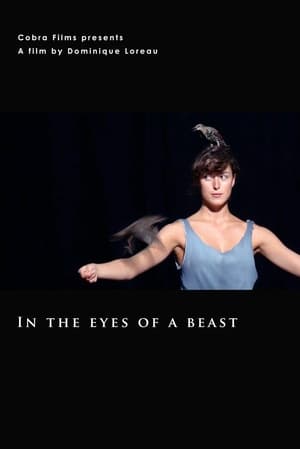
How do humans and animals see each other? Dominique Loreau captures astonishing exchanges of “views” between people and animals who coexist in the city, in farms, slaughterhouses, zoos, museums, or in a dance rehearsal room. In The Eyes Of A Beast questions the permeable boundary between man and animal.
Danza en la sangre
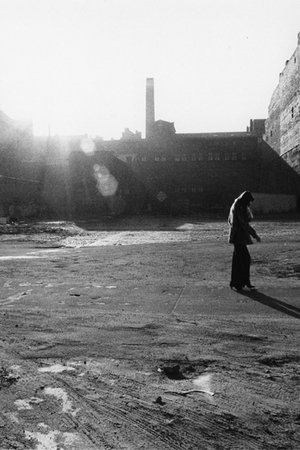
“With this film I try to retrace my journey, my story through the ruins, neighbourhoods, and streets of Berlin. I filmed the dialogue that took place between the city and myself, the wanderings in the old neighbourhoods (Moabit, Kreuzberg, Wedding), places where you can still find most of the traces of the past, or rather what’s left of them.” (AL)
For 23 straight Saturday nights of 1982, The Chicago Party dance show assaulted Chicagoland UHF eyeballs with Spandex, Southside fly guys, tender tenderonies, magicians, contortionists, prismatic video gimmickry, and lip-synched singles by a rising regime of local post-disco casualties. Unfettered nightlife and outlandish humor poured out of oddball outpost The CopHerBox II and onto TV screens. Pooling business acumen with music scene prominence, James Christopher and Willie Woods opened the CopHerBox II in 1979 at 117th and Halsted on Chicago’s Southside. To promote their venture, they purchased airtime on Chicago’s WCIU-TV Channel 26 for weekly installments of The Chicago Party. Each Saturday, the club’s adult clientele filled the illuminated dance floor, providing vibrant B-roll between tapings of breakdancing magicians and Jheri curled ventriloquists, giving an audience to a rising regime of Chicago Soul heavyweights.
A world-famous choreographer comes to one of France's toughest prisons. A group of women will get a unique chance for freedom. Not release. But the freedom that art can give.
Dr. Motte and Wladimir Kaminer, but also Schraubermicha, Joe Hatchiban and Ginger Brown - they all use it. The Mauerpark is located on the former death strip in Berlin. The Wall used to separate people from each other, but today the park reunites them. Punks lie next to mothers with children and artists paint next to basketball players. A unique mixture of madness and relaxation comes together here...
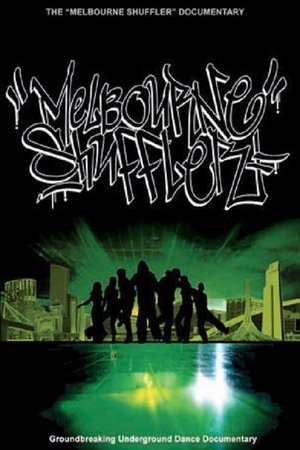
Dance music has spread across the world transcending religious & racial barriers connecting to the hearts and souls of millions. People have always felt the rhythm of music and have as a result evolved countless dance styles throughout the ages. Beginning in the late 80's in Melbourne's underground dance music party scene, a revolutionary freestyle dance began to grow and has now developed into the most unique and robust underground dance style since the birth of Breakdancing. The Melbourne Shuffle has no set steps but encourages individuality and imagination, incorporating dance moves from numerous styles such as miming, popping & locking, liquid and breaking.
Berlin, summer 1988: While Michael Jackson and Pink Floyd perform in the West, East Berliners can look forward to Bruce Springsteen, Depeche Mode and James Brown. The documentary reveals how the organizers enforced the concerts with the state authorities. On the anniversary of the fall of the Wall.
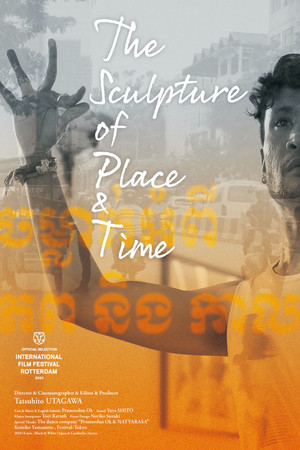
Phnom Penh-based dancer Prumsodm Ok—a Cambodian-American and pioneer of the first Cambodian gay dance company Prumsodun Ok & NATYARASA—demonstrates the meticulous form of Khmer dance. This short draws a parallel between the nature of film as a time machine and the dancing human body as both fundamentally dynamic and temporal. Within the frame beckons a prayer for healing and empowerment in the face of violence and conflict.
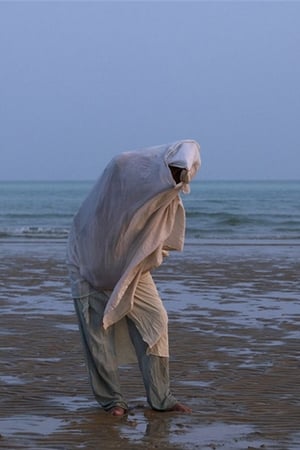
Farid travelled from the easternmost tip of the Arabian Peninsula to the Iranian island of Qeshm to film the annual celebration of Nowruz Sayadeen (Fisherman's New Year). By importing Qeshm to the Sharjah Biennial, she sought to highlight the overlapping identity of Iran and the Gulf states, and specifically the Emirates.