In 1967, Visconti came to Algiers for the filming of The Stranger with Mastroianni and Anna Karina. Camus, during his lifetime, had always refused to allow one of his novels to be brought to the screen. His family made another decision. The filming of the film was experienced in Algiers, like a posthumous return of the writer to Algiers. During filming, a young filmmaker specializing in documentaries Gérard Patris attempts a report on the impact of the filming of The Stranger on the Algerians. Interspersed with sequences from the shooting of Visconti's film, he films Poncet, Maisonseul, Bénisti and Sénac, friends of Camus, in full discussions to situate Camus and his work in a sociological and historical context. “The idea is for us to show people, others, ourselves as if they could all be Meursault, or at least the witnesses concerned to his drama.”
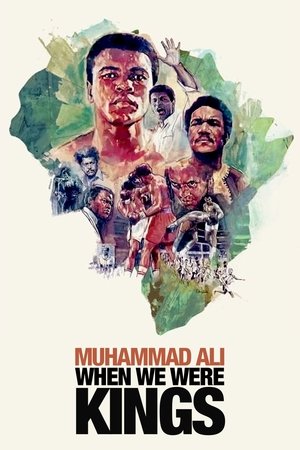
It's 1974. Muhammad Ali is 32 and thought by many to be past his prime. George Foreman is ten years younger and the heavyweight champion of the world. Promoter Don King wants to make a name for himself and offers both fighters five million dollars apiece to fight one another, and when they accept, King has only to come up with the money. He finds a willing backer in Mobutu Sese Suko, the dictator of Zaire, and the "Rumble in the Jungle" is set, including a musical festival featuring some of America's top black performers, like James Brown and B.B. King.
A low-intensity war is being fought on the streets of Europe and the aim is on fascism. This critically acclaimed documentary takes us behind the masks of the militants called antifascists. In 2013 a group of armed nazis attacks a peaceful demonstration in Stockholm where several people are injured. In Greece the neo-nazi party Golden Dawn becomes the third largest in the election and in Malmö the activist Showan Shattak and his friends are attacked by a group of nazis with knives and he ends up in a coma. In this portrait of the antifascists in Greece and Sweden we get to meet key figures that explain their view on their radical politics but also to question the level their own violence and militancy.
About the black community in Ladbroke Grove and Notting Hill which grew up in the 1950s. “No Irish, no coloured, no dogs" read the rooms-to-let signs in what was already a decaying inner area of London. In the Grove black people had to face the brunt of a crude and brutal racism and a grassroots defence was organised against white racist attacks in 1958, to become part of the more general community resistance. And that strength was reflected in the emergence of several major 'Black Power' organisations. Since the 1960s the vital sense of black community which developed in the Grove has resisted attempts to disperse and weaken the community and in particular the attempt to suppress the annual Carnival - the major Afro-Caribbean event in Britain.
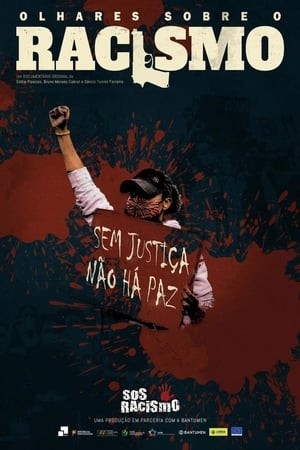
The film marks the 30th anniversary of the SOS Racismo Movement and gives voice to participants in the debate on racial issues in Portugal, bringing together multiple testimonies from racialized, black, gypsy, and migrant communities, as well as contributions from various figures in social and political mobilization, reflecting the intersectionality, diversity, and transversality of the various fronts in the fight against racism. As a tool for debate, mobilization, and awareness-raising in the fight against racism, this documentary aims to contribute to the development of effective political responses to racial discrimination.
Pour mes fils, mon silence est impossible
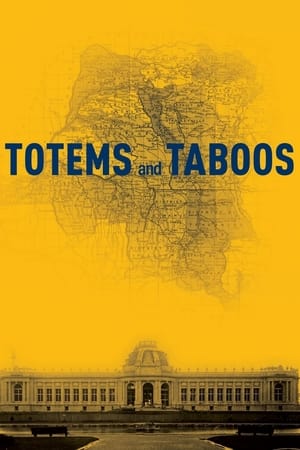
In Brussels, Belgium, the Royal Museum of Central Africa is undertaking a radical renovation, both physical and ethical, to show with sincerity, crudeness and open-mindedness the reality of the atrocities perpetrated against the inhabitants of the Belgian colonies in Africa, still haunted and traumatized by the ghost of King Leopold II of Belgium, a racist and genocidal tyrant.
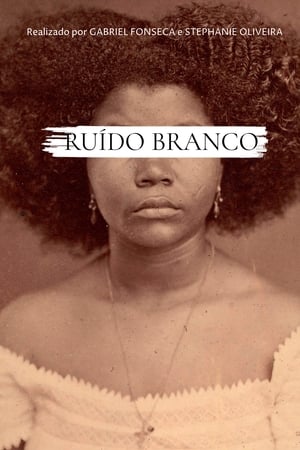
Through a poetic language, "White Noise" seeks to reflect on the whitening processes that Brazil suffered for 130 years, after the abolition of slavery. How it affects our offspring and makes it difficult to search for the identity of black people in a historically racist country.
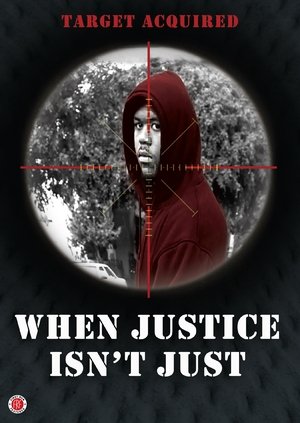
Directed by Oscar-nominated and NAACP Image Award winner David Massey, this dynamic documentary explores why so many unarmed black people have been targeted and killed by police officers. The filmmakers talk to legal experts, activists and law enforcement officials who discuss the inequality within our criminal justice system and who confront the crucial question of how to prevent more violence in this country, including Black on Black deaths. As the Black Lives Matter movement - and citizens nationwide - question the accountability of our justice system in cases of police violence, When Justice Isn't Just is an essential addition to the ongoing discussion about reform and renewal.
This documentary presents two young women from Halifax who are organizing rock concerts to raise money for the group Eastcoast Against Racism. Bronwen and Yaffa believe that the universal language of music will help unite the community. At the same time, they struggle to renew their friendship with Scott, a former Ku Klux Klan member. This moving film is set against a vibrant soundtrack of punk and rap music.
In CATHEDRALS, filmmaker Dan Algrant embarks on a journey to reconnect with two black collaborators from a film made nearly 50 years ago. CATHEDRALS becomes a powerful exploration of the bonds that tie us together and the experiences that shape our identities. Through the lens of a creative collaboration, the film illuminates the struggles and triumphs that define life in a close-knit community, ultimately reaffirming the importance of human connection and the power of collective memory.
A documentary about black women denouncing racism in Switzerland.
It shows the most important moments in the life of Agustin "El Tin" Delgado, maximum scorer of the Ecuadorian soccer team. Through testimonies of his relatives, friends and enemies, Red Card shows the story of this exceptional sportsman and the reality of how the Ecuadorians have penalized the African descents with a “red card”, not only within the stadiums, but in everyday life.
A French documentary on how groups of youth in Paris generated a backlash against the NeoNazi skinhead subculture, and by doing so earned themselves the nickname Chasseurs de Skins or 'Skinhead Hunters'.
After moving to Oregon and falling in love with the ability to explore the outdoors with ease with his wife and two kids, Rashad Frazier knew he had to extend the invitation to others. Driven by the magic of his experiences, his background as a chef, and his love of good food and connecting people to incredible places that open up to conversation, he created Camp Yoshi, which curates custom outdoor adventures centered around shared meals and shared experience with the goal of creating a space for Black people and allies to unplug and in turn reconnect with the wilderness. By virtue of being in these places, Camp Yoshi's trips transform historically segregated spaces into safe havens for the community, conversation, and nourishment.
Keur Simbara is an intimate, lyrical short documentary that follows a group of women community organizers in a rural Senegalese village as they build and sustain systems of health, finance, agriculture, and domestic infrastructure. Amid water scarcity and environmental challenges, they articulate their hopes for the future and the legacy they wish to leave behind. Keur Simbara is a tribute to communal wisdom and the power of local organizing.
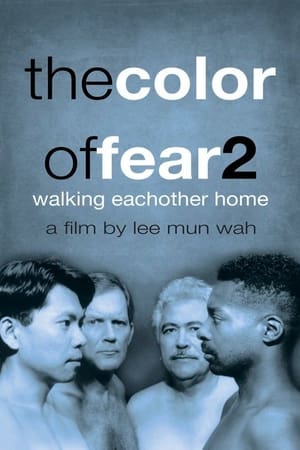
A man that is a stranger, is an incredibly easy man to hate. However, walking in a stranger’s shoes, even for a short while, can transform a perceived adversary into an ally. Power is found in coming to know our neighbor’s hearts. For in the darkness of ignorance, enemies are made and wars are waged, but in the light of understanding, family extends beyond blood lines and legacies of hatred crumble.
This documentary will explore the Afro-Caribbean dance, ‘whining’ alongside the practice of twerking to analyze respectability politics, pressures to accommodate whiteness, and gendered criticism of sexual expression within the Black diaspora. Using archival footage of West African dance, expert opinion from dancing and gender studies professors, and the active participation of partygoers in a dance experiment, Watkins will paint the picture of the defiance, autonomy, and ancestral veneration intrinsic to these traditional movement styles.
Before its economic decline, Detroit was a major metropolis. Now, in the 2000s, the young people of the Motor City are making it their own DIY paradise where rules are second to passion and creativity. Johnny Knoxville tours the city to meet some of the people who are creating a new Detroit on their own terms, against real adversity.
Former professional footballer Anton Ferdinand explores the issue of racial abuse in the game from a personal perspective. Following a sharp rise in reported incidents of racial abuse in football, Anton talks for the first time about his own highly publicised 2011 incident with the former England captain John Terry. Anton wants to understand his own story and find out what needs to be done to address the problem of racism in the game today. He also confronts the online abuse he has experienced since, which has affected his mental health, his career and the lives of his loved ones