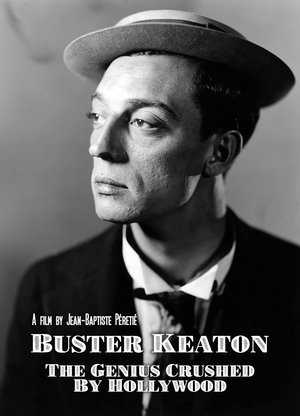
In 1926, Buster Keaton was at the peak of his glory and wealth. By 1933, he had reached rock bottom. How, in the space of a few years, did this uncontested genius of silent films, go from the status of being a widely-worshipped star to an alcoholic and solitary fallen idol? With a spotlight on the 7 years during which his life changed, using extracts of Keaton’s films as magnifying mirrors, the documentary recounts the dramatic life of this creative genius and the Hollywood studios.
The melodramatic story of a pink crew’s tragi-comedic adventures on location. A fictionalized adaptation of set photographer Ichiro Tsuda's 1980 book The Location (Za Rokēshon), an illustrated 229-page document about the cameraman’s experiences with pink cast and crew on the sets of several films produced in the late 1970's.
When Arthur Freed brought Alan Jay Lerner to Hollywood to compose a new Fred Astaire musical (based on Fred's life,) little did he know he would have to recast it's leading lady not once, but twice.
In 1967, experimental filmmaker Jorgen Leth created a striking short film, The Perfect Human, starring a man and women sitting in a box while a narrator poses questions about their relationship and humanity. Years later, Danish director Lars von Trier made a deal with Leth to remake his film five times, each under a different set of circumstances and with von Trier's strictly prescribed rules. As Leth completes each challenge, von Trier creates increasingly further elaborate stipulations.
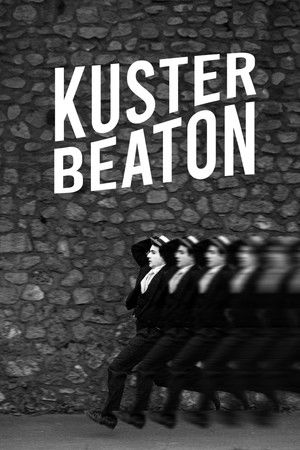
In 1970, Kuster Beaton, a former silent-film star, gives an interview looking back over his career. A journalist asks him about his legendary power : an alleged super-speed that enabled him to shoot his films without special effects.
The making of the latest masterpiece - Crest of Senses - by renown cult film director Jack Gattanella. It's getting weird, and only weirder still, as the weeks go on and Zack and Hayley hold on for dear life. Maybe the dolphins will help.
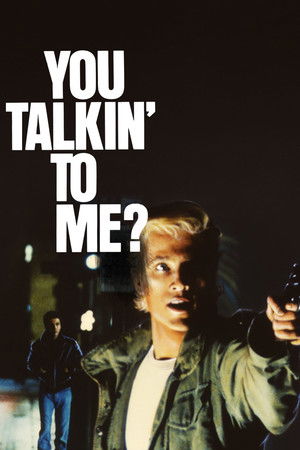
A young actor's fascination with Rober De Niro's TAXI DRIVER persona leads him into a morass of strange and obsessional behaviors.
A documentary about the cultural effect of film censorship, focusing on the tumultuous times of the teens and early 1920s in America.
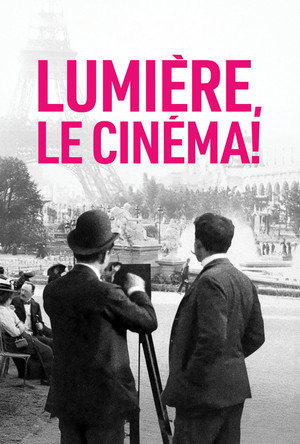
In one of those wonderful coincidences of history, lumière, the French word for “light,” was also the last name of brothers Auguste and Louis, whose brilliant invention, the cinematograph, helped to inaugurate the most beloved art form of the last 130 years. Institute Lumière director Thierry Frémaux uses Lumière, Le Cinema! to guide the viewer through over a hundred shorts—some famous, some forgotten, some never before seen—directed by Lumière and company. In the process, Frémaux illuminates how the brothers employed the camera as a creative instrument as they (and their operators) mastered framing, staging, and subject selection for quotidian and exotic microdocumentaries as well as the first ever fictional motion pictures. The result is not only a glorious re(telling) of the genesis of cinema but a profound meditation on the beautiful world captured—and the mysterious world imagined—by the Lumières.
Facing expulsion from college over a misunderstanding, a bipolar student indulges his misery at a strip club where he befriends a gorgeous, intelligent, outrageous woman and they hatch a madcap scheme to prove his innocence.
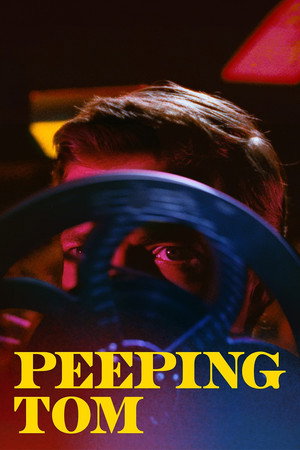
Loner Mark Lewis works at a film studio during the day and, at night, takes racy photographs of women. Also he's making a documentary on fear, which involves recording the reactions of victims as he murders them. He befriends Helen, the daughter of the family living in the apartment below his, and he tells her vaguely about the movie he is making.
Host Marie-Claude Julien meets director Bernard Émond on the day of the launch of his latest film Une femme respectable. He chose Trois-Rivières and its historic rue Des Ursulines to set the story of his main character. The house where the filming took place belongs to Marie-Claude. She took advantage of the director's visit to conduct this interview.
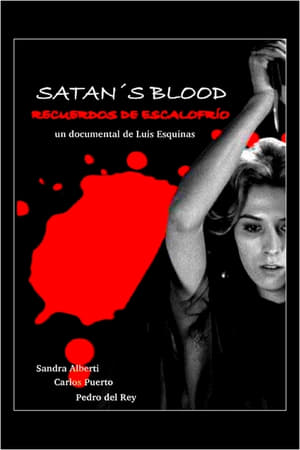
The story of the shooting of Satan's Blood (Escalofrío), a film directed by Carlos Puerto in 1978.
Delves into the history of the most extreme and shocking films that have ever been made. chronicles the timeline of Red Films: those films that are too extreme for the mainstream and historically have been circulated via the bootleg circuit.
While attending a retrospect of his work, a filmmaker recalls his life and his loves: the inspirations for his films.
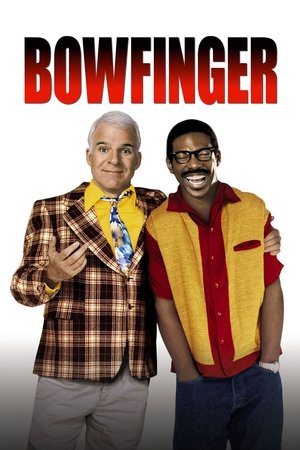
On the verge of bankruptcy and desperate for his big break, aspiring filmmaker Bobby Bowfinger concocts a crazy plan to make his ultimate dream movie. Rallying a ragtag team that includes a starry-eyed ingenue, a has-been diva and a film studio gofer, he sets out to shoot a blockbuster featuring the biggest star in Hollywood, Kit Ramsey -- only without letting Ramsey know he's in the picture.
Students' team shoot a short film. Tensions, nearness, funny situations created by the plateau. A game of hide-and-seek takes place between the life, the reality, the artistic intentions, the fatigue, the stress and the paranoias which are connected to him.
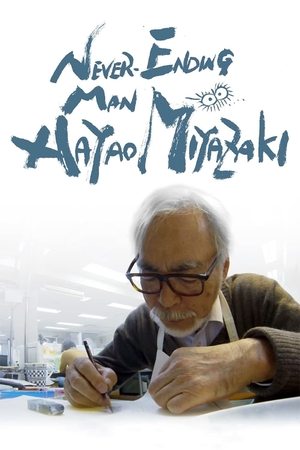
A look at legendary Japanese animator Hayao Miyazaki following his retirement in 2013.
When the individual lifestyles of the embodiments of urban and nature meet... They clash, and create a new parasitic relationship.
Fritz Lang, le cercle du destin - Les films allemands