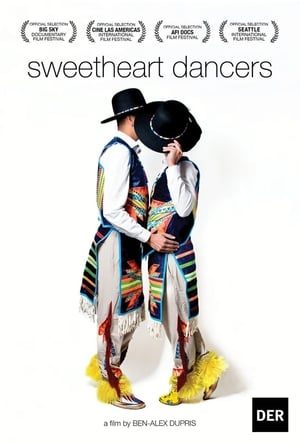
Sean and Adrian, a Two-Spirit couple, are determined to rewrite the rules of Native American culture through their participation in the “Sweetheart Dance.” This celebratory contest is held at powwows across the country, primarily for heterosexual couples … until now.
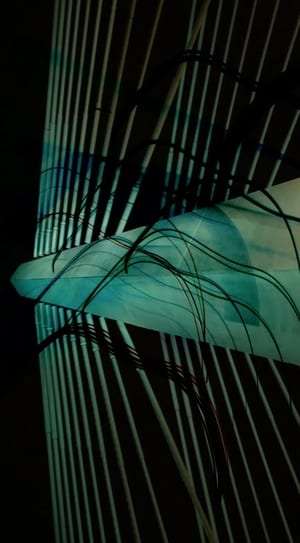
The title of this video, taken from the texts of the architect Kengo Kuma, suggests a way of looking at everything as “interconnected and intertwined” - such as the historical and the present and the tool and the artifact. Images and representations of two structures in the Portland Metropolitan Area that have direct and complicated connections to the Chinookan people who inhabit(ed) the land are woven with audio tapes of one of the last speakers of chinuk wawa, the Chinookan creole. These localities of matter resist their reduction into objects, and call anew for space and time given to wandering as a deliberate act, and the empowerment of shared utility.
Examines the violence and civil disobedience leading up to the hallmark decision in U.S. v. Washington, with particular reference to the Nisqually Indians of Frank's Landing in Washington.
A documentary film about Comanche activist LaDonna Harris, who led an extensive life of Native political and social activism, and is now passing on her traditional cultural and leadership values to a new generation of emerging Indigenous leaders.
A short film highlighting the epidemic of missing indigenous men and women who have gone missing in Bighorn County, Montana. It features several victims' stories and interviews with their families and indigenous activists who are pushing for their cases to be re-examined and solved.
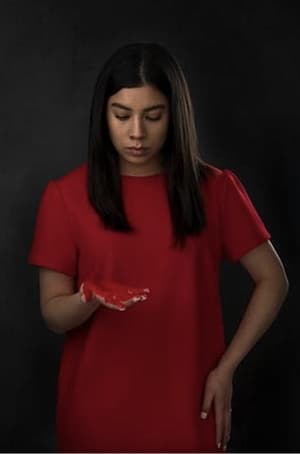
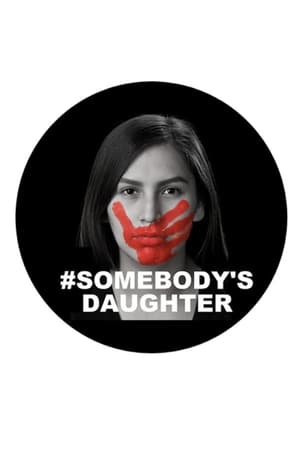
Somebody’s Daughter focuses on higher-profile MMIW cases, some of which were raised during the Senate Committee on Indian Affairs in December 2018. With historical points of reference, the victims’ and their families’ stories are told through the lens of the legal jurisdictional maze and socio-economic bondage that constricts Indian Country.
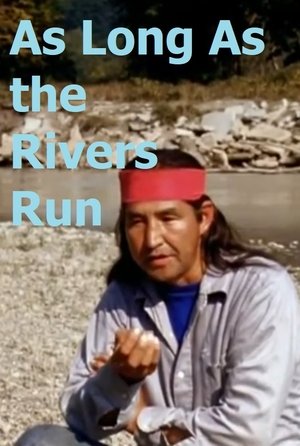
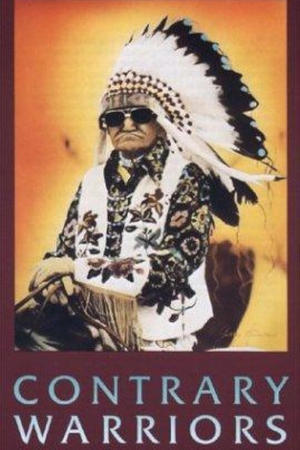
Examines the impact a century of struggling for survival has on a native people. It weaves the Crow tribe's turbulent past with modern-day accounts from Robert Yellow-tail, a 97-year-old Crow leader and a major reason for the tribe's survival. Poverty and isolation combine with outside pressures to undermine the tribe, but they resist defeat as "Contrary Warriors," defying the odds.
Three intrepid women battle for Indigenous women's treaty rights.
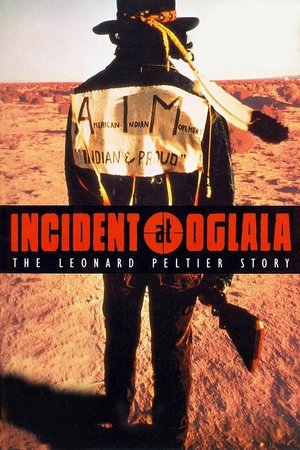
On June 26, 1975, during a period of high tensions on the Pine Ridge reservation in South Dakota, two FBI agents were killed in a shootout with a group of Indians. Although several men were charged with killing the agents, only one, Leonard Peltier, was found guilty. This film describes the events surrounding the shootout and suggests that Peltier was unjustly convicted.
Waters’ LIFT project, ᏗᏂᏠᎯ ᎤᏪᏯ (Meet Me at the Creek), is the fourth of a quartet of films, and focuses on interconnectedness and Cherokee values through the lifelong fight of Rebecca Jim, a Cherokee Nation citizen and waterkeeper warrior, as she leads the effort to restore Tar Creek in Miami, Oklahoma.
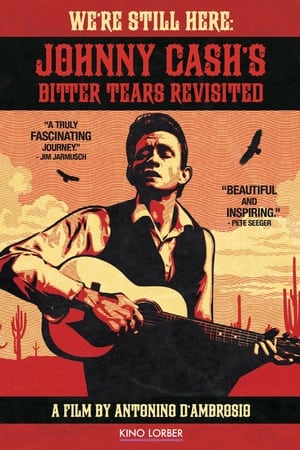
The story behind Johnny Cash's lost Native American-themed concept album and his unique collaboration with folk artist Peter Lafarge. The film also chronicles the reimagining of Cash's highly controversial 1964 record on its 50th anniversary, as recorded at Nashville's historic Sound Emporium Studios. Based on Antonino D'Ambrosio's book "A Heartbeat and a Guitar: Johnny Cash and the Making of Bitter Tears."
"Sisters Rising" is the story of six Native American women fighting to restore personal and tribal sovereignty in the face of ongoing colonial violence against indigenous women in the United States. Dawn was in the Army, now she’s a tribal cop in the midst of the North Dakota oil boom that threatens to pull the last threads of her Native culture apart. Patty teaches indigenous women’s self-defense across the Great Plains of her people. Sarah is an attorney and scholar fighting to overturn restrictions on tribal sovereignty and increase legislative protections for Native women. Loreline and Lisa are grassroots advocates working outside of the system to support survivors of violence and influence legislative change. Chalsey is writing the first anti-sex trafficking code to be introduced to a reservation’s tribal court.
Sixteen-year-old Jewel Wilson is the next generation in a long line of prolific Inupiat subsistence hunters in Unalakleet, Alaska. Her ability to hunt moose is hindered by two pressing issues – scarce wildlife and the pressures of high school life. Finding sufficient food competes with track practice and homework in Jewel’s multilayered world. Along with her father, Jewel turns to the land to feed their family and finds that their village’s way of life is endangered by the same environmental shifts that could affect us all. In hunting moose, we see that Jewel is also hunting for answers. How will her village survive if subsistence hunting is threatened? Can she honor the traditions of her Elders while navigating the pressures and anxieties of a modern, connected teenager? "Jewel’s Hunt" proves to be both physical and philosophical in this insightful exploration of what it means to come of age in complicated times in Unalakleet, Alaska.
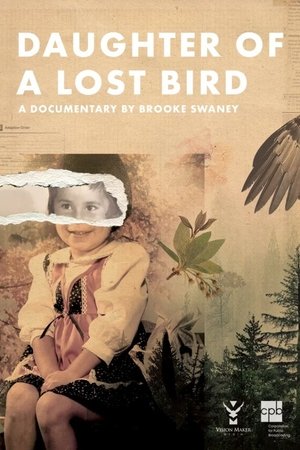
What does blood have to do with identity? Kendra Mylnechuk, an adult Native adoptee, born in 1980 at the cusp of the enactment of the Indian Child Welfare Act, is on a journey to reconnect with her birth family and discover her Lummi heritage.
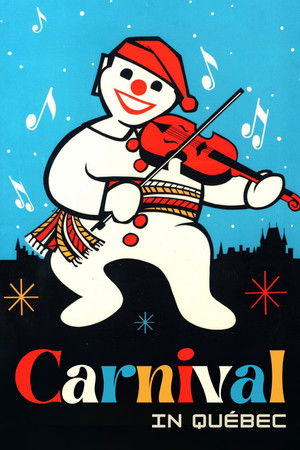
This colorful archival record of Québec City's Winter Carnival shows that many popular events of today—pageants, parades, boat races, folk dancing, fireworks, and torchlight skiing—were also favorites many years ago.
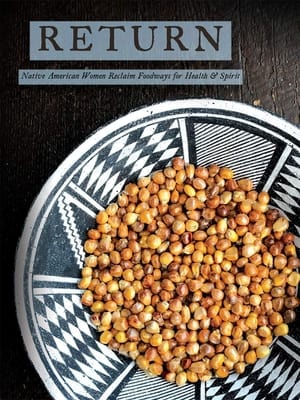
Concerned about the declining health of people all around them, Native American women are sparking physical and spiritual rejuvenation through reclaiming traditional foodways.
The remains of more than 10,000 Native Americans unearthed at archaeological sites across the U.S. are in the possession of museums such as the Smithsonian. Is the analysis of the bones valid scientific research, or is it a desecration of Native American culture? This program focuses on the tensions between scientists, historians, and museum curators and Native American groups, as the bones take on a central role in a war of alternate perspectives. In examining this debate, the program provides an excellent survey of Native American archaeology in the U.S. A BBC Production.
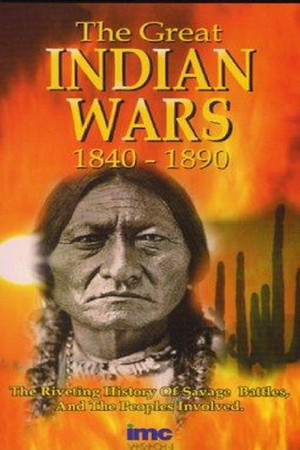
Documentation of the encroachment of European settlers upon Native American lands and the violent reaction of the Indians in their struggle to survive.
We get up close and personal with Steven Paul Judd, the dynamic and bold 21st century renaissance man. This self-taught artist’s love for pop culture and Native American art has given him a massive following. This insightful portrait shows how Judd indigenizes the popular everyday to allow our young to see themselves in all aspects of life, while at the same time making his own dreams a reality through his passion and zest for life.
Thirty years after the Oka Crisis, a fragile peace remains in place between the Mohawks of Kanesatake and the other residents of the region. Rappers Biz and Samian do a double take on the history of this longstanding territorial conflict.