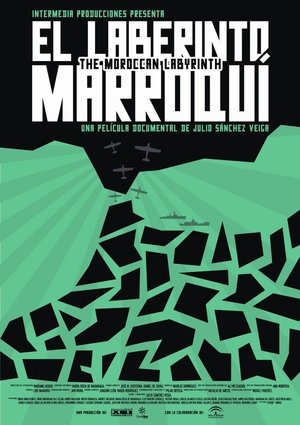
The Moroccan Labyrinth
Presos del silencio
Cautivos en la arena
Cantata de la guerra civil
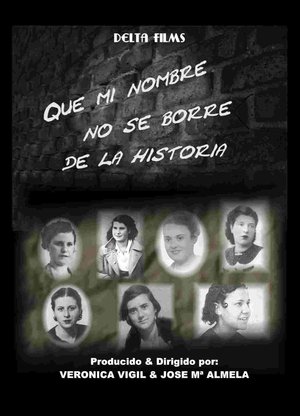
Que mi nombre no se borre de la historia
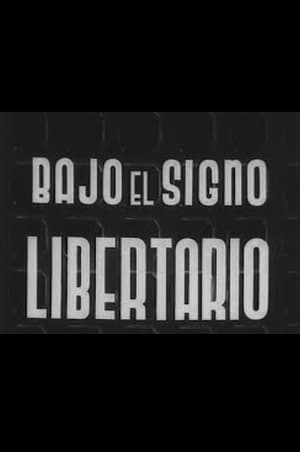
Bajo el signo libertario is a propaganda documentary, with the script and direction of Les (known for his articles in Solidaridad Obrera and the magazine Espectáculo) whose central theme is the reconstruction of the development of life in a libertarian community in the Aragonese town of Pina de Ebro.
Documentary about the Spanish Civil War and its subsequent consequences on the country's society, featuring testimonies from various figures, interviews, and significant photographic and audio documents.
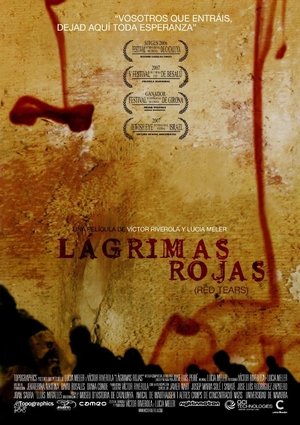
Lágrimas rojas
The Spanish journalist Manuel Chaves Nogales (1897-1944) was always there where the news broke out: in the fratricidal Spain of 1936, in Bolshevik Russia, in Fascist Italy, in Nazi Germany, in occupied Paris or in the bombed London of World War II; because his job was to walk, see and tell stories, and thus fight against tyrants, at a time when it was necessary to take sides in order not to be left alone; but he, a man of integrity to the bitter end, never did so.
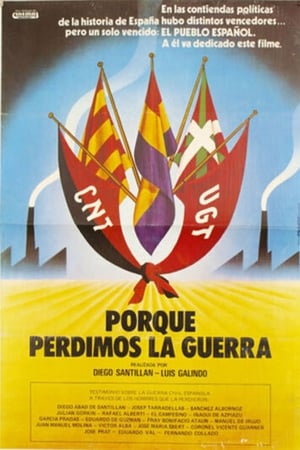
A documentary about how Republican forces lost to Franco in the Spanish Civil War.
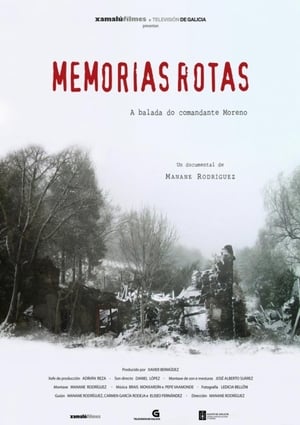
An audiovisual chronicle of the Spanish Civil War in Galicia. Memorias Rotas centers on a group of republican fighters leaded by Commander José Moreno. The group disappears as they fail trying to escape by sea in the border between Galicia and Asturias and nobody ever knows about them.
La Era
A story to honor actor-singer-activist Paul Robeson and his contributions to today's social climate and inspire new generations to engage in the ongoing fight for justice and equality.
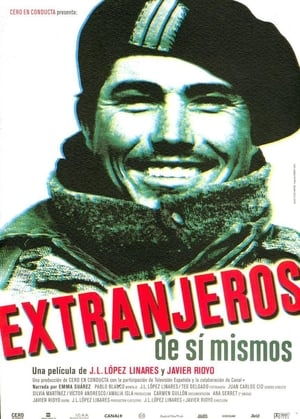
Extranjeros de sí mismos
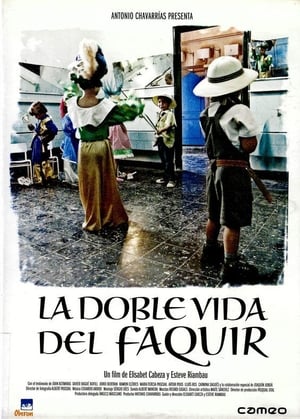
La doble vida del faquir (The magicians) returns to the scene of a school in the Catalan town of Sant Julià de Vilatorta where, in 1937, in the midst of civil war, a film-maker in hiding and a group of orphaned children dressed up as sultans and explorers shot an exotic adventure film. The films protagonists relive those childhood days when they were able to switch their school smocks for oriental turbans, while reality imposed its own fancy dress ball with military uniforms and priests dressed in civilian garb.
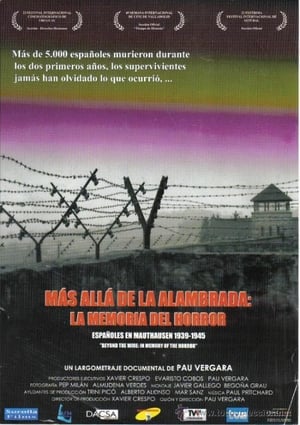
Más allá de la alambrada: la memoria del horror
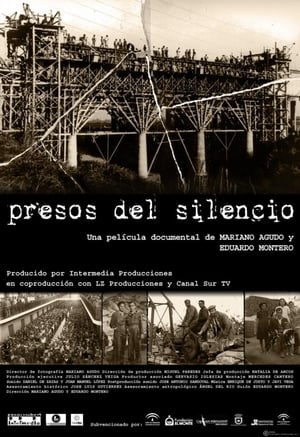
In the mountains of Madrid, Spain, a railway track on an abandoned bridge and a poem erased from the wall of a ruined building reveal a deliberately silenced story: the system established by Franco's dictatorship after the civil war (1936-39) that allowed hundreds of companies to use thousands of convicted Republicans as slave labor.
Agustina González. La zapatera que miraba a las estrellas
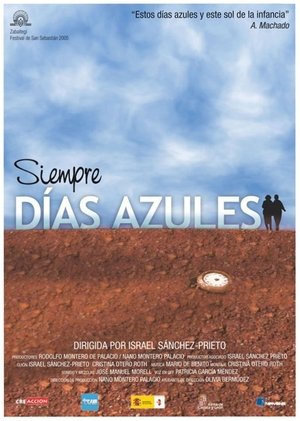
Siempre días azules
Brigadistas