During the Spanish Civil War (1936-1939) and the Second World War (1939-1945), around three thousand people managed to elude their pursuers, and probably also avoided being killed, thanks to the heroic and very efficient efforts of the Ponzán Team, a brave group of people — mountain guides, forgers, safe house keepers and many others —, led by Francisco Ponzán Vidal, who managed to save their lives, both on one side and the other of the border between Spain and France.
A documentary about the life of a female inmate named Ria Megawati, often called IOT. Once known as the most problematic prisoner in Bandung Women’s Prison, she has since transformed into a better version of herself by immersing in artistic practices such as painting, batik-making, and songwriting. Art ultimately becomes her way out of a dark past, and a vessel for expressing emotions long kept inside.
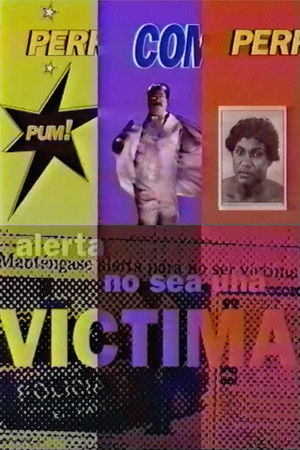
Experimental documentary about the Venezuelan prison Retén de Catia.
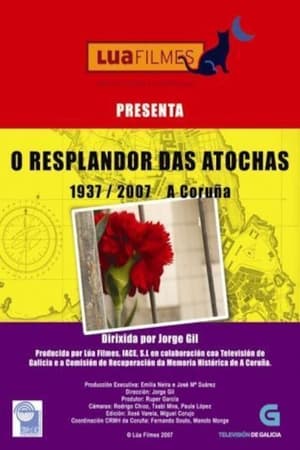
The memory of a defeat, a barbarism: the destruction at the dawn of the civil war of people who fought for freedom, a group of anarchists from A Coruña located in the Atochas area. Through valuable witnesses and historical images a reconstruction of a metaphorical episode in the history of the country. This projection is made in collaboration with its author and the Commission for the Recovery of Historical Memory.
For decades, the name of the Valencian anarchist César Orquín Serra responded to that of one of the 7,251 Spanish republicans deported to the Nazi concentration camp of Mauthausen-Gusen between 1940 and 1945, although the controversy surrounding his role as Chief of Kommando pursued him with the survivors, divided between those who highlighted his actions to help the survival of his men and those who accused him of collaborating with the SS.
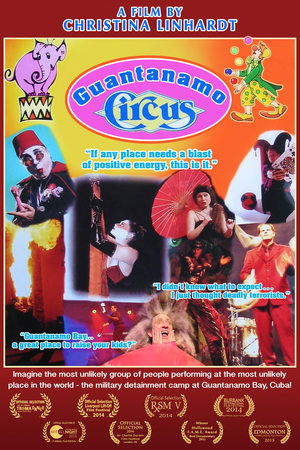
A surreal look at the day-to-day life of American soldiers stationed in Guantanamo Bay, Cuba through the eyes of a traveling circus troupe cleared to perform there.
A documentary overview of the life of Salvador Seguí, also known as El noi de Sucre, his anarcho-syndicalist tendencies and his relation to the CNT
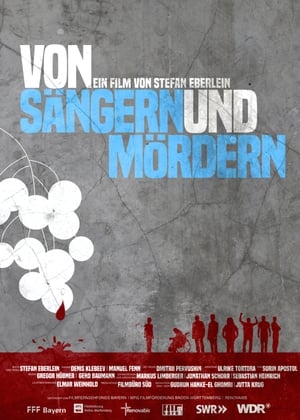
The documentary depicts the remarkable phenomenon of the national competition Kalina Krasnaya, organised with a flourish in which the convicts from all over Russia sing their way to victory with songs about longing, war, love and forgiveness.
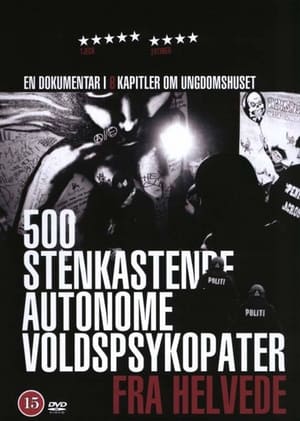
"For Sale! Including 500 violent stone throwers from Hell", was the message from the controversial squat 'Ungdomshuset' in Copenhagen, Denmark. The film takes a balanced look behind the barricades and follows the definitive last year in the life of the squatters before all was demolished in March 2007 and riots broke out in Copenhagen.
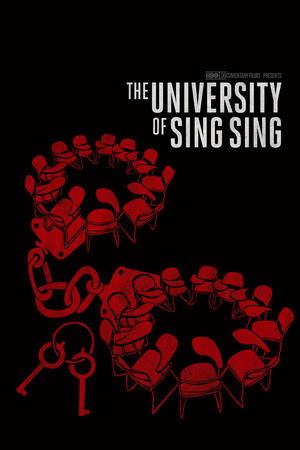
An inside look at the notorious Sing Sing Correctional Facility, where one of the U.S.’s only in-prison college programs, Hudson Link, offers long-time inmates an education – and a new lease on life.
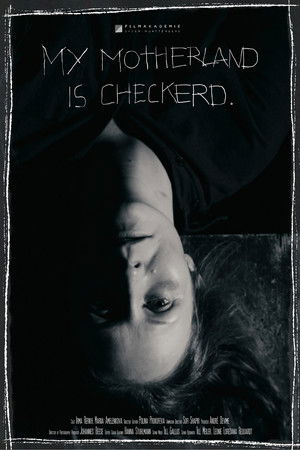
In a mix of 2D animation and live action, through their voices and acting, two actresses recount the lives of imprisoned women that opposed the Russian Regime and their emotional stories of suffering and anguish.
The German punk band "Terrorgruppe" was found in 1993 and broke up in 2005. The band was essential for the developement of German punk. Songs like "Keine Airbags für die CSU" or "Mein Skateboard ist wichtiger als Deutschland" inspired a whole generation of punks and anarchists. This documentary portraits the band's history from 1993 to 2005.
Follow the daily lives of several quilters inside the sewing room at South Central Correctional Center, a Level 5 maximum-security prison in a small town two hours south of St. Louis, MO. From design to completion, the men reveal their struggles, triumphs, and sense of pride in creating something beautiful in this windowless, sacred space deep within the prison walls.
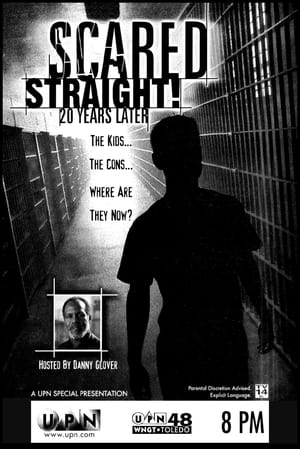
Adults meet up with the people who changed their lives twenty years ago by confronting them about their lifestyles as teenagers.
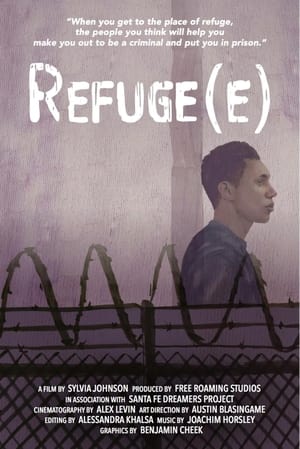
Refuge(e) traces the incredible journey of two refugees, Alpha and Zeferino. Each fled violent threats to their lives in their home countries and presented themselves at the US border asking for political asylum, only to be incarcerated in a for-profit prison for months on end without having committed any crime. Thousands more like them can't tell their stories.
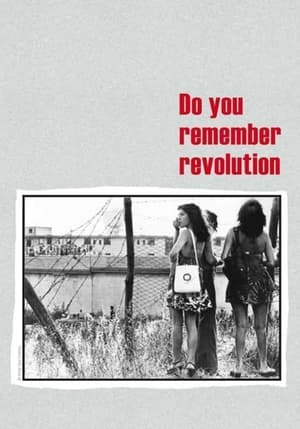
In Italy, in the mid-seventies, Adriana, Barbara, Nadia and Susanna were 20 years old when they decided to join the armed struggle and leave behind their social life and their families in order to make the revolution the center and the aim of their existence. Today they have returned after many years in prison, and they try, each one of them, to recount their own experiences. They speak about the political reasons which initially sustained them, the conflicts, the doubts, and the moments of being torn apart which market out their lives as women caught up in the vortex of war. A course of events which ended in the condemnation of the armed struggle and the pain of the lives that were destroyed – their victims’ lives and their own.
A convicted felon builds a feminist movement from behind bars at an all-male prison in Soledad, California.
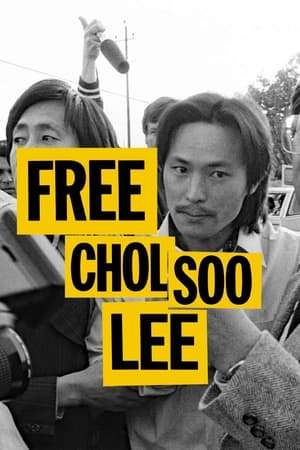
On June 3, 1973, a man was murdered in a busy intersection of San Francisco’s Chinatown as part of an ongoing gang war. Chol Soo Lee, a 20-year-old Korean immigrant who had previous run-ins with the law, was arrested and convicted based on flimsy evidence and the eyewitness accounts of white tourists who couldn’t distinguish between Asian features. Sentenced to life in prison, Chol Soo Lee would spend years fighting to survive behind bars before journalist K.W. Lee took an interest in his case. The intrepid reporter’s investigation would galvanize a first-of-its-kind pan-Asian American grassroots movement to fight for Chol Soo Lee’s freedom, ultimately inspiring a new generation of social justice activists.
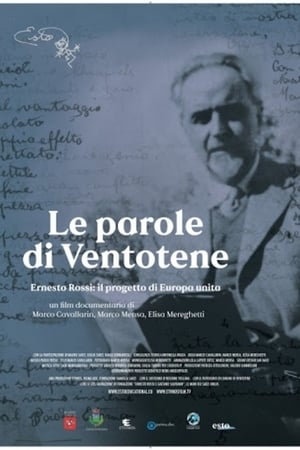
The film focuses on Ernesto Rossi (1897 – 1967), who was imprisoned by the fascist regime between 1930 and 1943 for his political ideas. Exiled on the island of Ventotene, he co-authored the Ventotene manifesto.
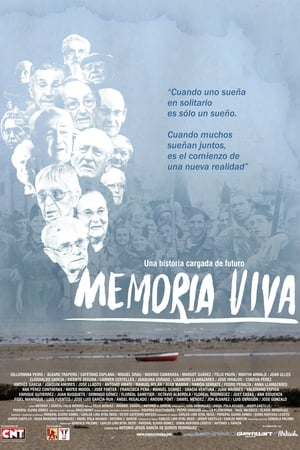
The Living Memory Project began back in 2009 on the 70th anniversary of the end of the Spanish Civil War with the recording of the event, organized in Paris to the Spanish Exiles and the victims of the Nazi extermination camp of Mauthausen. Our goal thereafter focused on collecting the greatest possible number of testimonies related to the history of Spanish anarcho-syndicalism. As part of the celebrations of 100 years of CNT we set up the project, the union decided to fund it and we set off . We travelled 12,000 km visiting three countries relying on the logistical support of CNT and selfless work of their members as well as partners Malicious Films GuerrillART. This is the result: 80 hours worth of records, 300 hours worth of testimony in timing and transcription meant for reference purposes at the Anselmo Lorenzo Foundation and 0 actors. Written by Antonio J. García de Quirós Rodríguez