Four-time Emmy winner John Kastner was granted unprecedented access to the Brockville facility for 18 months, allowing 46 patients and 75 staff to share their experiences with stunning frankness. The result is two remarkable documentaries: the first, NCR: Not Criminally Responsible, premiered at Hot Docs in the spring of 2013 and follows the story of a violent patient released into the community. The second film, Out of Mind, Out of Sight, returns to the Brockville Mental Health Centre to profile four patients, two men and two women, as they struggle to gain control over their lives so they can return to a society that often fears and demonizes them.
A look at the prison breakout of Richard Matt and David Sweat from Clinton Correctional facility, as well as a look back at some of the most daring and ingenious prison breaks in American history.
Insight Prison Project, winner of the San Francisco Foundation 2005 Community Leadership Awards (John R. May Award) - for its dedication to breaking the cycle of incarceration through effective in-prison rehabilitation programming, and for being a model for catalyzing statewide prison reform.
Errol Morris examines the incidents of abuse and torture of suspected terrorists at the hands of U.S. forces at the Abu Ghraib prison.
Pete and Toshi Seeger, their son Daniel, and folklorist Bruce Jackson visited a Texas prison in Huntsville in March of 1966 and produced this rare document of of work songs by inmates of the Ellis Unit. Worksongs helped African American prisoners survive the grueling work demanded of them. With mechanization and integration, worksongs like these died out shortly after this film was made.
71 years in the making, this feature documentary experience reveals the extraordinary life journey of Hollywood's most unlikely hero, Danny Trejo.
Documentary about four maffia-like friends based in Amsterdam.
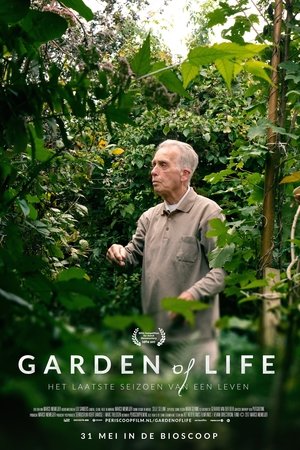
This is the story of a vegetable garden, from the first seeds to the harvest. But this garden is different, because here the gardener has decided to banish pesticides and other chemicals, and to be helped only by discreet workers, the insects. As we dive into the heart of this plant kingdom, we discover thousands of tiny lives that organize themselves as in a micro-society: decomposing insects, recyclers, pollinators, the workers of the garden work to maintain a fragile balance within the vegetable garden. As the plants grow and begin to produce their first vegetables, the incredible interactions between insects and plants help protect the future harvest. But it is also their personal stories that punctuate the life of the garden. Between parades, mutual aid and attempted putsch, the story of the vegetable garden thus takes the form of a true nature tale.
The Big One is an investigative documentary from director Michael Moore who goes around the country asking why big American corporations produce their product abroad where labor is cheaper while so many Americans are unemployed, losing their jobs, and would happily be hired by such companies as Nike.
Narrated by Uncle Jack Charles and seen through the eyes of Indigenous prisoners at Victoria’s Fulham Correctional Centre, this documentary explores how art and culture can empower Australia's First Nations people to transcend their unjust cycles of imprisonment.
Set entirely inside Folsom Prison, The Work follows three men during four days of intensive group therapy with convicts, revealing an intimate and powerful portrait of authentic human transformation that transcends what we think of as rehabilitation.
Chris Packham and a team of wildlife experts follow five suburban gardens over a year, uncovering hidden wildlife dramas, and a vast cast of creatures battling for survival.
Out of State is the unlikely story of native Hawaiians men discovering their native culture as prisoners in the desert of Arizona, 3,000 miles, and across the ocean, from their island home.
Do humans have the right to judge and kill other humans? This program includes a history of capital punishment around the world through documentary footage and commentary. The electric chair, firing squad, hanging, poison gas, beating to death, slow execution, crotch-splitting, iron maiden, guillotine, execution by running, and beheading... It features a military execution in a South American country, obtained from a former prison officer. It also includes footage of the reality of life in Japanese prisons, death row inmates facing death, the parents of death row inmates, the families of their victims, and the gallows.
Chennu committed his first crime when he was 15 years old: being a street kid. And he entered hell: Pademba Road. The adult prison in Freetown. In hell, Mr. Sillah is in charge, and there is no hope. Chennu got out after four years. Now he wants to go back.
The lives of the late Bradford playwright Andrea Dunbar and Lorraine, one of her daughters, and the community of Bradford, in the 30 years since the 18-year-old Andrea penned a play about growing up in the community titled "The Arbor".
This video, The Road to Mass Incarceration, by Greenhouse Media summarizes criminal justice policy decisions dating back to the 1960s. Although the effects often took decades to manifest, each of these policy shifts increased the rate of incarceration in the U.S. The video ends with many of the architects of these changes, Democrats and Republicans alike, admitting the failure of these policies and suggesting that it is time for real change.
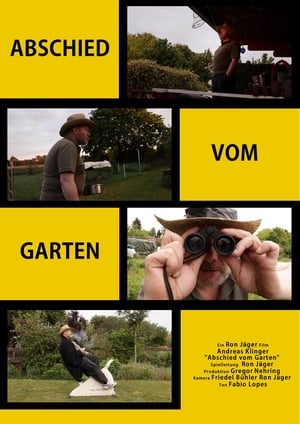
The early retired Gert spends the last summer in his garden, a place that has become a real home for him. The garden will be demolished to create a shopping center on its grounds. The only thing Gert can do is remember memories of happy times he spent with his family in the garden.
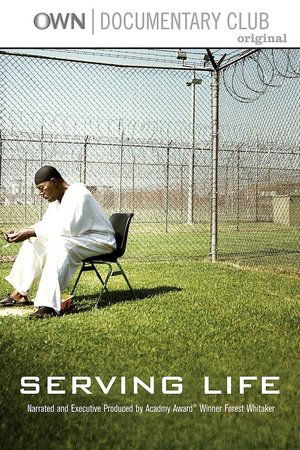
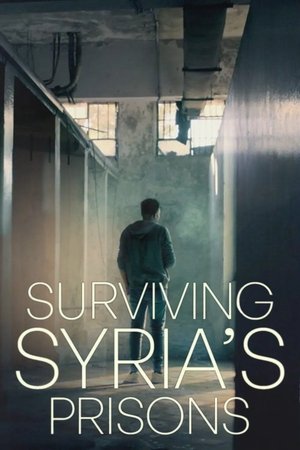
Today, you're more likely to go to prison in the United States than anywhere else in the world. So in the unfortunate case it should happen to you - this is the Survivors Guide to Prison.
"El Rati Horror Show" is a documentary that portrays the dramatic story of Fernando Ariel Carrera, the case of an ordinary man wrongly sentenced to thirty years in prison - not by mistake but deliberately - through the manipulation of a judicial case in Argentina. The film takes as its central point the way in which Fernando Carrera's case was fabricated: the manipulation and alteration of evidence at the scene of the crime; the manipulation of all national media by Rubén Maugeri, key witness to the events and president of the Association of Friends of Commissary 34. On the other hand, it shows how Fernando Carrera leads his daily life in prison.