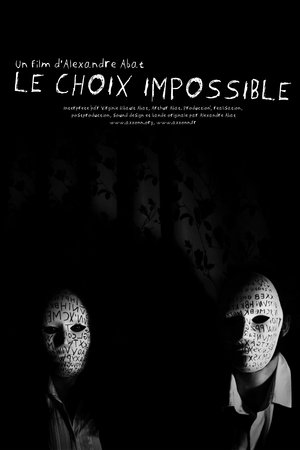
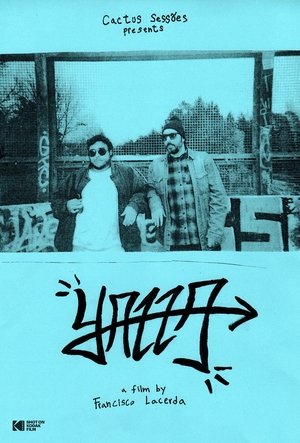
An experimental film that explores the minds of a teenage couple experiencing an unintended pregnancy and their struggles with social pressure, discrimination, and abuse.
When a young girl attempts to shoplift an old blind box figure from a collectibles store, the shopkeeper’s seductive wife takes an interest in her.
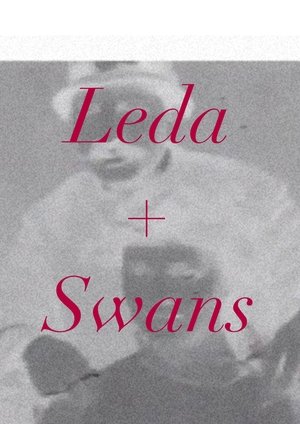
“Leda + Swans” depicts an infernal, mythic birth of cinema, dredging the violence and horror from Wallace McCutcheon’s comic short film “Photographing a Female Crook” (1904). Leda, who may or may not be a falsely accused young woman, is brought in for a mugshot by two officers. She first attempts to avoid the camera’s gaze, and, when overpowered and manhandled, contorts her face to ruin the photograph. However, her small rebellion proves futile; she was already being recorded, objectified, mapped, and co-opted by the Godhead of the director. As her body and image are repurposed and transmuted ad infinitum, the filmic universe also explodes into a supernova. What is born out of this suffering and manipulation is another example of our sublime medium and modern muse. She will not be last the Leda, and she may not even be the first. Who is the guilty party here? Is beauty a chimera in traditional cinema? Has the ephemeral cinema of the attractions and distractions era gone anywhere?
Alma is at home, on the line with her girlfriend, when suddenly the light bulb in the hallway burns out, forcing her to face a certain dark corridor in her life.
Echoes from the Cinema Novo, stylized in photographic compositional experiments and montage, in the encounter of a migrant woman with a man carrying a rifle in the streets of the big city.
This experimental short film explores the reconstruction and recollection of traumatic events through fragmented memories, using a non-linear narrative and a layered visual approach. The film emphasizes the penetration of montage, with an anarchic and chaotic tone that reflects both fun and disorder. The film brings to life concerns about how a woman moves, how she speaks, dreams, and how she is stripped of her inherent qualities by a society which continues to sexualize and harmfully perceive her. It visualizes a recollection of thoughts, dreams and memories, symbolically intertwining the characters experiences of their conscious with their subconscious.
A family decides to visit their clan God to cure their daughter, thought to be possessed because she is in love with a man from a different caste. The journey, accompanied by her betrothed, unveils tensions between tradition and personal freedom, exposing her silent rebellion.
Following over two dozen different individuals in the almost wordless atmosphere of a dark night in a Brussels town, acceptance and rejection in the realm of romance is examined.
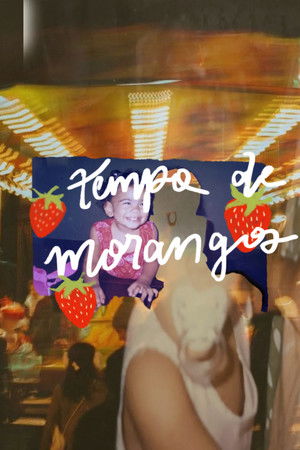
tempo de morangos
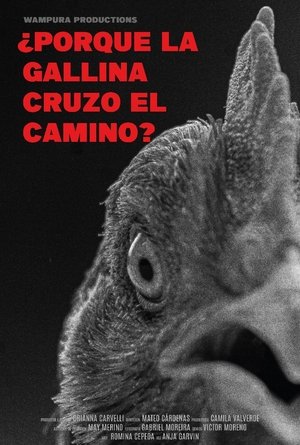
A hen questions the meaning of her life on a farm.
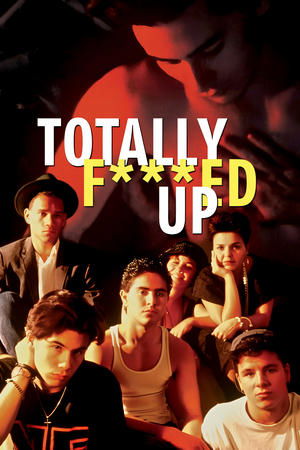
Gay, alienated Los Angeles teens have a hard time as their parents kick them out of their homes, they don’t have money, their lovers cheat, and they are harassed by gay-bashers.
Lou is a young man in trouble who becomes paranoid because of the pressure of two mysterious judges.
A young Australian rugby player, patriot, and fan experiences a premonition. An impending oblivion punctures the lungs planted by collective identity, shallow pools, and deified humans—one oblivion unveils another—. Akin to Australian rugby players themselves, the titular figure and his vision represent not just rugby but our country's values and cultural epicentre of sport more broadly.
Born from steel and glass Kino Kopf is created by two inventors. They are assembled by their mother, a nurturing artist, and their Father a greedy entrepreneur. Kino Kopf is the first of its kind a sentient humanoid VHS camera. They are given a life by their mother but presented to the world by their father. Kino Kopf is the next big sensation and spurs a technological revolution. They are soon forgotten and alone as new models surpass them. Kino Kopf is left alone to contemplate if they ever had a soul, as visions of an electric cowboy dance through their dreams.
Sometimes you’re at home with a friend and you tell them that if you don’t leave you’ll be late and the response is a crazy, unexpected and utter frenzy.
Journey through time filmed through the years of the eyes of Geovrz and through the light of experimental cinema
In a last-ditch effort to save earth, a man sacrifices himself and is forced to relive a series of suppressed memories that become smeared by the detonation of a stellar bomb. This paranormal explosion of thoughts begin to blur the lines between reality and fiction; the only way out is forward.
When Aziza finally shares a recurring dream, it’s what she leaves unsaid that reveals her fractured sense of self. Aziza’s dream – in which she must sing a song – takes her on a journey through the post-industrial hills of the American Rust Belt, the eternal fields of Egypt, and the most repressed parts of her mind.
Four people walk. One runs. In a house, someone loses their vision. A study on time and the break of the cinematographic wall of "truth".
A poetic and experimental short film by Arin Paul, Let Me Call You, Ritwik Da pays tribute to Ritwik Ghatak, inspired by a poem by director John Abraham. Blending evocative imagery and voice-over, it explores Ghatak's legacy.