From his Memphis studio, Ernest Withers’ nearly 2 million images were a treasured record of Black history but his legacy was complicated by decades of secret FBI service revealed only after his death. Was he a friend of the civil rights community, or enemy—or both?
Shot in part at 10,000 feet at Gross Reservoir in Colorado over a span of 12 years, this short film, featuring the indomitable Rennie Harris, shares a dreamscape glimpse into the vernacular dance form, hambone, or “Patin’ Juba.” This work positions the powerful resilience of the Black male body in the face of white surveillance and the survival and evolution of the dance/music form of hambone within and beyond the histories of enslavement.
As beautiful and sleek as it is deadly, 52 Blocks merits special conservation efforts as the United States' only existing native martial culture, as it is indeed, the jazz of the martial arts world. Across the African diaspora, there are manifestations of African-derived warrior-dances, capoeira in brazil, mani in Cuba, ladja in Martinique, pinge in Haiti- yet the US offshoot has remained esoteric, because it was suppressed throughout slavery, Reconstruction and Jim Crow and then obscured in the criminal justice system. The history, interviews and training of the martial arts style that created Breakdance and boxing greats like Mike Tyson.
A collection of personal anecdotes from those who have navigated through a tumultuous year in America.
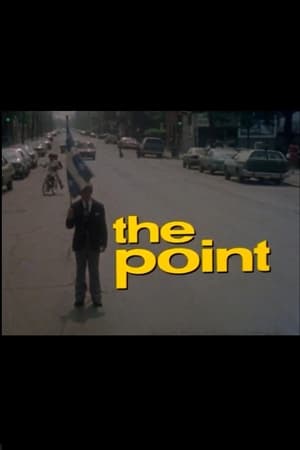
This documentary is a portrait of Point St. Charles, one of Montreal’s notoriously bleak neighbourhoods. Many of the residents are English-speaking and of Irish origin; many of them are also on welfare. Considered to be one of the toughest districts in all of Canada, Point St. Charles is poor in terms of community facilities, but still full of rich contrasts and high spirits – that is, most of the time.
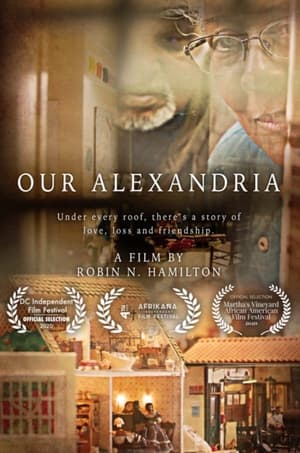
Two artists from Alexandria, Virginia, revisit the town’s segregated past and tell the story of family, friendship, loss, and love through historical dollhouses.
A 1980 documentary on the historic Brooklyn neighborhood.
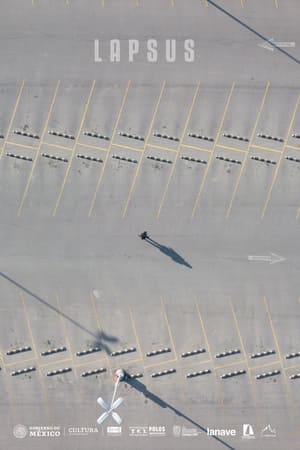
The relationship between the city and a car, through a dialogue where a common reality and "making a city" are disputed and revealed.
The Black Contribution – Literature and Theater 1978 is a rare documentary highlighting the voices and cultural impact of African American writers and performers during the civil rights era. Introduced by NAACP leader Benjamin Hooks and narrated by Roscoe Lee Brown, the film weaves together dramatic readings, theatrical excerpts, and candid urban street footage. Margaret Walker’s poem For My People is performed alongside scenes of daily Black life in New York City — children playing, families on stoops, open fire hydrants, and the realities of poverty in 1970s neighborhoods. James Baldwin appears in interview footage, while signs for his play The Amen Corner and stage excerpts from Lorraine Hansberry’s A Raisin in the Sun underscore the powerful presence of Black voices in American theater. With rare shots of Harlem life, literature, and performance, this film documents the enduring contributions of African American artists to U.S. culture and history.
When the Civil War ended in 1865, more than four million slaves were set free. Over 70 years later, the memories of some 2,000 slave-era survivors were transcribed and preserved by the Library of Congress. These first-person anecdotes, ranging from the brutal to the bittersweet, have been brought to vivid life in this unique HBO documentary special, featuring the on-camera voices of over a dozen top African-American actors.
Through intimate stories and day-to-day routines we get a naturalistic glimpse into the lives of individuals with disabilities in the bustling urban landscape of São Paulo. The film captures personal moments and how modern societies confront (or fail to confront) ableism and inclusion.
A small urban city with a gargantuan wealth of history, contributions, and changes. From the steel industry, music, politics, education, and sports; Gary, Indiana has made its mark on the region, state, and country. With all of the richness found in this jewel in northwest Indiana, why has it declined economically and will it become "City of the Century" as it was previously?
An urban symphony about all the evils that affect contemporary societies.
In October 1995, Forbach witnessed one of the most violent strikes in the history of contemporary France. A thousand or so miners took to the streets for a merciless struggle against a reform in their rights. Twenty years after the mines shut down, people’s will to fight is still alive, just hidden away somewhere.
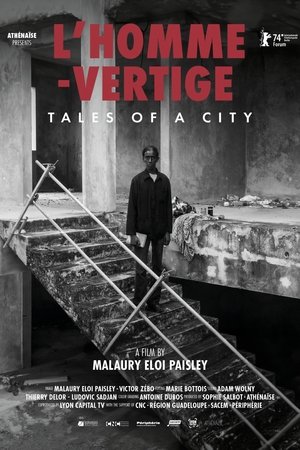
Apartment blocks with no future are being torn down in Pointe-à-Pitre, Guadeloupe. Malaury Eloi-Paisley follows those lost in the city through the empty streets. Their accounts form a valuable commodity, circulating in carefully developed relationships.
Snowflakes at the End of the World offers a meditation on the beauty and ugliness of Montreal winter, and invites critical reflection on the relationship between humans and nature.
In 1899, a photographer at American Mutoscope & Biograph mounted his camera on the front of a trolley traveling over the Brooklyn Bridge. The three 90-foot rolls he created were edited together to complete the journey from Manhattan to Brooklyn, entitled Across the Brooklyn Bridge. As a commission by the Museum of Modern Art for the re-opening of their facility, American avant-garde filmmaker Bill Morrison took this remarkable footage and recombined it with itself to form a new split-screen extrapolation.
VALKYRIES
A short documentary about a man, his legacy and his impact on the world.
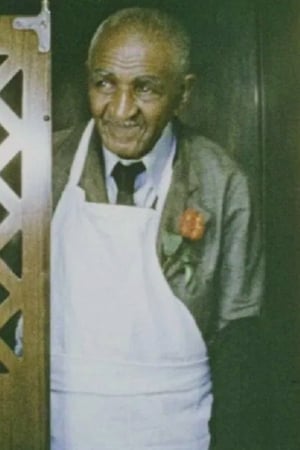
Color footage of inventor George Washington Carver at Tuskegee University in Alabama. Dr. Carver is filmed at his apartment, office, laboratory, and garden.