Oasis Knebworth 1996 - the eagerly anticipated feature length documentary telling the story of the special relationship between Oasis and their fans that made the largest concert of the 90's possible, directed by Grammy Award-winner Jake Scott. It is told entirely in the moment through the eyes of the fans who were there, built around extensive and never before seen archive concert and backstage footage from the event, with additional interviews with the band and concert organisers. Also included are the full concerts from both nights, edited by Dick Carruthers with audio mixed by Will Shapland in 5.1 surround sound.
A film about the Tibetan Freedom Concert in San Francisco in 1996.
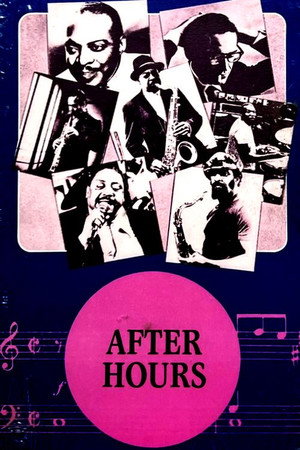
Documentary exploring the meaning and history of cool through the American music that started in the 1940s in the bars of New York and LA, and became known as cool jazz.
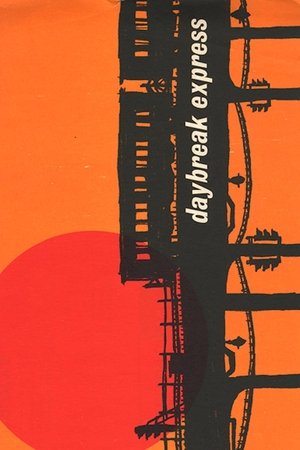
Set to a classic Duke Ellington recording "Daybreak Express", this is a five-minute short of the soon-to-be-demolished Third Avenue elevated subway station in New York City.
This Emmy-nominated TV special highlights rare performance footage filmed between 1968 and 1969 at various US venues and locations, including the Westbury Music Fair, The Village Gate, and RCA Studios in New York City. Also featured are candid and personal interviews with Nina herself, revealing her unique views on music and life -- all expressed with her trademark intensity.
Jo; or The Act of Riding a Bike is Zefier's third film.
During the summer of 1980, the American jazz concert pianist Kazzrie Jaxen writes a 16 pages long letter to director Ingmar Bergman. His film 'From the Life of the Marionettes' have sent her on a dramatic inner journey, making her realize that she is not alone in her own body.
In a remote area of northern Spain, the wind has a name: Tramuntana. Tramuntana takes what it wants—clothes, trees, boats, and the people of the landscape who live with the endless threat of being carried away by its force. This film is a lyrical portrait of this furious wind, woven from the stories passed down by local villagers.
Chronicles the extraordinary rise of Haitian-American jazz singer Cécile McLorin Salvant, anchored by a pristine recording of a live concert.
A chronological look at the life and career of jazz musician, composer, and performer Dave Brubeck (1920-2012 ), presented through contemporary interviews, archival footage of interviews and performances, and commentary by family, fellow musicians, and aficionados. Emphases include his mother's influence, his wife's invention of college tours, his skill as an accompanist, the great quartet (with Desmond, Morello, and Wright), his ability to find musical ideas everywhere, his orchestral compositions, his religious conversion, and his unflagging sweet nature.
The horses in Denys Colomb Daunant’s dream poem are the white beasts of the marshlands of the Camargue in South West France. Daunant was haunted by these creatures. His obsession was first visualized when he wrote the autobiographical script for Albert Lamorisse’s award-winning 1953 film White Mane. In this short the beauty of the horses is captured with a variety of film techniques and by Jacques Lasry’s beautiful electronic score.
A flock of memories activated by various musical exercises, to strike the past to the heart, to build something utopian: the future, a sonic architecture. Music as a tool, transcriptions of YouTube tutorials as poetry, percussion exercises as descriptions of reality.
In the late 1990s, iconic photographer Bruce Weber barely managed to convince legendary actor Robert Mitchum (1917-97) to let himself be filmed simply hanging out with friends, telling anecdotes from his life and recording jazz standards.
A documentary that goes inside the dark, witty, surreal world of cult English singer/songwriter Robyn Hitchcock.
An experience of a camera swinging in different gestures facing the optical distortion of the Sun. The last appearance of the smudge.
Life is what we don't want it to be.
Stories and music of Black artists who relied on an underground travel guide to navigate the injustices of racial segregation while on the road. The Negro Travelers’ Green Book was a directory of lodgings, restaurants, and entertainment venues where African Americans were welcomed. Features performances and interviews with vocalists, musicians, activists, historians, and others.
Made in Japan, Last Room is both fiction and documentary. The occupants of the love-hotels and capsule-hotels tell their own intimate, dreamlike stories, interspersed with journeys through the archipelago's landscapes. Soon, these personal stories resonate with a collective history: that of Gunkanjima, the abandoned ghost island of Nagasaki, and then that of Japan as a whole.
British progressive rock band Pink Floyd perform at the ancient Roman Amphitheater in the ruins of Pompeii, Italy in 1971. Although the band perform a typical live set from the era, there is no audience beyond the basic film crew.
Toshio and Shizuko Omiro, both over seventy years old, have lived in Kawasaki, Japan since 1981. With their free-spirited lifestyle, the improvisaton duo continues to pursue their vision of changing the world into a more peaceful one in an inappropriate and unseemly way.