On November 15, 1938 the steamship Dalfram berthed at No. 4 jetty Port Kembla to load pig iron for Kobe, Japan. Ted Roach, Branch Secretary, addressed the men at the labour pick up for the Dalfram. He told the men of the destination of the pig iron and the use of the pig iron in the use of weapons – first to be used against the Chinese and they feared that eventually - against Australia. At 11 am the men walked off the ship declaring they refused to load pig iron for Japan to turn into weapons. It led to an eleven week lock-out, with incredible pressure being applied by the government of the day. On the 11th of January 1939, Robert Menzies Attorney General at the time, came to Wollongong to sort out the dispute. He met with an angry crowd where a lady screamed out Pig Iron Bob for the first time. It lasted his lifetime.
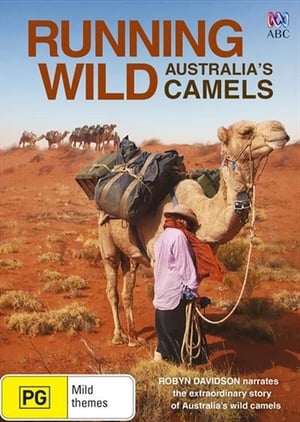
Robyn Davidson, famous for her solo expedition across the west Australian deserts by camel in the 1970s, presents this documentary telling the story of Australia's camels and the people who brought them here.
Packed with drama, high emotions and cliff-hanger moments, Australia Says Yes is the intimate and personal history of struggle and perseverance that propelled Australia to say Yes to marriage equality. The film shows how a group of determined individuals fought tirelessly against unjust laws that treated LGBTIQ people as second-class citizens, creating a movement that saw them go from criminals to legally equal over the course of five decades.
The Ripple Effect is a powerful documentary primarily centred around St Kilda legend and proud Noongar Nicky Winmar's generation-defining stand against racism at Victoria Park in 1993.
For both Aboriginal and non-Aboriginal Australians, Captain James Cook is a figure of great historical significance.
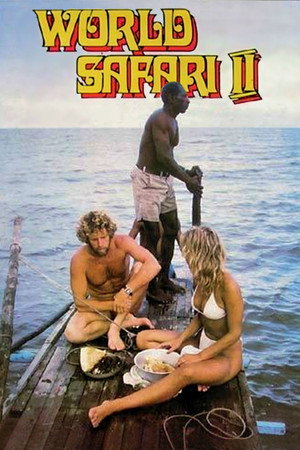
Six years in preparation & three years in filming, World Safari 2 covers one of the largest Australian cattle musters, the wild New Guinea highlands and finally discover the terrorist controlled jungles of South America.
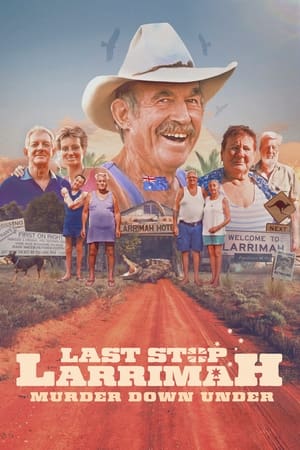
Nestled deep in the Australian Outback is the town of Larrimah and its 11 eccentric residents. When one of them mysteriously disappears into thin air, the remaining residents become suspects and a long history of infighting is unveiled.
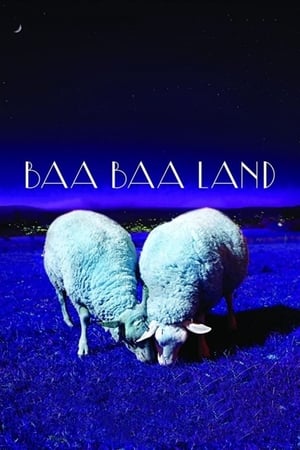
An eight-hour contemplative epic, entirely starring sheep.
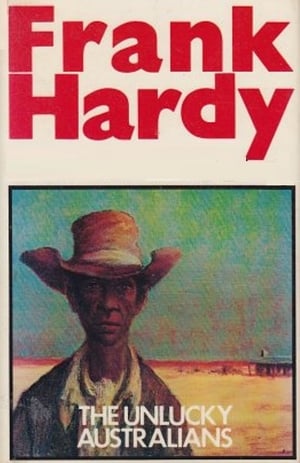
In 1966, Gurindji stockmen & their families walked off the largest cattle station in the NT. Frank Hardy follows the story of the strike as told by the Gurindji people.
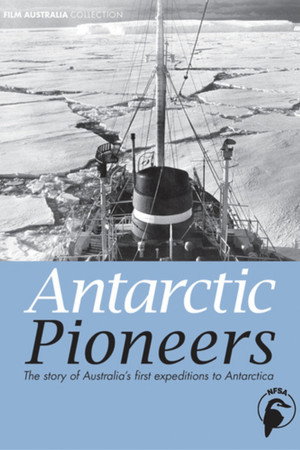
Presented by explorer Frank Hurley in his final film appearance, this documentary chronicles Australia's role in the scientific exploration of Antarctica and the hardships the pioneers endured. Using archival footage, this film spans from 1911, following Sir Douglas Mawson's first expedition, to Phillip Law establishing the continent's first permanent research station in 1954.
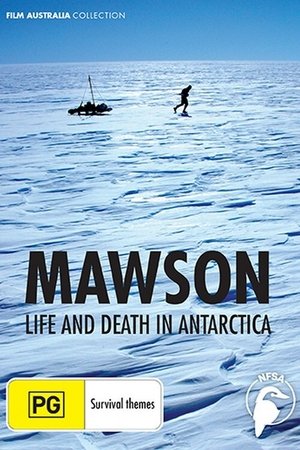
The Douglas Mawson Antarctic Expedition of 1912 is considered one of the most amazing feats of endurance of all time. Although his two companions perished, Douglas Mawson survived, but how? In a bold historical experiment, scientist and adventurer Tim Jarvis is retracing the gruelling experience, with the same meagre rations, primitive clothing and equipment to uncover what happened to Mawson physically — and mentally — as a man hanging on the precipice of life and death.
A story of struggle and tragedy, the film features harrowing underground disasters, heroic rescues and traces a history of strikes, industrial turmoil and the current push by global mining giants to destroy regional communities and replace local mineworkers with a subservient itinerant workforce.
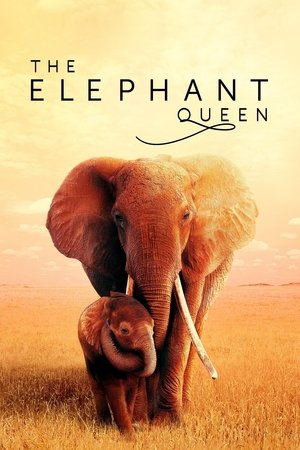
Embark on an epic journey of family, courage, and coming home in this feature-length documentary. Join Athena, the majestic matriarch, as she leads her elephant herd across an unforgiving African landscape filled with vibrant wildlife.
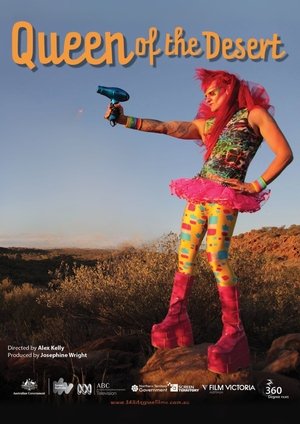
Not only has she got pink extensions, painted on eyebrows, glitter stockings and superman hotpants, Starlady’s a youth worker in some of Australia’s most remote and challenging places. And she reckons that hairdressing can improve people’s lives. Like a real life Priscilla, Starlady takes us on a Queen of the Desert journey to Areyonga, an indigenous community in Central Australia, where she’ll work with a group of curious and cheeky young people.
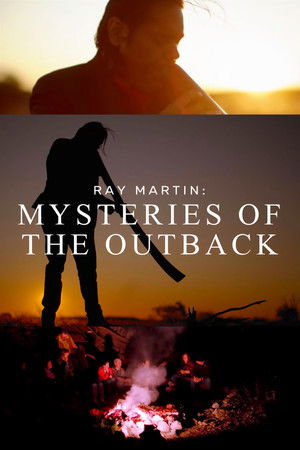
Ray Martin goes on a grand quest to locate a mysterious outback rock formation he spotted and photographed from an airliner 37,000 feet in the air.
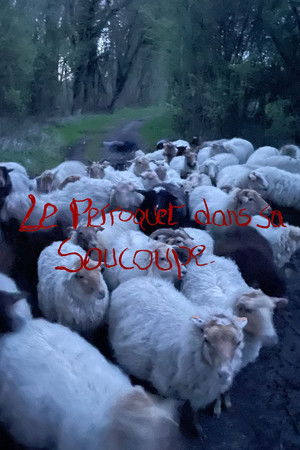
A young shepherd explores his relationship with his pack and questions their future
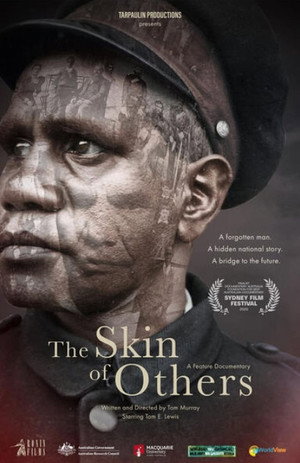
Douglas Grant (c. 1885–1951) was an Aboriginal man who became widely known in his own lifetime: an intellectual, a journalist, a soldier in the First World War, a reader of Shakespeare and a bagpipe player who could hold a convincing Scottish accent. His path ran from Australia to Britain and Europe and back, crossing those of Henry Lawson and Archduke Franz Ferdinand along the way. Balang Tom E. Lewis retraces that life in reflections by turns thoughtful and playful, and through it the longer history of colonial Australia and its relationship with First Nations people.
Set in the North Pennines, an intimate portrait of a year in the life of tenant hill farmers Tom and Kay Hutchinson as they try to breed the perfect sheep.
From Upstate New York farms to Manhattan runways, Farm to Fashion follows natural fibre through the hands of Isabella Rossellini, Donna Karan, Mimi Prober and New York’s farming and textile communities.
Meet Lanz Priestley, a charasmatic homeless man, who owns nothing but a phone and a Facebook page. When Lanz discovers taps have run dry in drought-stricken outback Australia, he raises the money to deliver drinking water himself.