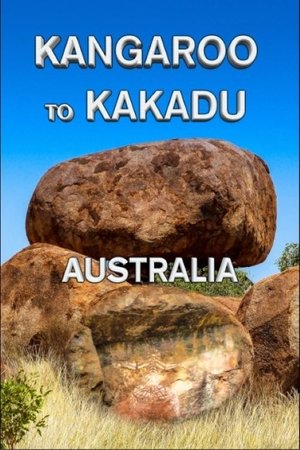
Narrated by Indigenous elder Balang T E Lewis, this inspiring documentary will take you on an adventure to explore the culture and wildlife of Australia’s remote wild north. Far Northern Australia is a land of extremes, from bushfires to torrential floods. Explore the wildlife and meet the people in Australia’s wild top end, from the Kimberley coast through the mysterious Arnhem Land, and deep into the world’s oldest rainforest in Cape York.
This documentary is about the Afghan cameleer who came to Australia more than a century ago, and travelled across some of the harshest parts of the country. The film explores the historic relationship between the desert and Afghani immigrants in Aboriginal Australia by looking at the role they played in the development of the country and how they helped to set up the railway lines, overland Telegraph line and provided supplies to remote mission stations and farms. By the mid–1800s, exploration in Australia was at its peak with expeditions setting out almost monthly. The race to map the continent, locate natural resources or find new places to settle moved away from the coast and further into the inhospitable heart of Australia. It was soon obvious that the traditional horses and wagons used for such expeditions were not suitable in this strange and foreign land.
Robyn Davidson, famous for her solo expedition across the west Australian deserts by camel in the 1970s, presents this documentary telling the story of Australia's camels and the people who brought them here.
Ray Martin goes on a grand quest to locate a mysterious outback rock formation he spotted and photographed from an airliner 37,000 feet in the air.
RODEO ROAD explores the unique cowboy culture of Australia's remote north west in the pursuit of the rodeo dream - eight seconds of bull riding glory. Each year cowboys from across the Kimberley load up their saddles, chaps and wranglers and go rough-riding. Some are born and bred in the saddle, while others are young ringers from over east who come to muster through the dry season. Come rodeo time they are chasing the dream, gripped by the rodeo fever of the wild north west.
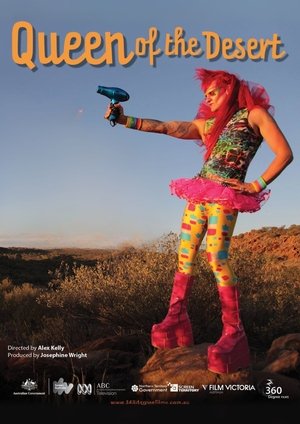
Not only has she got pink extensions, painted on eyebrows, glitter stockings and superman hotpants, Starlady’s a youth worker in some of Australia’s most remote and challenging places. And she reckons that hairdressing can improve people’s lives. Like a real life Priscilla, Starlady takes us on a Queen of the Desert journey to Areyonga, an indigenous community in Central Australia, where she’ll work with a group of curious and cheeky young people.
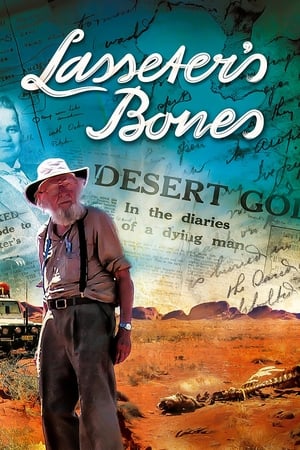
Australia’s El Dorado was found by Lewis Harold Bell Lasseter – if we believe his claims in the late 1800s to have discovered a vast gold deposit in central Australia. This mysterious place has never again been found, and many believe it doesn’t exist. But one thing is certain: Lasseter was a larger-than-life character. Seen by some as an eccentric conman, he was ridiculed for his extravagant assertions, which he held until his tragic end. But Lasseter remains the embodiment of the Australian folk hero, who lived a life full of incredible adventures, tall tales and outrageous claims – including a possible faked death and his insistence that he designed the Sydney Harbour Bridge.
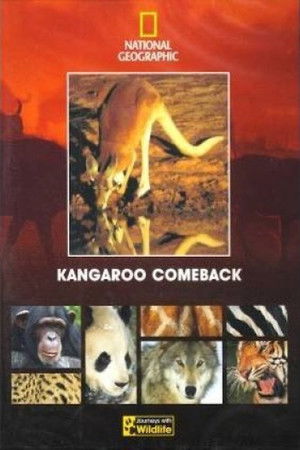
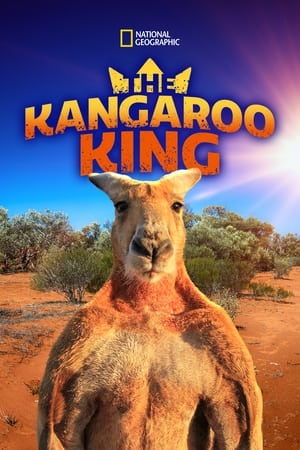
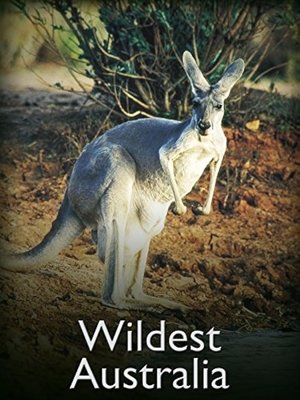
The red kangaroo survives in one of the harshest environments on Earth: Australia’s inland plains. High summer temperatures keep the kangaroos inactive during the day, yet these animals thrive and have adapted to various climates, creating a large network of cousins - more than 50 species in all.
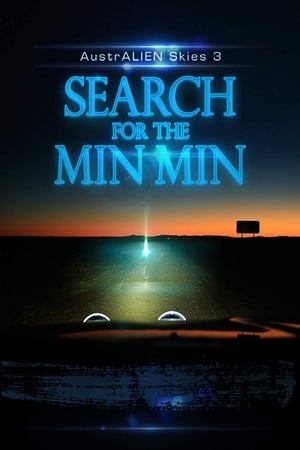
Follow filmmaker Don Meers on a paranormal road trip across the sunburnt landscapes of the Australian outback in hopes of solving one of Australia’s greatest mysteries: the Min Min light.
Fresh off the plane and in need of money, two Finnish backpackers find themselves the latest batch of “fresh meat” sent to work as barmaids at the only pub in a remote Australian mining town.
Meet Lanz Priestley, a charasmatic homeless man, who owns nothing but a phone and a Facebook page. When Lanz discovers taps have run dry in drought-stricken outback Australia, he raises the money to deliver drinking water himself.
A journey thru the backbone of the continent, from south to north, the challenging center discovering the landmarks, the Great Ocean Road, K.I., Coober Pedy, Uluru-Kata-Tjuta, Nitmiluk, and Kakadu. Nature and history.
A stunning documentary capturing a once in a generation event – the flooding of Lake Eyre and the dramatic transformation of the dead heart of Australia. ABC News mounted two filming expeditions by helicopter to follow the floodwaters from north Queensland down the great outback rivers to Lake Eyre and record the amazing cycle of life, as the deserts bloomed and birds descended from far and wide to capitalise on the short lived boom.
Die Reise der Pelikane - Australiens Outback-Wunder
An exploration into the early history of Australian herding
The Australian pelican is built for long distance travel. One of the largest pelicans in the pelican family, with a light skeleton and a wingspan of over eight feet, it can be airborne all day and deep into the night, riding far and high on rising thermals. When rare weather systems bring heavy rains, huge numbers of Australian pelicans abandon the sea and coastal waters and embark on a mass pilgrimage to a place a thousand miles inland. It’s the last place you would look for one of their kind, the Australian Outback, one of the driest, hottest places on the planet.
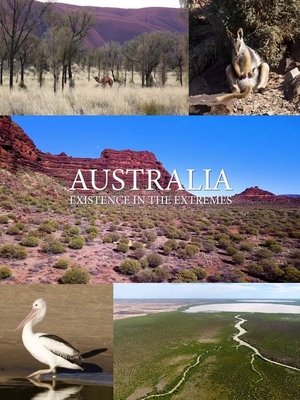
An original documentary filmed over the course of seven years through the Northern Territory, Western Queensland, and South Australia. Australia is the driest inhabited content on earth. In this documentary, the team explores Australia’s deserts and arid landscapes to discover some of the plants and wildlife that inhabit Australia’s Outback.
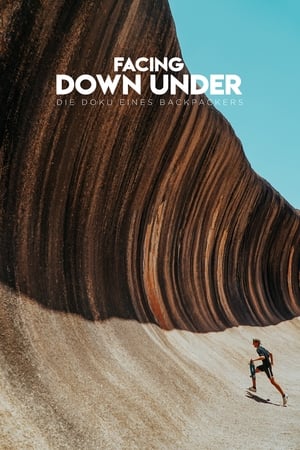
A 19-year-old high school graduate travels through Australia as a backpacker and accompanies his adventure with a camera.
Set against the dramatic backdrop of the Australian desert and bushland, see life through the eyes of a very special Red Kangaroo as he struggles to survive drought, bush fires, dingoes and roo hunters.
For millenniums, Aborigines used tracking to survive. Their ancient skills now help police capture murderers and save people's lives. Will modern technology replace an art based on the intimate bond between man and nature?