In December 2004, 120 years after it was built by the Spanish, Fort Villa Cisneros, a unifying symbol of tradition and modernity in the history of the Sahrawi people, was destroyed by Morocco, ignoring the voices of those who pleaded for its preservation in favour of respect for the community’s past.
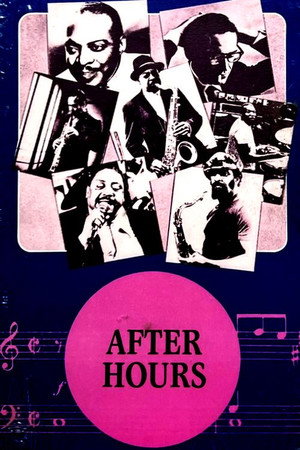
Toronto is regarded as the third largest jazz centre in North America. This film features a cross-section of jazz bands of that city: the Lenny Breau Trio, the Don Thompson Quintet and the Alf Jones Quartet. Their styles show creative self-expression, hard work, and improvisation.
A fist-person story of the director of the documentary, who talks about the loneliness that entails living with an eating disorder and her vision now thar she is entering into adulthood.
A trip on the Swedish lake Mälaren by a 115-year-old steamboat. The journey between Stockholm and Mariefred takes 3,5 hours. The steamboat Mariefred was manufactured over a hundred years ago and is one of the last steam-powered vessels on the lake. The steam whistle sounds when Maja, as she is called in Mariefred, steers into the bay towards the small town. A fanfare for the summer!
A Small Paradise is a film documentary about the Greek island Kos and the people there. It is a cinematic and nostalgic journey. In the film documentary, you meet people of different backgrounds and sexes. They share their thoughts and opinions about the island and other topics. You get captivated by the small interviews, the music, and the personal stories.
National Center for Lesbian Rights, winner of the San Francisco Foundation 2009 Community Leadership Awards (the John R. May Award), for its pioneering spirit and unwavering commitment to advancing the civil and human rights of LGBT people. Its precedent-setting case victories have rewritten laws to change the legal landscape for all LGBT people and families across the nation. Through litigation, public policy advocacy, and public education, NCLR advocates on behalf of LGBT people and their families nationwide. For 30 years, NCLR has been at the forefront of pursuing justice, fairness, and legal protections for all LGBT people.
"Not a documentary but the the ruins of an attempted documentary." - Grashina Gabelmann Nico’s solo concert in West Berlin 1986. She’s high, giggly, not entirely there but her voice is still haunting and raspy and her presence still the one of a star. We see short clips of an interview held the same year in a hotel – an interview Gaul found somewhere, where he can not remember. We see footage borrowed from Andy Warhol’s estate. Footage of factory parties and screen tests.
La marche
A look at the Brazilian black movement between 1977 and 1988, going by the relationship between Brazil and Africa.
One of several Kevin Jerome Everson pieces regarding African-American rodeo riders, SECOND PLACE brings us inside the big show. The jerkily pixilated view of a bucking bull offers an aesthetic equivalent of the cowboy's wild ride while the film's silence lends an unexpected repose to the contest. Whether anticipating a bull's blasting out of the gate or watching an old hand stretch out his back, Everson's camera is ever-attentive to the action at the edge of the frame. - Max Goldberg
A film about a young woman's future plans in Munich, Germany. MUNCHEN, RAPHAELA (also known as RAPHAELA RING MUNCHEN) is part of Mike Plante's Lunchfilm series of commissioned shorts (made for the cost of a lunch between Plante and filmmaker Kevin Jerome Everson).
Les Chevaux du Vercors
The original documentary on the Wigstock festival, back in the day when it was a much smaller affair in Thompkins Square Park. A full day of peace, love, and wigs…
Haja Fatma, a mother to eight children, tells the tale of family life in Tripoli during the Libyan Revolution. Women, young and old, all contributed during these hostile months in their own unique way. A human portal into the acts of ordinary people in their hope for freedom.
The Kabul National Museum, once known as the "face of Afghanistan," was destroyed in 1993. We filmed the most important cultural treasures of the still-intact museum in 1988: ancient Greco-Roman art and antiquitied of Hellenistic civilization, as well as Buddhist sculpture that was said to have mythology--the art of Gandhara, Bamiyan, and Shotorak among them. After the fall of the Democratic Republic of Afghanistan in 1992, some seventy percent of the contents of the museum was destroyed, stolen, or smuggled overseas to Japan and other countries. The movement to return these items is also touched upon. The footage in this video represents that only film documentation of the Kabul Museum ever made.
L'abatis
Through an unsent letter, the author travels through time and recalls moments when love affected him intensely. Evocative images explore how pain and beauty intertwine with maturity on a journey guided by childhood friends, political disappointments, fleeting romances, and the loss of loved ones.
In a retirement home in a small town surrounded by mountains, the daily lives of the people who live there alternate. Them inside, the world outside. An imbalance that manifests itself in "Pucundrìa", an indefinable feeling of melancholy, boredom and perennial dissatisfaction, which leads to an unconscious resignation for what has not been, is not and can never be.
Hedda Hopper plays hostess at a party for her (grown) son William (DeWolfe Jr.). Hopper, attends the dedication of the Motion Picture Relief Fund's country home and goes to the Mocambo. There is also a sequence dedicated to the Milwaukee, Wisconsin world premiere of the first short in this series attended by more that a few film stars.
Tehran Is the Capital of Iran (1966-79) documents life in a deprived district in the south of Tehran. The images of destitution in Tehran's poor areas is accompanied by a variety of spoken accounts: the official viewpoint on the district's living conditions, what the inhabitants have to say, and occasional extracts read out of school manuals. The key element in Shirdel's film is the counterpoint effect he creates with image and sound. His impressively powerful portrayal of social unease helps reinforce the impact of his astonishing documentary images and social themes.