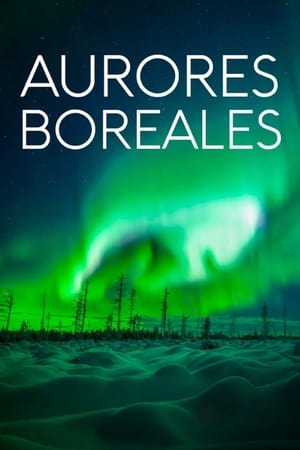
In this documentary, scientists reveal their findings on the influence of solar storms on animal behavior and human transport infrastructure. The documentary explains why solar storms pose a threat to humanity: In extreme cases, they can damage satellites, slow down air traffic and paralyze high-voltage and telecommunications networks.
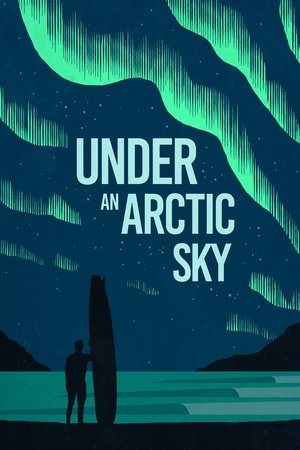
Six fearless surfers travel to the north coast of Iceland to ride waves unlike anything they've ever experienced, captured with high-tech cameras.
Arktis is a poetic approach to the bizarre landscape of ice, rock, and water; a journey to the arctic ocean and surroundings, with images and sounds. Seventy one-second scenes of the arctic serve as the original material, which is then transformed in its texture, time lapse, color and light qualities to create a material reminiscent of landscape painting. The sound collage uses fragments from sounds of nature and samples from a piece of music for violin and song, which are also transformed in a manner similar to that of the visual pictures. (Jürgen Reble)
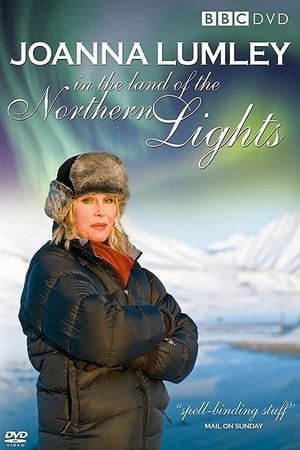
Comedy icon Joanna Lumley pursues a life-long dream to track down the elusive and beautiful Northern Lights. She travels North across the Arctic Circle, up through Norway and finally to Svalbard, the most northerly permanently inhabited place on Earth, where she has to cope with temperatures approaching minus 30° C. Joanna’s journey takes her from train to boat and huskysled to snowmobile as she is pulled ever northwards and finally, in a breathtaking climax to the film, Joanna gets to see with her own eyes the spectacular beauty of the Northern Lights. As seen on ABC1.
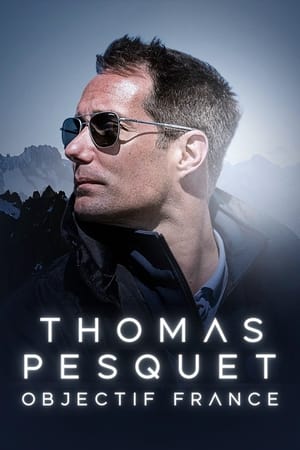
Thomas Pesquet : Objectif France
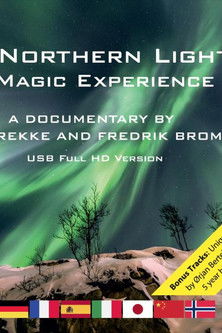
The aurora borealis is a natural moving multicolour light display observed in the high northern latitude. This natural phenomenon is a source of imagination and awe that drives exploration of the world around us. Dr. Brekke shared the science behind the aurora borealis as a visual manifestation on the sun-Earth connection. And how this also can affect our technology based society. He talked about the production of the documentary.
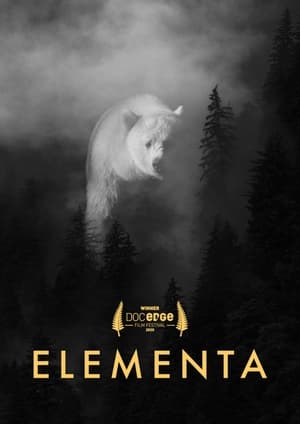
A black-and-white visual meditation of wilderness and the elements. Wildlife filmmaker Richard Sidey returns to the triptych format for a cinematic experience like no other.
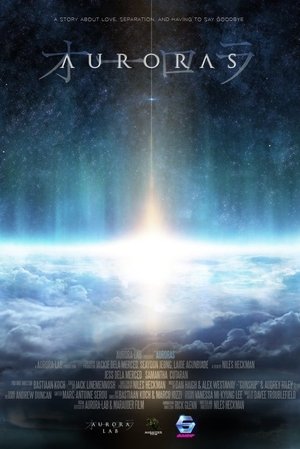
Constantly orbiting at 400 km (250 mi) above the earth, the ISS is perfectly situated to witness the beautiful streamers of green and red light emanating from the collision of highly charged solar wind particles with oxygen and nitrogen atoms in the earth's atmosphere. Centered about the northern (Aurora Borealis) and southern (Aurora Australis) poles the Auroras move in an almost hypnotic dance below the space station.
When a rare phenomenon gives police officer John Sullivan the chance to speak to his father, 30 years in the past, he takes the opportunity to prevent his dad's tragic death. After his actions inadvertently give rise to a series of brutal murders he and his father must find a way to fix the consequences of altering time.
An American oil company sends a man to Scotland to buy up an entire village where they want to build a refinery. But things don't go as expected.
L'Aurore boréale
In a near-future post apocalyptic world, a father must cross a dangerous landscape to reunite with his wife and daughter.
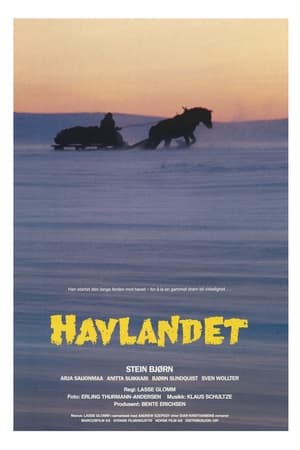
This is a tale that has an epic scope in scenery "the northern snow-covered lands of coastal Norway" and is dramatized by moments of tumultuous stormy weather. But the focus is on Heikki (Stein Bjorn) a young man who is inspired by the northern lights to take a horse-drawn sled and make his way to the sea, hoping to come back with abundant fish. He is overtaken by a snowstorm and is forced to find shelter in a small, isolated cabin that is home to a half-crazy widow, her baby, and a blind man. Driven to arson by her internal demons, the woman destroys the cabin. She and the blind man perish, but Heikki manages to save the baby. He is now faced with an even greater challenge as he holds the infant and looks in the direction of the coastline.
A terminally ill girl, who dreams of going to Finland to see the northern lights, falls in love
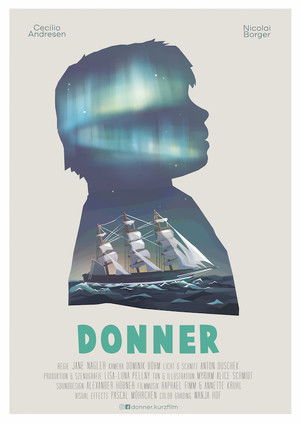
After the death of his mother, little Julius throws himself into a fantasy world. He travels with his teddy bear Max to the northern lights - a dream that is supposed to take him back to his deceased mother. The two will never reach their destination. They get caught in a heavy storm that brings them back to reality and forces Julius to face a difficult farewell.
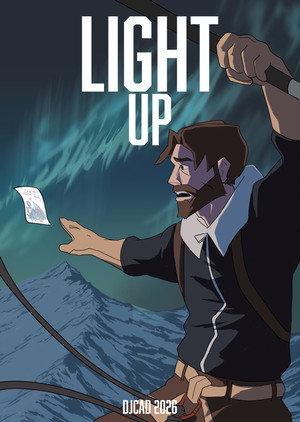
Set against the stark and unforgiving beauty of a remote mountain landscape, Light Up follows a mountaineer named Hank as he scales a long-sought after summit. But as the altitude rises, so does his inner conflict as he is reminded of his young daughter who he has left behind in pursuit of his goal. The mountain becomes both a literal challenge and a symbolic reflection of a deeply human struggle between personal ambition and parental responsibility.
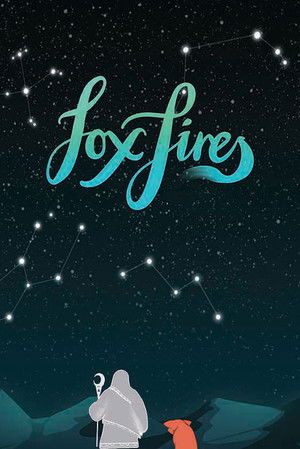
The moon comes down to Earth and asks animals help to light up the sky. A fox pursues her purpose in this tale of folklore. Graduation film from Duncan of Jordanstone College of Art & Design, Dundee. Inspired by the Finnish folk tale of the aurora borealis.
The author of the documentary comes to the village of Tverregion, where he was not been for about 20 years. Happy memories of his childhood holidays in this village, about his friends and relatives become sad, as now there are desolation and devastation in these lovely places. The different fates of its inhabitants, who 20 years ago were carefree boys and girls, make us think that a human life depends not only on external circumstances, but also on himself, on his mood, efforts and his own outlook!
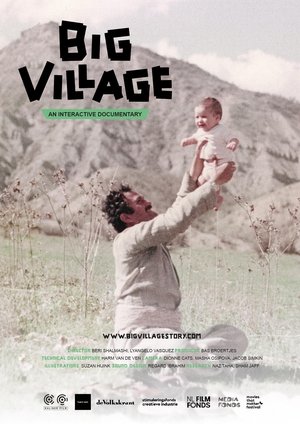
This interactive documentary recreates a time and place that only exists in the memories of Iranian Kurds who are forced to live in diaspora around the world. Many people died during the events recounted here and in the years that followed.
Details the atrocities committed by the communist authorities against the local population of Bessarabia in the years 1940-1941 and 1944-1991.