Outrage kiss-in at Bow Street police station in London, with a demonstration against homophobic government bills clause 25/28.
Over the course of their sessions, what began as an artist-model relationship developed into something more. Now officially BFs (boyfriends), Wilfrid continues to draw Theo regularly and has somewhat effortlessly amassed hundreds of drawings that were brought together for an exhibition appropriately titled ‘Drawings of my BF’. As Wilfred studies Theo, and Theo returns his gaze, the two lovers discuss the romantic ideals and human realities of the sketcher-subject dynamic and the role that creating art together has played in their lasting connection.
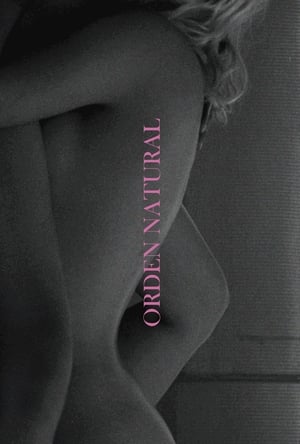
From the memory, two women reconstruct their transformation in lesbian sexuality. From objectification to the freedom to love other women's bodies.
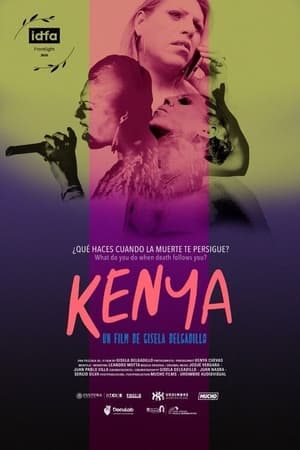
Trans women face extreme violence in Mexico City, and sex workers are even more vulnerable. This raw and deeply affecting portrait of Kenya gives an insider’s view of the impact that violence has on the community, and how complex life is for them. The film begins shortly after Kenya witnesses her friend Paola being murdered by a client. The film follows Kenya closely. Will the family accept burying Paola as she was: a flamboyant trans woman? Kenya approaches Paola’s loved ones with great respect and understanding—something she rarely experiences herself. When the murderer is released, she embarks on a lengthy battle for justice, backed up by her “sisters.”
A young group of actors are preparing an updated version of Shakespeare's ROMEO & JULIET. Two boys perform the central roles - both of them struggling with their own questions of love alongside their roles on stage. And as rehearsals begin, reality soon starts to interfere with the play.
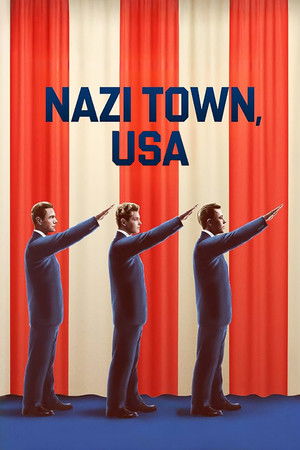
In February 1939, more than 20,000 Americans filled Madison Square Garden for an event billed as a “Pro-American Rally.” Images of George Washington hung next to swastikas and speakers railed against the “Jewish controlled media” and called for a return to a racially “pure” America. The keynote speaker was Fritz Kuhn, head of the German American Bund. Nazi Town, USA tells the largely unknown story of the Bund, which had scores of chapters in suburbs and big cities across the country and represented what many believe was a real threat of fascist subversion in the United States. The Bund held joint rallies with the Ku Klux Klan and ran dozens of summer camps for children centered around Nazi ideology and imagery. Its melding of patriotic values with virulent anti-Semitism raised thorny issues that we continue to wrestle with today.
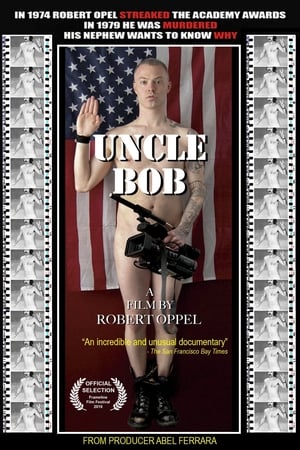
Robert Oppel's documentary about the life and murder of his uncle and namesake, Robert Opel, the man who streaked the Academy Awards in 1974.
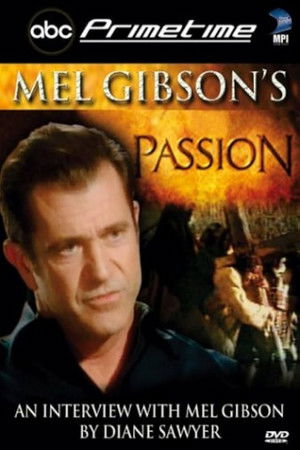
In this special edition of Primetime, ABC News' Diane Sawyer interviews filmmaker Mel Gibson about his highly controversial movie, ""The Passion of the Christ."" He responds to charges that the movie's portrayal of the Jewish role in the death of Christ will encourage anti-Semitism. He also elaborates on comments he's made about the Holocaust. In addition, Gibson tells why he felt it necessary to exhibit such a graphic depiction of Christ's crucifixion on film and discusses his decision to tell the story in Aramaic and Latin.
Les dieux de Molenbeek
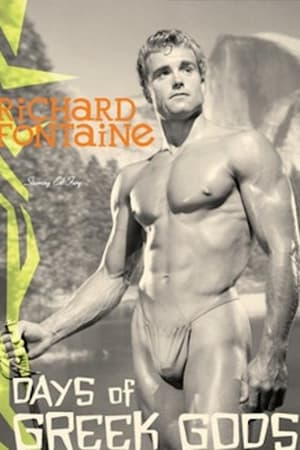
Richard Fontaine and Bob Mizer started the current exploration of the male nude in film and photography. The two shared ideas props and models and reinvented some of the sexual icons that we all still recognise today. The gladiator the sailor, the cowboy… Starting with posing-straps and graduating to nudes their "art studies" enlisted the talents of up-and-coming actors and bodybuilders. This film recalls that era.
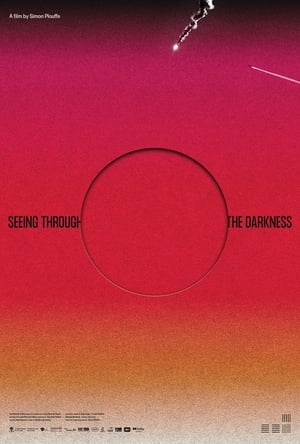
The film follows five people who lost their sight in armed conflicts, gathering fragments of their present-day lives. Through an enveloping sound composition, veiled archival material, footage shot by the protagonists themselves, and a sensitive visual approach, the film explores memory, perception, and our relationship to the visible. Steering away from spectacle, it invites us to hear what often goes unheard, and to feel differently. In an age saturated with images, this documentary offers a sensory experience where listening becomes a gesture of resistance and human reconnection.
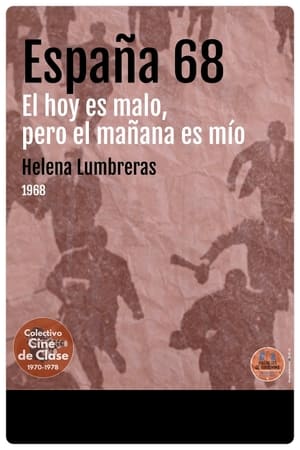
Spain, 1968. An analysis of the political and social situation of the country, suffocated by the boot of General Franco's tyrannical regime. (Filmed clandestinely in Madrid and Barcelona during the spring of 1968.)
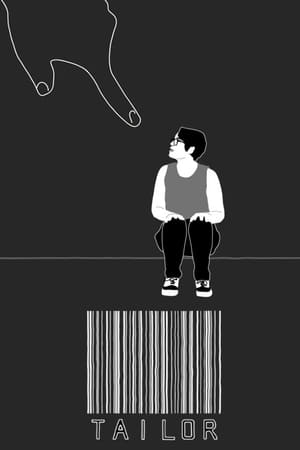
Tailor is a transgender cartoonist that shares in his web page other trans people’s experiences and their challenges in society. Film about transgender, made by transgender crew.
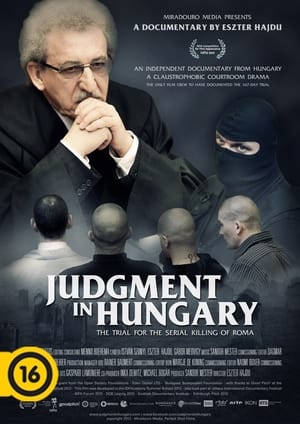
Hungary was the site of serial murders on ethnic basis. Over the course of one year, the murderers killed and seriously injured Roma children and adults. The state charged 4 men with committing the crime with racial motivation. This historical trial started March, 2011, and ended August, 2013 in Budapest. The 167 days of hearings was only documented continuously by our crew. We had exclusive permission to use multiple cameras in the court-room. The film is a classical chamber-drama, taking place in a small, claustrophobic court room, in the middle of Europe. What will be the outcome of the marathon, 3 year-long trial?
The film examines the death of the anarchist Giuseppe Pinelli, who fell from the fourth floor of the police headquarters in Milan December 15, 1969, after being stopped following the Piazza Fontana bombing.
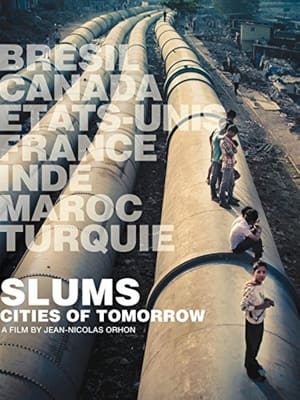
One billion people on our planet—one in six—live in shantytowns, slums or squats. Slums: Cities of Tomorrow challenges conventional thinking to propose that slums are in fact the solution, not the problem, to urban overcrowding caused by the massive migration of people to cities. (Lynne Fernie, HotDocs)
The tenth edition of Polish Pride parades a colorful trail of rainbow flags through the streets of Warsaw. Along the route, Antek and his friends line up to warn of the “pink threat” in prayer and edifying hymns. As traditional Catholics, he and his Brotherhood hold deeply conservative views: sex before marriage is out of the question, homosexuality can be cured, abortion is a great evil and Poland is for the Poles. His sister thinks his homophobic ranting is pointless, because in a few years the planet will be destroyed anyway as nobody is doing anything about climate change.
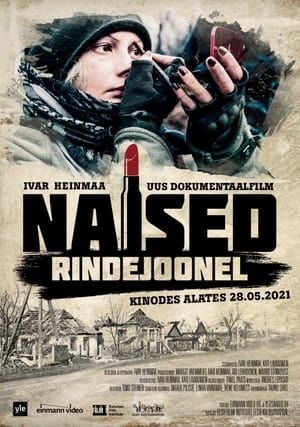
At five o'clock in the evening, Red Cross and OSCE observers leave the front line and leave the fighters under fire. Hypocrisy takes over, and here begins the story of these women, which first kicked off in Maidan Square in Kyiv. Heartache and hatred, broken love, wrong decisions and yet hope for a new life, even in the face of death. This is a documentary about the war that broke out in the spring of 2014 in Eastern Ukraine through the eyes of women.
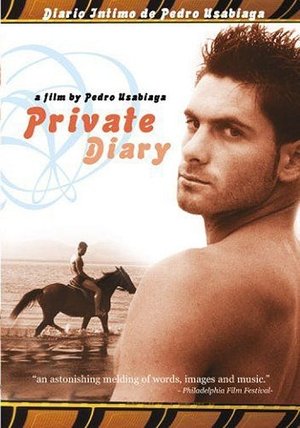
Private Diary documents photographer Pedro Usabiaga working with a variety of amateur models. The audience sees how the relationships between the photographer and the subjects changes during their time together, as well as how the individual photographs begin to take shape. Pedro Usabiaga is a well-established Basque photographer whose chief concerns are figurative photography and whose passion in photographing the Spanish male. In this hour long conversation with the artist we are given entry into that process of selecting models (none of the models he uses for this book to be titled 'Private Diary' are professional, but instead are randomly chosen as Usabiaga observes athletes in action) and then allowed to follow Usabiaga and his crew as they photograph these men in natural settings and natural light.
The shocking murder of 21-year-old British backpacker, Grace Millane, in New Zealand grabbed headlines around the world in 2018, as did the ensuing investigation and trial. This chilling true-crime documentary revisits the night of her tragic murder with previously unseen footage and expert analysis, exploring the alarming, regressive attitudes laid bare in the subsequent trial, and highlighting important, broader issues of violence against women in today’s society.