Čičmany
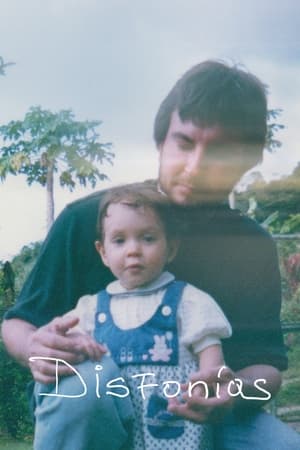
A fragmented look into the memories of two strangers from the same hometown, brought together through a university project.
A retrospective special commemorating the 20th anniversary of the sitcom The Mary Tyler Moore Show.
Beyrouth, spring 2020. Is the uprising in Lebanon merely on hold?
Yes, you have to scream louder.
Using testimonies by pioneers and witnesses of the times, delve into the feverish visual culture the media generated – with far-fetched examples of canine television games, seduction manuals, aerobics class while holding a baby, among others.
A found footage / object film: the colorful 1960s in Italy, a joyful time, live-giving coating of born-again found images, re-animated, examined, reviewed in a past time, revisited.
The filmmaker's mother describes stories of his lustful youth over the phone, causing them to reflect on his current love life at the age of 30.
The film describes the microcosmos of the small village Wacken and shows the clash of the cultures, before and during the biggest heavy metal festival in Europe.
In 1981, an unusual person arrives in Natashquan, marking the beginning of an unlikely love story between this small Quebec village and the young man they call “The Punk”. Five years later, he vanishes without a trace, forever impacting the community.
An Israeli film director interviews fellow veterans of the 1982 invasion of Lebanon to reconstruct his own memories of his term of service in that conflict.
Sayedat Al-Kasr traces the history of the Joumblatt family of Mount Lebanon from the 17th century to the present, focusing on early 20th century leader and politician Nazira Joumblatt. Born in 1889, Nazira ascended the throne of the Moukhtara palace in 1923, following the assassination of her husband Fouad and the resignation of her brother Aly Joumblatt. She presided over the region as Lady of the Palace for twenty-five years while raising her son Kamal, preparing him to take his place in a long line of Jumblatt leaders. Famous for her wisdom and strong personality, Nazira boldly entered the Lebanese political scene at a time when this field was entirely dominated by men. Unwavering, she contributed to maintaining peace and stability in Lebanon for many years, earning the respect of men and women, whether Druze or Maronites.
Filmmaker Karim Aïnouz decides to take a boat, cross the Mediterranean, and embark on his first journey to Algeria. Accompanied by the memory of his mother, Iracema, and his camera, Aïnouz gives a detailed account of the journey to his father’s homeland, interweaving present, past, and future.
A representation of queer and feminist imagery that was mainly shot in the Qinghai-Tibetan Plateau, remote and developing areas in southwest China, and metropolitan cities like Beijing from 2000 to 2004 to document the social changes in contemporary China. The director sympathetically and erotically represents a variety of women, including women as laborers, women as prayers, women in the ground, women in marriage, and women who lie on the funeral pyre with their dead husbands. Her camera juxtaposes the mountains and rivers in old times, the commercialized handicrafts as exposition, the capital exploitation of the elders’ living space, and the erotic freedom of the young people in a changing city.
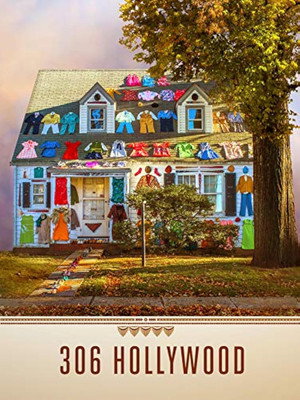
When two siblings undertake an archaeological excavation of their late grandmother’s house, they embark on a magical-realist journey from her home in New Jersey to ancient Rome, from fashion to physics, in search of what life remains in the objects we leave behind.
Dadi manages an extended family in Haryana, Northern India, where daughters-in-law face loneliness and unrealistic expectations. The film delves into family dynamics, highlighting Dadi's firm control amidst tensions. Social and economic shifts challenge traditional values, exemplified by Dadi's son marrying outside the village. Despite clinging to tradition, Dadi adapts to her children's modern aspirations. This narrative reflects the clash between generations and gender roles in 1980s rural India, offering insight into the evolving concept of family.
Jean-Claude walks his dog in a neighborhood forever stuck in reconstruction. On his trip, he wonders about life, mortality, and 'what if' scenarios while remembering fragments from the direct impact of the second that almost cost him his life on August 4. At the moment of the explosion, the end of the world, bodies, buildings, roads, and cities may shatter. Perhaps the universe itself breaks apart. But the most severe fragmenting remains that of memory. A picture here and a sound there are vaguely reconstituted. Can a future be built from such a memory? Can it rebuild what was lost? Is it time to leave?
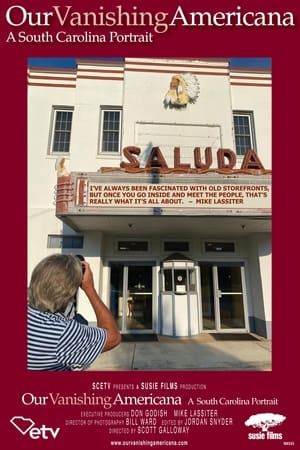
A short documentary about the rapidly disappearing era of heritage movie palaces and the film going experience once offered within those hallowed walls.
Two friends, one Black and one white, journey to their Southern ancestral homes, exploring reparations' meaning. Their travels uncover opportunities that transform their bond, communities, reclaiming and reckoning with their roots.
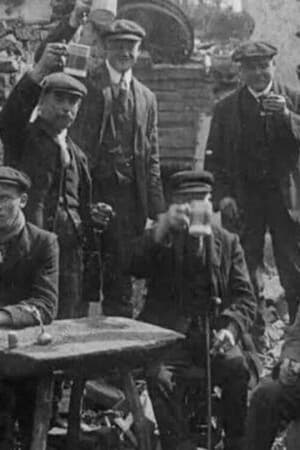
There's an enchanting folkloric quality to this eclair newsreel showing a remote Essex village ravaged by fire.