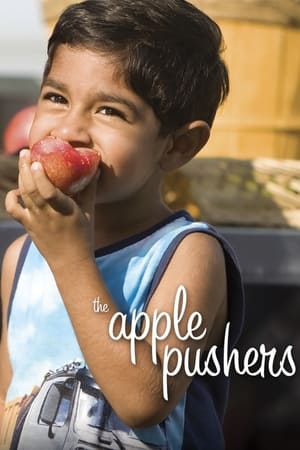
The Apple Pushers, narrated by Edward Norton, follows the inspiring stories of five immigrant pushcart vendors who are rolling fresh fruits and vegetables into New York City's food deserts.
Migrating is seldom an easy solution. It is rather a journey, that begins with a journey. After more than eight years of campaigning, the immigrant cleaners outsourced at the School of Oriental and African Studies (SOAS) in London continue to demand being brought in-house. Limpiadores charts the history of their and others’ campaigns – from winning the London Living Wage to the deportation of nine colleagues, and the day-to-day invisible labour of cleaners on our campus.
The film is about the band Stockholms Negrer, but also about what formed their music, about being Swedish but still being viewed as an outsider.
A documentary that measures the cost of providing amnesty to millions of illegal aliens.
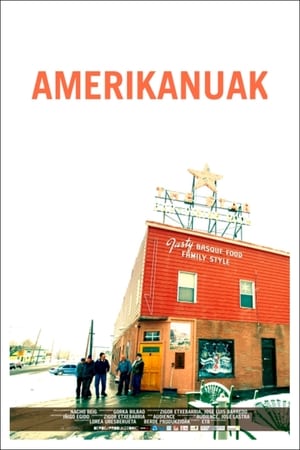
A documentary about Basque inmigrants who went to USA looking for work and a better future. Basically, Amerikanuak talks about feeling homesick, about struggling in a different country to make a decent living and about being part of a comunity.
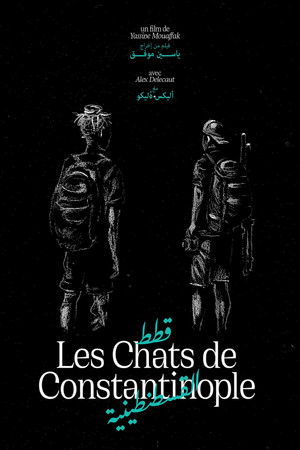
In 2011, as tens of thousands of migrants, Loss, and Madess Moussa arrived in Europe via Turkey. Required by EU law to remain in Greece, they only want one thing : to leave. Therefore earn the money needed to start is an obsession and all means are good. The film "The Adventure" follows the lives of these three Ivorians to Athens - their sense of enclosure, strategies to find money, failover illegally, attempts to start - and explores what is at stake, individually and collectively during migration: relations to other migrant communities, friendship, betrayal, solidarity, mafias and violence.
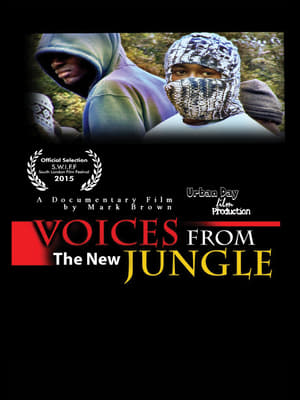
Documentary Film maker, Mark Brown, attempts to discover the damaging effect the over-spilling immigrant population has on the coastal city of Calais, France.
Rosa is a Mexican woman who, at the age of 17, migrated illegally to Austin, Texas. Some years later, she was jailed under suspicion of murder and then taken to trial. This film demonstrates how the judicial process, the verdict, the separation from her family, and the helplessness of being imprisoned in a foreign country make Rosa’s story an example of the hard life of Mexican migrants in the United States.
The Kabyle people define themselves first and foremost through the spoken word. Every gesture, every moment of their daily lives can give rise to a language of verse, metaphors, and proverbs. After all, isn't it said that in the mountain foothills they call home, verbal dueling was a common pastime? It is a reality difficult to visualize when one looks at the immigrant society where these men and women—often illiterate—are relegated solely to the roles of manual laborers and housewives; one can hardly imagine the eloquent orators they become when they return to their native tongue.
A short film / documentary that depicts the daily grind of first-generation immigrants in Australia.
Charming amateur film featuring the Eisner family, who emigrated to Britain from Romania the year this film was made.
Haya
Documentary that shows the changing attitude towards immigrant labor in The Netherlands. The documentary follows three immigrants that arrived in Holland 30 years ago to work in a bakery.
Twenty-five films from twenty-five European countries by twenty-five European directors.
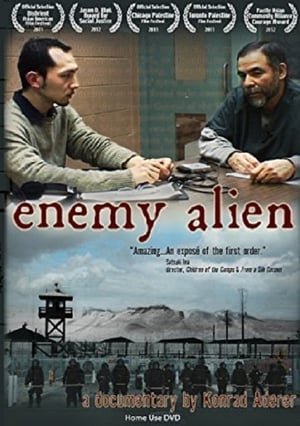
A Palestinian activist's fight for freedom draws a Japanese American filmmaker into confrontation with detention regimes of past and present.
This film focuses on the basics of adapting to life in England.
Les Chats de Constantinople
"In Algeria, I fought to ensure that girls—like me—would not be forced to wear the veil. In France, I began defending women's right to wear it, should they choose to do so. Does that surprise you? To me, it is the same fight. By revisiting the stereotypes that have clung to Arab women since the colonial era, Madame la France, ma mère et moi examines the way French people view women of Maghrebi origin. This film—for which I retraced the steps of my mother and aunt in Algeria—will, I hope, help people understand my anger, an anger shared by many Arabs in France." (Samia Chala)
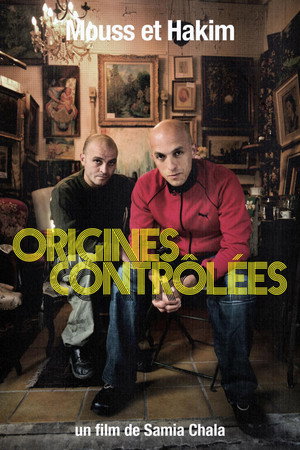
This film will tell the story of a tour of France undertaken by two children of "controlled origin"—as Mouss and Hakim wryly put it. For us, the reference to the century-old schoolbook Le Tour de la France par deux enfants by Augustine Fouillée is far more than a mere nod; published in the wake of the Franco-Prussian War of 1870, this reader was a fiercely patriotic manual designed to shape the education and morals of young French children. Written under the pseudonym "G. Bruno," the book recounted the journey of two children, André and Julien Volden, who—following the Prussian annexation of Alsace-Lorraine and the death of their father—set out to find their uncle across France’s beautiful provinces. The book was steeped in nationalism and a martial spirit, instilling the values of the Third Republic—equality and citizenship—with a heavy hand, ensuring that no one dared to stand out from the crowd.
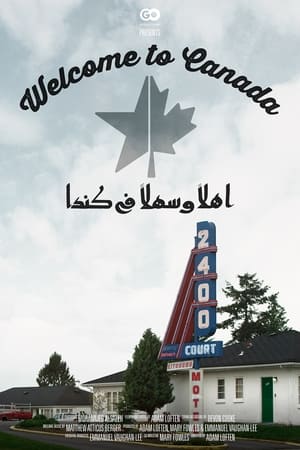
Mohammed Alsaleh, a young Syrian refugee, is rebuilding his life after being granted asylum in Canada. In Vancouver, he counsels and helps resettle newly-arrived Syrian refugee families so that they may find new homes and begin again.