In 2022, when the economic crisis in her native country was at its peak, she decided to visit her family there. She turned her short trip into a collage-like diary in which she reflects on her relationship with her homeland, which is in a state of protracted decay. The film is composed of spontaneous snapshots capturing the author's stay, interspersed with inserted captions serving as personal, often poetically formulated comments and observations. As a result, the film does not hide its strongly subjective perspective, but at the same time builds on it to make an important statement that shows the transformation of Lebanese society in everyday details such as the appearance of the city itself or in the intimate sphere of the author's family life.
The Woven Path: Perempuan Tana Humba is made up of two short movies that highlight the role of women in Sumba culture. The first part of the documentary, The Woven Path, is a 10-minute movie featuring picturesque footage and images that serve as a backdrop to two poems centering on the theme of mothers. The 30-minute Perempuan Tana Humba is a much more straightforward documentary, focusing more on Sumba culture and women in three short chapters: “Marapu”, “Belis” and “Perkawinan”.
Stone Street documents the life and experiences of a Trinidadian diaspora family and their enduring connection to the long standing family home in Port of Spain. Through the intersecting journeys of this extended and extensive family, the filmmaker explores themes of home, belonging and identity in a life defined by the fragmentary nature of a migratory Caribbean culture. This experimental documentary combines a lyrical first person voice with a family archive of home made audio visual artifacts, interviews and events. As the documentary explores the fragmentary nature of Caribbean identity, it simultaneously celebrates the fragments of domestic memorializing found in home movies, videos and photographs. Stone Street uses these various forms to evoke the experience of a complex and diverse Caribbean and Caribbean diaspora identity.
Kua and Teriki will soon get married. They live on the distant Tureia island in the French Polynesia, Pacific Ocean and have just been told that something is wrong with their son Maokis heart. It is a consequence of living only 100 km away from the island of Moruroa, where France has tested 193 atom bombs for 30 years. Several of their family members are sick and Moruroa can soon collapse, which can lead to a tsunami likely to drown all of them. Vive La France is a personal and intimate story about harvesting the consequences of the French atomic program.
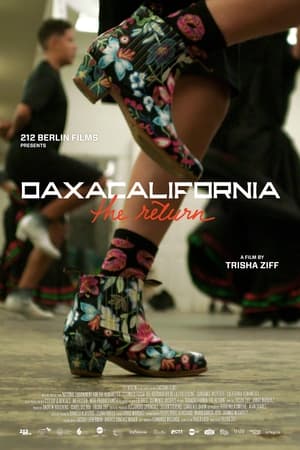
The Mejia family emigrated from Oaxaca to Fresno, California 40 years ago. Filmmaker Trisha ZIff filmed the family in 1996, and returns now to see the changes that have settled over them, and follows the family on their return to Mexico.
Married at the Mall is a documentary that features an assortment of lovebirds who tie the knot at the Chapel of Love in the Mall of America. It's a story that answers the question: "Who would get married at a mall?" Minnesota filmmaker Melody Gilbert spent a year videotaping this documentary featuring quirky personalities, offbeat love stories and traditional bliss in an untraditional setting. Find out who gets married while everyone else is shopping. Vegas, shmegas!
After constantly moving, two students finally find the opportunity to start a family by adopting a stray dog.
With moving stories from a range of characters from her Kahnawake Reserve, Mohawk filmmaker, Tracey Deer, reveals the divisive legacy of more than a hundred years of discriminatory and sexist government policy to expose the lingering "blood quantum" ideals, snobby attitudes and outright racism that threaten to destroy the fabric of her community.
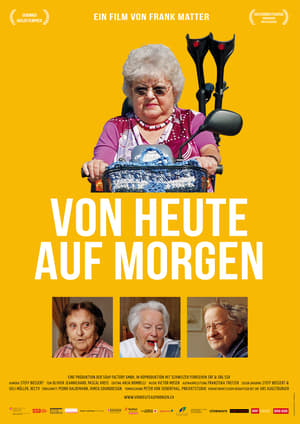
'From One Day To The Next' follows four elderly people through their everyday lives, observing how they cope with a gradual loss of autonomy.
A film about homes on both sides of an ocean.
Using home videos recorded by her voice coach, Diana takes us through the story of her life.
Set in Oulton, Leeds - some of the last remaining post-war prefabricated houses in the UK are still standing. Residents of this ex coal mining village now at threat of eviction share their stories of community and family as they look to their future. ‘Hanging On’ is a docu-drama that combines artistic visuals of residents suspended in mid air, literally hanging onto their homes and audio interviews about the strength of what happens when people come together. It reminds us about the struggles of people who are slipping through the cracks of society and what it means to have a home.
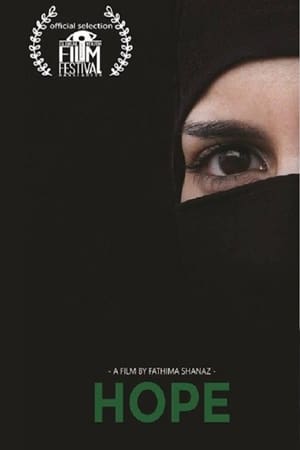
Child marriages have been an unnoticed reality in some sections of the Muslim community in Sri Lanka. This film tells the story of Fatima, a 16-year old school girl, who is set to marry a man far older than her. Not only her right to education is denied but her consent to marriage too. Until she accidentally meets her future husband, she has not even seen him. She is caught up between her hopes and the reality of her destiny.
10 May 2007 - China's staggering economic growth has overshadowed a more subtle shift in Chinese society. In domestic life, many women are now ignore the advice of their mothers and grandmothers, turning instead to counselling hotlines and, increasingly, divorce.
A documentary directed by Winding Refn's wife, Liv Corfixen, and it follows the Danish-born filmmaker during the making of his 2013 film Only God Forgives.
The priest Børre Knudsen is Norway's most infamous anti-abortionist, and much hated for this. He fought for his cause without thinking about the consequences for his family and his children even in the worlds most democratic country.
When Sarah accidentally proposes to her girlfriend in Provincetown, the mixup turns their loving relationship into a minefield of marital exploration.
Thomas Haemmerli is about to celebrate his fortieth birthday when he learns of his mother's death. A further shock follows when he and his brother Erik discover her apartment, which is filthy and full to bursting with junk. It takes the brothers an entire month to clean out the place. Among the chaos, they find films going back to the 1930s, photos and other memorabilia.
Liz tries to keep her friend from making the worse mistake of her life.
The film is about metamorphosis of wedding traditions. What happened to the old wedding ways and customs that were market by joy, mystery and sadness?