Tar Creek is an environmentally devastated area in northeastern Oklahoma with acidic creeks, stratospheric lead poisoning and enormous sinkholes. Nearly 30 years after being designated as a Superfund cleanup program, residents are still struggling.
An epic journey along Africa's Great Green Wall — an ambitious vision to grow a wall of trees stretching across the entire continent to fight against increasing drought, desertification and climate change.
Can Homo sapiens evolve into Homo spatius? For over 50 years now, we have been testing our human nature in our effort to conquer outer space, and still 30 years away from a possible human exploration of Mars, a question remains: Can our body take such travels? Will it ever adapt? Combining human adventure and the exploration of the human body, this film offers unique insights into the physical and psychological effects of space travel on the Astronauts and measures the impact on medical sciences.
The first full-length film about the Chornobyl tragedy, filmed in May-September 1986. The authors did not set themselves the task of showing an exhaustive picture of what happened in Chornobyl. They sought to capture the testimonies of people directly involved in the tragedy, the lessons of which have yet to be realized.
Live and Let Live is a feature documentary examining our relationship with animals, the history of veganism and the ethical, environmental and health reasons that move people to go vegan.
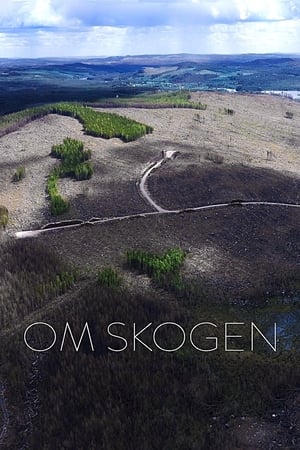
Two very different men are brought together by New Brunswick's decision to hand the management of millions of acres of Crown land to six multinationals. One man is an Acadian woodlot owner retired after nearly 40 years in a pulp mill; the other is a painter and winemaker with homes in France and New Brunswick. They travel to Finland to urge officials at one of the largest licence holders of New Brunswick Crown lands to practise responsible forestry, then go head-to-head with the provincial government to secure a new community-based forestry policy that is environmentally sustainable and produces more jobs than the highly mechanized techniques used today.
A feature documentary about the journey of mankind to discover our true force and who we truly are. It is a quest through science and consciousness, individual and planetary, exploring our relationships with ourselves, the world around us and the universe as a whole.
The cod fishery off the east coast of Newfoundland was a way of life, the backbone of society -- until it collapsed. A review of the history leading up to the crisis and the subsequent call for a moratorium of the northwest Atlantic cod fishery.
An oil boom has drawn thousands to America’s Northern Plains in search of work. Against the backdrop of a cruel North Dakota winter, the stories of three children and an immigrant mother intertwine among themes of innocence, home, and the American Dream.
Semences : les gardiens de la biodiversité
Maura is a black woman, mother of 7 children and recyclable material collector in one of the largest cities in Latin America. While she works hard to maintain herself, she has to deal with prejudice, invisibility and the ignorance of those who do not recognize the value and important role of the recyclable material collector bring to the city, as an environmental agent.
Since World War II North Americans have invested much of their newfound wealth in suburbia. It has promised a sense of space, affordability, family life and upward mobility. As the population of suburban sprawl has exploded in the past 50 years Suburbia, and all it promises, has become the American Dream. But as we enter the 21st century, serious questions are beginning to emerge...
Shot over the course of 18 months in New York City's Lower East Side, METHADONIA sheds light on the inherent flaws of legal methadone treatments for heroin addiction by profiling eight addicts, in various stages of recovery and relapse, who attend the New York Center for Addiction Treatment Services (NYCATS).
Documentary filmmaker Robert Kenner examines how mammoth corporations have taken over all aspects of the food chain in the United States, from the farms where our food is grown to the chain restaurants and supermarkets where it's sold. Narrated by author and activist Eric Schlosser, the film features interviews with average Americans about their dietary habits, commentary from food experts like Michael Pollan and unsettling footage shot inside large-scale animal processing plants.
This documentary chronicles agricultural resistance and the fight for food sovereignty in Burkina Faso – a small, landlocked country in West Africa. Showcasing activist farmers, students, artists and leaders in the local Slow Food movement, the film looks at how the Burkinabé people are reclaiming their land and defending their traditions against the encroachment of corporate agribusiness. From women gaining economic independence by selling artisanal “dolo” beer, to youth marching in the streets against companies like Monsanto, to hip-hop musicians setting up their own farms and reviving the revolutionary spirit of Thomas Sankara through their music, Burkinabè Bounty shows the creative tactics people are using to take back control of their food, seeds, and future.
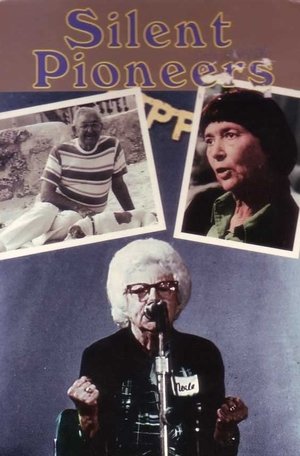
For over 80 years, Merle Hayden has crusaded to recruit members to the utopian movement Lawsonomy. Founded by aircraft pioneer Alfred Lawson, Lawsonomy advocates for economic reform and clean, communal living that transforms followers into a "New Species" that will benefit the human race either in this life or the next. Merle joined Lawson as a teenager and never looked back. His high school sweetheart Betty Kasch, however, is tired of Lawson coming between them. Reunited after over 60 years apart, non-believer Betty wants Merle to join her in Florida. Merle's commitment to preserving Lawson's legacy, artifacts currently rotting in a barn alongside a Wisconsin highway, has Betty worried Merle may leave her for Lawson once again.
Takes us to locations all around the US and shows us the heavy toll that modern technology is having on humans and the earth. The visual tone poem contains neither dialogue nor a vocalized narration: its tone is set by the juxtaposition of images and the exceptional music by Philip Glass.
An organic farmer in Maine sets out to transform the prison food system. Seeds of Change captures the intersecting stories of life-long farmer Mark McBrine and several incarcerated men as they harvest their own meals from a five-acre prison garden unlike any other.
Capturing Americans in communities across the country as they wrestle with the legacy of the coal industry and what its future should be under the Trump Administration. From Appalachia to the West’s Powder River Basin, the film goes beyond the rhetoric of the “war on coal” to present compelling and often heartbreaking stories about what’s at stake for our economy, health, and climate.
The Salton Sea: An inland ocean of massive fish kills, rotting resorts, and 120 degree nights located just minutes from urban Southern California. This film details the rise and fall of the Salton Sea, from its heyday as the "California Riviera" where boaters and Beach Boys mingled in paradise to its present state of decaying, forgotten ecological disaster.