Maccaia
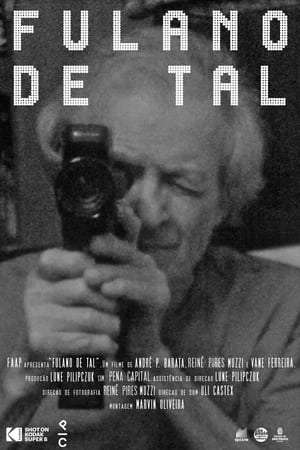
Fulano de Tal
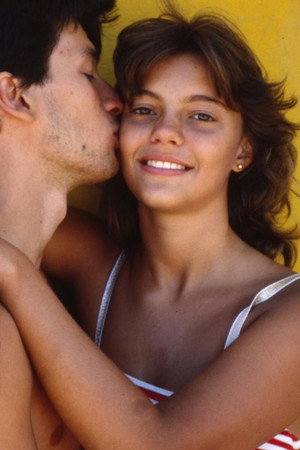
A short Super 8 visual diary shot by French photographer Claude Nori along the Italian coast in 1982. This experimental short captures the unscripted days and casual interactions of Italian beachgoers. It was created to inspire and serve as the creative foundation for Nori's celebrated later work, "L'été italien", a photography book featuring images from these exact beaches.
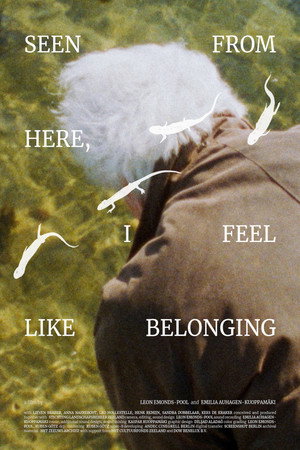
June 1971 - in a fluid landscape completely below sea level, a young biology student dies during the last year of his studies, leaving behind an unfinished scientific collection. More than fifty years later, a group of ecologists and volunteers are trying to understand and document the same environment as it is today.
This film, which was shot on Super-8 and camcorder, is an exploration on forgotten and abandoned sacred sites in England, one of them being the Celtic cross that stands behind a church in Eastbourne.
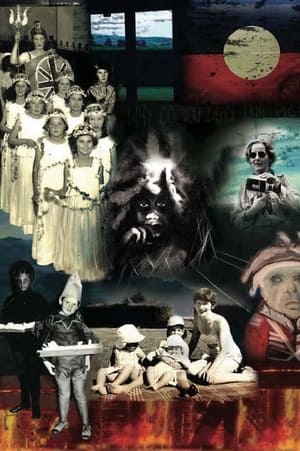
A poetic cine-essay about race and Australia’s colonised history and how it impacts into the present offering insights into how various individuals deal with the traumatic legacies of British colonialism and its race-based policies. The film’s consultative process, with ‘Respecting Cultures’ (Tasmanian Aboriginal Protocols), offers an evolving shift in Australian historical narratives from the frontier wars, to one of diverse peoples working through historical trauma in a process of decolonisation.
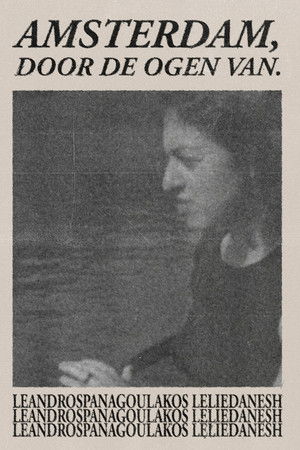
A visual poem shot on Super 8 through the streets and shops of Amsterdam.
A portal, a sorceress, a fictional device to portray existence as a moment encapsulated inside an instantaneous photograph to present fragmented biographical elements —family disintegration, rootlessness, scars, two loyal companions, the promises of a new land—subverting the notion of a home-movie and transform it into a pilgrimage tool of self-discovery, mirroring the fragile nature of memories.
365 jours
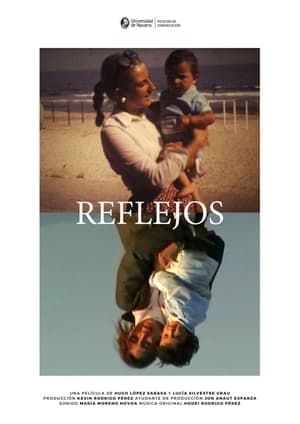
Two generations dialogue through the images they filmed of their children, a reflection of the emotional bond that arises from their involvement with what was shot.
According to Scottish mythology Selkies are mythological beings capable of changing from seal to human form by shedding their skin. This film follows the story of such a creature who chooses the sea over her land dwelling sweetheart.
An original ghost story from the rugged coastline of Mendocino County, California. Shot and animated on Super 8 film.
"What I tried to "tell" is Rosa's close and distorted relationship, common to many women who are used to living alone with themselves, with objects that have become animated and unreal and the relationship which is completely silent, but no less clear and explosive of Rosa with her feminine unconscious” (D. Maraini).
Fede is a theater actress who, while putting on clown make-up for a show, thinks back to her relationship with her father: a relationship of tenderness, desire and hatred.
Milk in its symbolic and ancestral dimension is the fulcrum of this short film. Primary source of female nourishment, abundance and life, milk flows, is drunk, steeps and nourishes. The woman-mother is its dispenser, the one who safeguards its vital power. The color of milk, however, also recalls male seminal fluid and the dimension of the sensual exchange between man and woman.
Three women leave for a beach holiday. The joy, the carefreeness of days on the beach, lunches on the terrace, lazy afternoons punctuate this "holiday film" which slowly reveals and builds the sensual and playful intimacy of the relationship that binds the protagonists/directors.
A woman, director of advertising films, catches the eye of a mysterious young woman dressed in white during an evening of dancing on the terrace of a bar and is fascinated by her.
A dough-eyed newcomer to New York is sent on a mental spiral of his own self-worth when he is asked to take photos of a random couple in a park and he finds out what it truly means to be a New Yorker.
A journey through different processes of capturing light using pinhole cameras (pinhole camera in Super 8 format), accompanied by a cassette recorder during the director residency at Nanolab (Daylesford, Australia). It represents a step between the interior and the exterior, between moving forward and going back. It is about the space the director inhabit, the one she walk through and capture over and over again.
As a teenager, I used to take a bus, whose ticket had the inscription "To the Flores Cemetery" as the end of its route. At that time, whenever I saw the ticket, I thought of Charles Baudelaire's "The Flowers of Evil" and of imaginary walks the bus would take me on until I reached the Flores Cemetery. Thirty years later, I found one of those tickets in a box, and it makes me think of finitude and the transient. Film made with Floripondio flowers, Hollyhock and Santa Rita petals, blood, cobwebs, insects found after a storm, mushrooms, onions, and hair on 16mm film.