Jan calls himself Buffalo. He loves cowboys, he’s blind, and may lose his hearing. The documentary follows his journey to America to visit the chief of the Navajo tribe, who wants to perform a ritual to help his hearing. The film is full of unpretentious humor thanks to Jan’s charisma. In the USA, he’s like the Don Quixote of the Wild West - a naive adventurer in a world that is much more ordinary than his imagination. This observational, but not standoffish, film is also an example of how the medium of film can relate to blind people by constantly showing the difference between what Jan perceives and what we actually see.
New York trapper Tom Dobb becomes an unwilling participant in the American Revolution after his son Ned is drafted into the Army by the villainous Sergeant Major Peasy. Tom attempts to find his son, and eventually becomes convinced that he must take a stand and fight for the freedom of the Colonies, alongside the aristocratic rebel Daisy McConnahay. As Tom undergoes his change of heart, the events of the war unfold in large-scale grandeur.
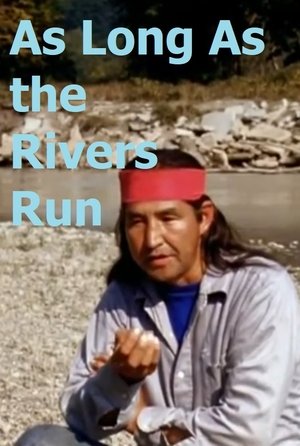
A doc about the Cree and Chippewa people of northern Manitoba. Made in the mid 20th century, it is dated in tone, but provides insight into the vital relationship that existed between First Nations and the caribou herds that sustained them.
Scientist Mark Plotkin races against time to save the ancient healing knowledge of Indian tribes from extinction.
Still photographs and narration give an overview of the history of the American Indian.
A documentary that tells the story of five American Indian artists, the Urban Indian 5 (UI5), and their unique partnership.
Filmmaker Sterlin Harjo's Grandfather disappeared mysteriously in 1962. The community searching for him sang songs of encouragement that were passed down for generations. Harjo explores the origins of these songs as well as the violent history of his people.
Poet Layli Long Soldier crafts a searing portrait of her Oyate’s connection to the Black Hills, through first contact and broken treaties to the promise of the Land Back movement, in this lyrical testament to resilience of a nation.
In war-torn colonial America, in the midst of a bloody battle between British, the French and Native American allies, the aristocratic daughter of a British Colonel and her party are captured by a group of Huron warriors. Fortunately, a group of three Mohican trappers comes to their rescue.
Fred Martinez was a Navajo youth slain at the age of 16 by a man who bragged to his friends that he 'bug-smashed a fag'. But Fred was part of an honored Navajo tradition - the 'nadleeh', or 'two-spirit', who possesses a balance of masculine and feminine traits.
Revisiting the achievements of Sacheen Littlefeather, the first woman of color to utilize the Academy Awards to make a political statement.
Two men. Two quests. Two centuries apart. Four ways to experience the search for a lost tribe. Film. Book. Album. App.
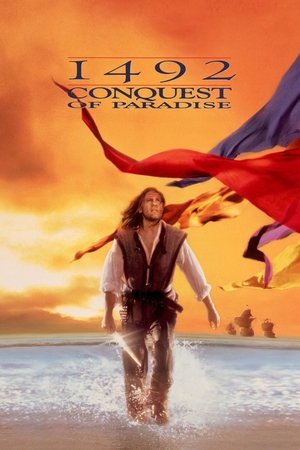
1492: Conquest of Paradise depicts Christopher Columbus’ discovery of The New World and his effect on the indigenous people.
Set in the Mayan civilization, when a man's idyllic presence is brutally disrupted by a violent invading force, he is taken on a perilous journey to a world ruled by fear and oppression where a harrowing end awaits him. Through a twist of fate and spurred by the power of his love for his woman and his family he will make a desperate break to return home and to ultimately save his way of life.
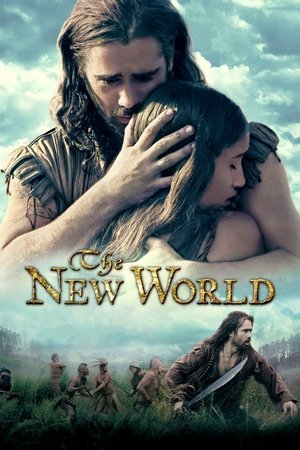
A drama about explorer John Smith and the clash between Native Americans and English settlers in the 17th century.
Documentary about the role of Native Americans in popular music history, a little-known story built around the incredible lives and careers of the some of the greatest music legends.
On June 26, 1975, during a period of high tensions on the Pine Ridge reservation in South Dakota, two FBI agents were killed in a shootout with a group of Indians. Although several men were charged with killing the agents, only one, Leonard Peltier, was found guilty. This film describes the events surrounding the shootout and suggests that Peltier was unjustly convicted.
Following four Lakota families over three years, Homeland explores what it takes for the Lakota community to build a better future in the face of tribal and government corruption, scarce housing, unemployment, and alcoholism. Intimate interviews with a spiritual leader, a grandmother, an artist, and a community activist from South Dakota’s Pine Ridge Indian Reservation reveal how each survives through family ties, cultural tradition, humor, and a palpable yearning for self-reliance and personal freedom.
Washington Redskins, Cleveland Indians, Atlanta Braves — Indian mascots and nicknames have historically been first draft picks in American sports. But for Charlene Teters, a Spokane Indian, transplanting cultural rituals onto the field is a symbol of disrespect. Jay Rosenstein follows Teters' evolution from mother and student into a leading voice against the merchandising of Native American symbols — and shows the lengths fans will go to preserve their mascots.
Story of Joseph Brant, chief of the Mohawks. During the time of the American Revolution, Britain faces insurrection in its American colonies. The Iroquois Confederacy of the Six Nations must choose between their British ally and the American revolutionaries, whose democratic ideals they share.