The Tragedy of an Artist, is an experimental short shot over the course of a week. This film is meant to illustrate who Hero Foltz is as a person and his struggles with self identity
Latest installment from the on-going collaboration between filmmaker Paul Clipson & musician Jefre Cantu-Ledesma. Paul's Super8 films, shot entirely in New York City, channel the blissed out states of color drenched psychadellia explored by Brakage as well as lovely black and white still life's that reminisce on Ozu's 'pillow shots' & Chantel Akermans monumental portrait of Pre-Giuliani New York 'Letters Home'. Jefre's music is culled from the same sessions that launched his 2007 release on Students Of Decay 'Shinning Skull Breath', (the two share a track in common). Billowy clouds of distorted guitar expand out into long passages of muffled static and fuzzed out melody.
Sprout. In the vacant lots against the hammering of buildings always under construction, between walls of granite, cement and sheet metal with rust, moss and cats; on the hillside between the train and the river, next to the traffic on the highway, facing the subway, vegetable gardens sprout. In this city, the choreography of ancient gestures of cultivating the land is repeated day after day, without fail. Sowing, digging, harvesting, watering, eating, talking, resting and returning the next day. The longest day of the year brings S. João and nobody goes to bed, but when the sun rises, the discreet gestures of resistance will restart.
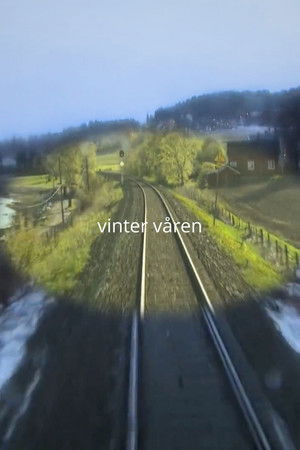
A train moves through winter as a superimposed image of the same route in spring gradually emerges. Both moments coexist within a single frame, revealing two seasons happening at once.
In 7 episodes, a subject traverses through various phases of existence. He fully explores different facets of the human condition— a calm birth, a stifled growth, an outrage against injustice, a cumulation of scars, and the return to innocence.
A 16mm archive from 1964 intervened as an emotional diary during the first three months of the COVID-19 pandemic is the basis of this film, reinterpreted in the montage of the sound design, in which the images are reinterpreted, emphasizing the soundscape of the protests from 2020 to 2023 in the streets of Cajamarca, Cusco and Lima, three regions of Peru, questioning the constant political and social crisis.
After concluding the now-legendary public access TV series, The Pain Factory, Michael Nine embarked on a new and more subversive public access endeavor: a collaboration with Scott Arford called Fuck TV. Whereas The Pain Factory predominantly revolved around experimental music performances, Fuck TV was a comprehensive and experiential audio-visual presentation. Aired to a passive and unsuspecting audience on San Francisco’s public access channel from 1997 to 1998, each episode of Fuck TV was dedicated to a specific topic, combining video collage and cut-up techniques set to a harsh electronic soundtrack. The resultant overload of processed imagery and visceral sound was unlike anything presented on television before or since. EPISODES: Yule Bible, Cults, Riots, Animals, Executions, Static, Media, Haterella (edited version), Self Annihilation Live, Electricity.
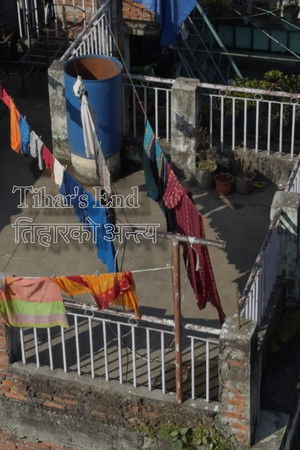
Filmed from the last night of Tihar, festival of light, in Kathmandu 2025, exploring colour, light and stillness.
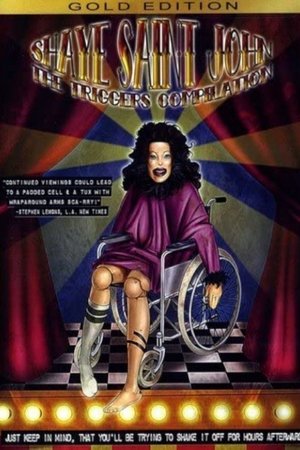
Welcome to the funbubble! Over 2 hours of bizarre entertainment. Meet Shaye Saint John, former supermodel who now has no arms or legs and her special friend Kiki (a burnt doll). This series of shorts documents the daily collision of Shaye's glamorous fantasies with the realities of the physical limitations of her everyday life. These films with their juxtaposition of child-like imagery can be genuinely disturbing without a hint of blood, violence, nudity, cursing, or off-color subject matter of any sort. Watching Shaye do her schtick is akin to watching a segment of one of John Waters' early flicks. There is no question about the fine line between maddness and genius here -- it's madness, plain and simple, dizzying in its detachment to reality. Depending on your outlook, Shaye Saint John is either a true testimony to the power of art to rise above adversity or these films are hidden footage from a ward for the criminally insane!
A lone passenger is reflected in the windows of a train crawling through layers of textures towards Minsk. During his absence, the city has not changed: all the streets are frozen, long-gone voices can be heard in the empty rooms and around the corner you can find yourself in a video game from your childhood.
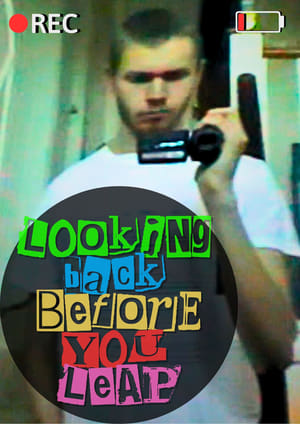
Graduation is approaching, marking the close of a chapter. I took my camera to Green Island, recording video letters day by day. But the camera became unruly, backup batteries went missing, and the trip began to go downhill. Typhoons arrived, and the video letters ceased... Finally, facing the sea beneath the sun, my camera non-responsive, I took a Dramamine, then boated back home.
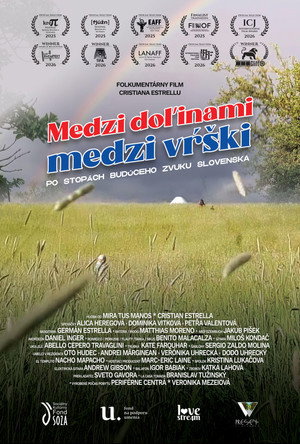
This is not just a “folkumentary”, but an invitation to reflect on the future of humanity on a planet where tradition and technology coexist, and where the unknown reminds us that there are still unanswered questions.
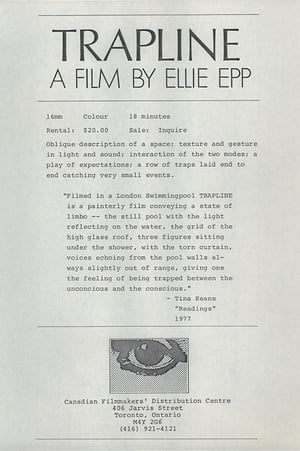
Ellie Epp’s 12-shot study of a soon-to-be-demolished public bath in London, which “maps another way out of structural film toward a cinema of delicate implication".
An experimental odyssey through altered realities and reconstructed archives, where wandering voices of the past, present, and future unravel the elusive nature of time and memory.
"This project consists a visual fluidity of construction, harmony and thoughts taking colors and length from this body of autonomy. Different images between figuration and abstraction are created by meaning and phenomenon letting the decoupage revealing a piece of a strange underworld. I built it like a window opened to the fresh air of improvisation by familiar landscapes, those exact moments articulating a connection between light and movement."
Leevi Pienihäkkinen’s tight experimental short documentary Peace and Silence dives into the Helsinki night, exploring the darkened city with fresh eyes. The familiar spots of the city centre flash in the images, but something is different. The everyday becomes weird, details vanish, lights shine taking over everything around them. Humans remain anonymous and faceless, silhouettes against the backdrop of the dark city.
A collection of memories from a tumultuous time at University.
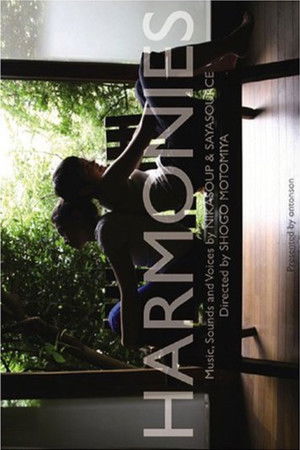
Japanese two female singer-songwriters, Kazumi Nikaido (also known as Nika Soup) and Saya Source (of Tenniscoats, Maher Shalal Hash Baz). Nika is known for her chameleon-like ability to transform her voice, while Saya has a melancholic and straightforward singing style. Both have distinct voices that can be identified immediately, but when they sing in unison, they create melodies that are truly sublime. They have released charming album IPIYA (2005) features playful pop songs reminiscent of nursery rhymes, repetitive mantra-like tracks. The two went back and forth from their homes in Hiroshima and Tokyo to create beautifully diverse songs for this record. This is the documentary of "how" and "why" and also "where" they had made the very original music. Many interviews, rehearsals, free sessions, live performances are included. There is a childlike innocence to this documentary, and offers a peak into the unique world of how they make music.
Outtakes, commentary from Zefier's third film: Jo; or The Act of Riding a Bike.
Landscapes change with time; people don't. I try to expose the solipsism of lower Appalachian life in this day and age.