A rich and extravagant Scottish Baron spends his time on outrageous cruise ships amongst romantic couples, wealthy families, hardworking staff and retired elderly. A floating micro-society appealing to some, revolting to others.
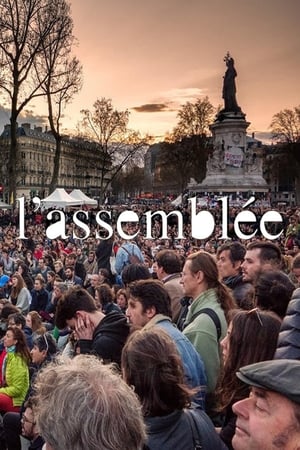
Just one year ago, citizens joined together at Place de la République in Paris to demonstrate against labor reforms, the El Khomri law. This rapidly became an opportunity to invent another way of handling politics. It was the beginning of Nuit Debout. The film follows closely this social movement's inner core, a new kind of citizen's and democratic parliament, without representatives or leaders, which attempts to allow everyone the chance to speak. How do we speak in unison without speaking with a single voice?
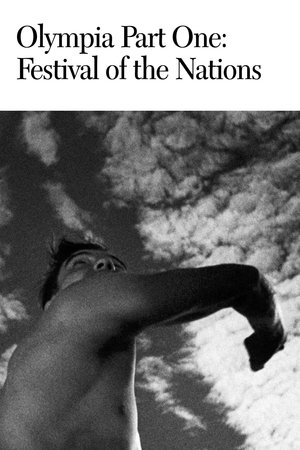
Starting with a long and lyrical overture, evoking the origins of the Olympic Games in ancient Greece, Riefenstahl covers twenty-one athletic events in the first half of this two-part love letter to the human body and spirit, culminating with the marathon, where Jesse Owens became the first track and field athlete to win four gold medals in a single Olympics.
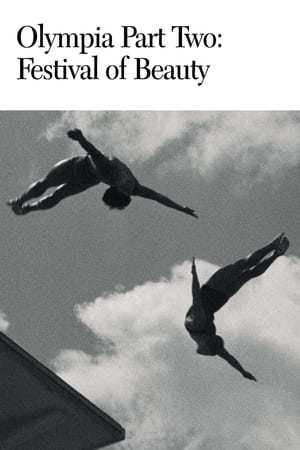
Part two of Leni Riefenstahl's monumental examination of the 1938 Olympic Games, the cameras leave the main stadium and venture into the many halls and fields deployed for such sports as fencing, polo, cycling, and the modern pentathlon, which was won by American Glenn Morris.
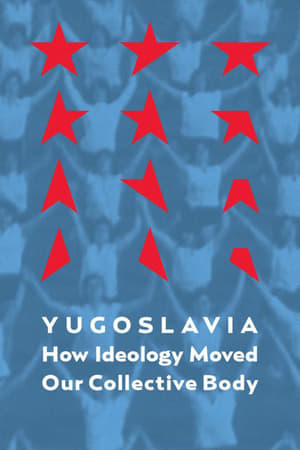
A research-based essay film, but also a very personal perspective on the history of socialist Yugoslavia, its dramatic end, and its recent transformation into a few democratic nation states.
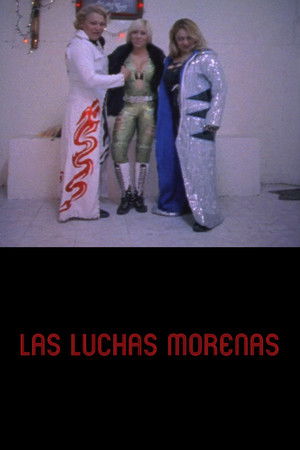
Bim Bam Boom Las Luchas Morenas, is about three Mexican sisters, professional wrestlers, whose lives, lived according to their own ideas, are a struggle but also a lot fun.
A short companion to Leviathan, set inside the fishing vessel.
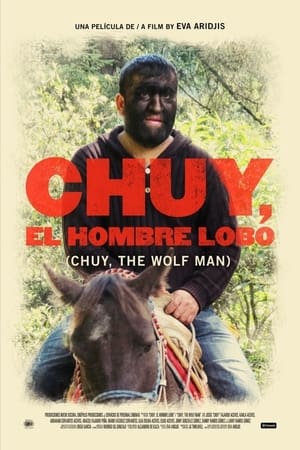
Jesus 'Chuy' Aceves and a dozen living members of his extended family suffer from the very rare condition of congenital hypertrichosis, meaning they were born with excessive hair on their faces and bodies. Due to their appearance, they suffer from discrimination in all areas of their lives: the children are made fun of at school and abandoned by their 'non-hairy' parents, and the adults cannot find work unless they choose to exhibit themselves as freaks in circuses. This moving and visually arresting documentary is a portrait of Chuy and his family members. It examines their day-to-day lives and their struggle to find love, acceptance and employment.
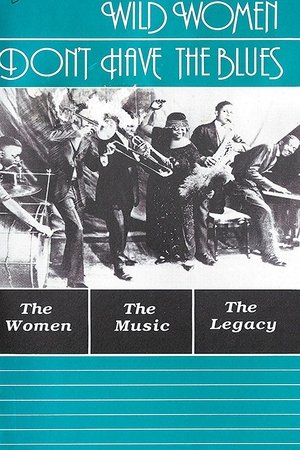
Recaptures the lives and times of Ma Rainey, Bessie Smith, Ida Cox, Alberta Hunter, Ethel Waters, and the other legendary women who made blues music a vital part of American culture. The film brings together for the first time dozens of rare, classic renditions of the early blues.
In 1947, two years after the end of the Second World War, Film Journal No. 1 was released in Sarajevo. Fifty years later, after the collapse of the Communist bloc, this newsreel was lost in the confusion of the fighting in Yugoslavia. In Journal No. 1 Hito Steyerl attempts to find out how the footage got lost and what was on this document from the Sutjeska studio. In the simultaneous projection of Journal No. 1 the ‘unattainability of an historical zero hour of the national identity’ takes concrete form: The lost newsreel reports on a literacy campaign as well as Muslim women confidently removing their headscarves. We listen however to eyewitnesses trying to recapture the lost content and we see the artist Arman Kulasic making a number of drawings that resemble the story-boards for the lost film. What appears to be moments of great change remain limited by subjective and uncertain memory. The film was premiered at documenta 12.
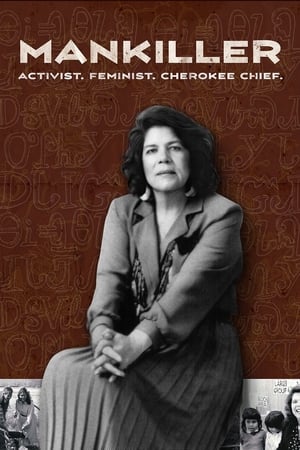
The story of an American hero and the Cherokee Nation's first woman Principal Chief who humbly defied all odds to give a voice to the voiceless.
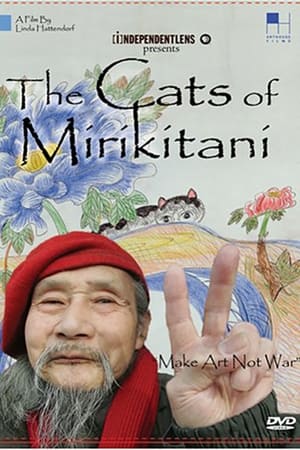
Documentary about red-bereted Jimmy Mirikitani, a feisty painter working and living on the street, near the World Trade Center, when 9/11 devastates the neighborhood. A nearby film editor, Linda Hattendorf, persuades elderly Jimmy to move in with her, while seeking a permanent home for him. The young woman delves into the California-born, Japan-raised artist's unique life which developed his resilient personality, and fuel his 2 main subjects, cats and internment camps. The editor films Jimmy's remarkable journey.
Portrays the exceptional life, career, and mental health challenges of living legend Robert Trivers, the evolutionary biologist TIME Magazine named as “one of the greatest scientists of the 20th Century”.
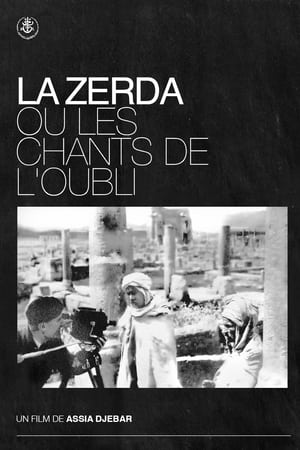
“La Zerda and the songs of oblivion” (1982) is one of only two films made by the Algerian novelist Assia Djebar, with “La Nouba des femmes du mont Chenoua” (1977). Powerful poetic essay based on archives, in which Assia Djebar – in collaboration with the poet Malek Alloula and the composer Ahmed Essyad – deconstructs the French colonial propaganda of the Pathé-Gaumont newsreels from 1912 to 1942, to reveal the signs of revolt among the subjugated North African population. Through the reassembly of these propaganda images, Djebar recovers the history of the Zerda ceremonies, suggesting that the power and mysticism of this tradition were obliterated and erased by the predatory voyeurism of the colonial gaze. This very gaze is thus subverted and a hidden tradition of resistance and struggle is revealed, against any exoticizing and orientalist temptation.
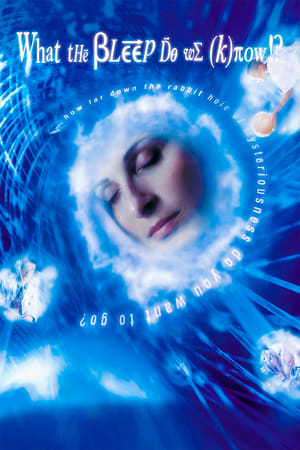
Amanda is a divorced woman who makes a living as a photographer. During the Fall of the year Amanda begins to see the world in new and different ways when she begins to question her role in life, her relationships with her career and men and what it all means. As the layers to her everyday experiences fall away insertions in the story with scientists, and philosophers and religious leaders impart information directly to an off-screen interviewer about academic issues, and Amanda begins to understand the basis to the quantum world beneath. During her epiphany as she considers the Great Questions raised by the host of inserted thinkers, she slowly comprehends the various inspirations and begins to see the world in a new way.
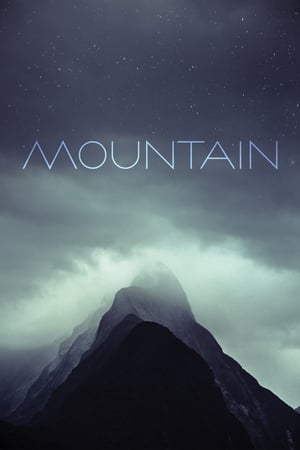
An epic cinematic and musical collaboration between SHERPA filmmaker Jennifer Peedom and the Australian Chamber Orchestra, that explores humankind's fascination with high places.
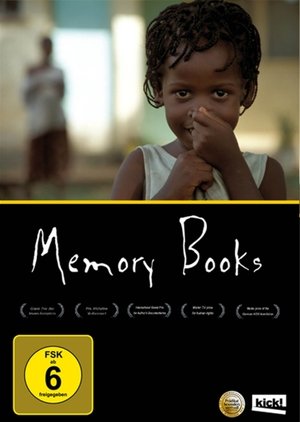
In Uganda, AIDS-infected mothers have begun writing what they call Memory Books for their children. Aware of the illness, it is a way for the family to come to terms with the inevitable death that it faces. Hopelessness and desperation are confronted through the collaborative effort of remembering and recording, a process that inspires unexpected strength and even solace in the face of death.
A nuanced portrait of a new generation, Dear Thirteen is a cinematic time capsule of coming of age in today’s world. Through the eyes of nine thirteen-year-olds, we see how pressing social, geographical and political challenges are shaping, and being shaped by, young people: rising anti-Semitism in Europe, guns in America, gender identity and racial divisions across Australia and Asia. With no adult commentary outside the filmmaker, Dear Thirteen offers an intimate view into the universal uncertainty inherent in growing up.
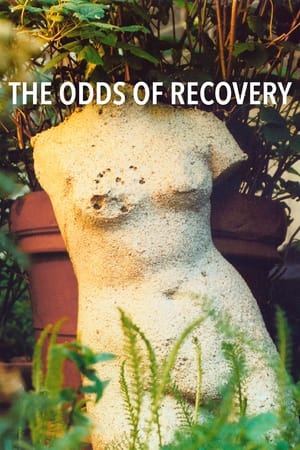
After a twenty year period of multiple illnesses and injuries, the filmmaker turns the camera on herself as a way to analyze her chances for a happier, healthier life. In the process, she captures the frustration, tedium and petty annoyances of a revolving-door relationship with the medical establishment, while portraying the complicated web of emotions that accompany any medical problem. With humor and honesty, The Odds of Recovery uses the filmmaker's medical history as a means to address a perennial human problem: the desire to avoid conflict and deny the need for radical change.
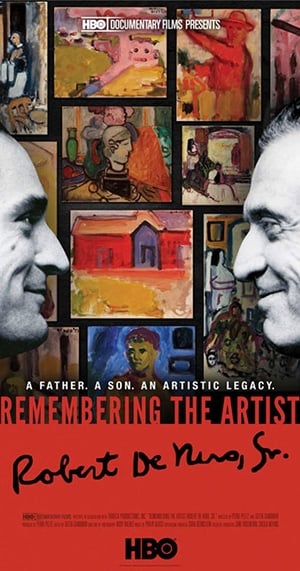
Robert De Niro, Sr., was a celebrated painter obscured by the pop-art movement. His life and career are chronicled in the artist's own words by his contemporaries and, movingly, by his son, the actor Robert De Niro.