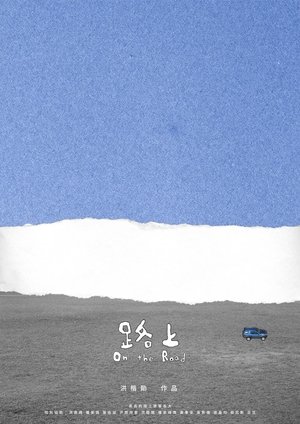
This anthology film, whose Chinese title begins with a romantic name for human excrement, premiered internationally at Rotterdam and won Best Screenplay from the Hong Kong Film Critics Society. A variety of Hong Kong people wrestle with nostalgia when facing an uncertain future. Their stories give way to a documentary featuring a young barista turned political candidate.
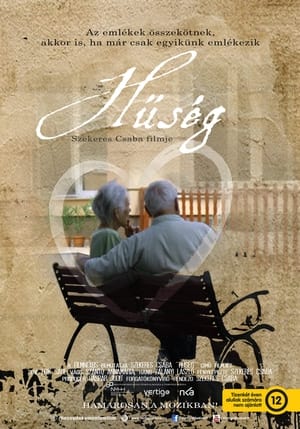
Hűség
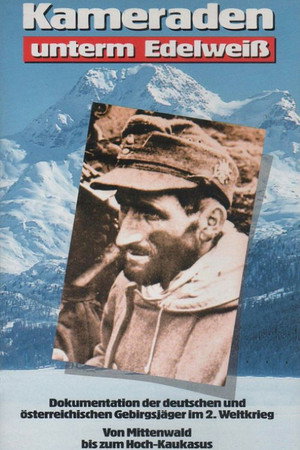
This rare documentary was filmed with the participation and personal camera of Wolfgang Gorther, a German military cinematographer of the 1st mining division, who participated in the legendary ascent of Elbrus on the night of August 21, 1942. From the beginning of the Second World War and the last international winter sports week in Garmisch-Partenkirchen follows the invasion of the German troops into the Soviet Union: Dnieper, Zaporozhy, Kharkov, Rostov-on-Don, Nogaean Steppe, Caucasus – fighting at 50 degrees below zero, military expedition into the world of ice and snow; – ascent of mountain arrows and subsequent hoisting of flags on the Elbrus at an altitude of 5,633 meters.
An elaborate ceremony marks the opening of the first Armenian church in England.
The final episode of Tamino's writing process in seclusion before he heads into the studio to record Sahar
A method soldier boys have for amusing themselves in their leisure moments. New comrades are frequently initiated by the old-fashioned sport of tossing in a blanket. The newly arrived recruit, who is the victim of their sport, enjoys himself, perhaps, less than the other participants.
2024
After the publication of a CD book with the poems of Leopoldo María Panero, musicians Carlos Ann and Enrique Bunbury travel to the Canary Islands to meet the "cursed poet", who is hospitalized in the psychiatric hospital of Las Palmas.
Register of the events which occurred between 9 and 15 April 1948 in Bogota as a result of the assassination of political leader Jorge Eliécer Gaitán
Expeditions in the Western Canadian Arctic
Through an intimate conversation, Steph Jane, age 28, shares the struggles and lessons her second diagnosis of stage-4 cancer has taught her. From being genuinely present and savouring simple moments to thoughts of the future and what really matters, Steph reveals beauty and wisdom which transcend appearance and years.
This educational film was compiled from original footage from 1917. It shows, among other things, guns, troop transports in the port of Libau and a bombardment of the Russian coastal batteries on Ösel with on-board artillery.
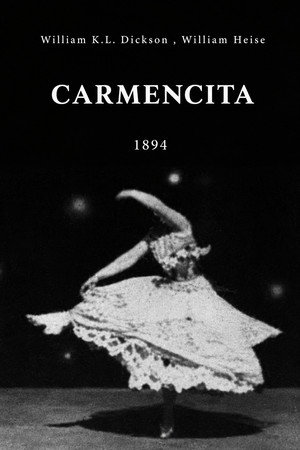
The first woman to appear in front of an Edison motion picture camera and possibly the first woman to appear in a motion picture within the United States. In the film, Carmencita is recorded going through a routine she had been performing at Koster & Bial's in New York since February 1890.
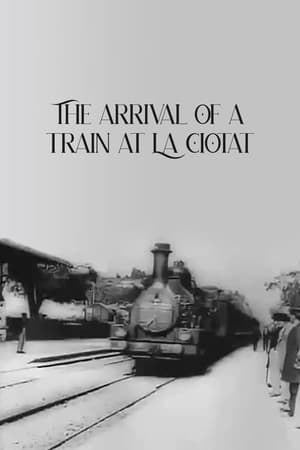
A group of people are standing along the platform of a railway station in La Ciotat, waiting for a train. One is seen coming, at some distance, and eventually stops at the platform. Doors of the railway-cars open and attendants help passengers off and on. Popular legend has it that, when this film was shown, the first-night audience fled the café in terror, fearing being run over by the "approaching" train. This legend has since been identified as promotional embellishment, though there is evidence to suggest that people were astounded at the capabilities of the Lumières' cinématographe.
A day in the city of Berlin, which experienced an industrial boom in the 1920s, and still provides an insight into the living and working conditions at that time. Germany had just recovered a little from the worst consequences of the First World War, the great economic crisis was still a few years away and Hitler was not yet an issue at the time.
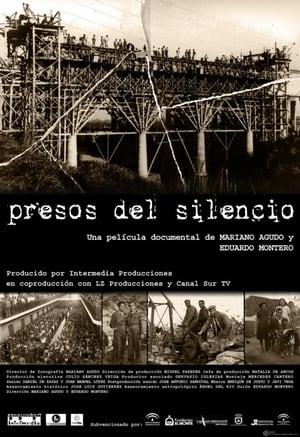
Presos del silencio
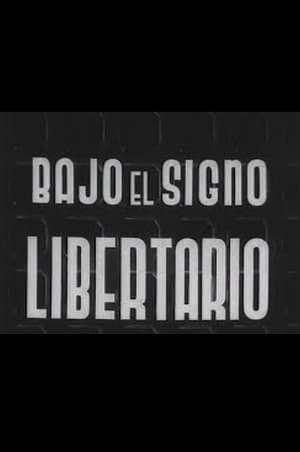
Bajo el signo libertario is a propaganda documentary, with the script and direction of Les (known for his articles in Solidaridad Obrera and the magazine Espectáculo) whose central theme is the reconstruction of the development of life in a libertarian community in the Aragonese town of Pina de Ebro.
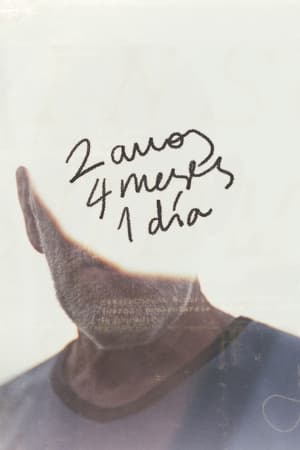
With no choice, César faced leaving his family behind, quitting his job and joining the Army. In an unprecedented chain of events he became the first conscientious objector in Galicia (Spain) to be put in prison. Now, nearly thirty years later, Two Years, Four Months, A Day takes a look at what made him do it.
Son and father are driving on the highway. The son keeps asking questions until he finally notices the changes in his father's body. The dialogue in the animation is taken from a recording of a real conversation between the filmmaker and his father.
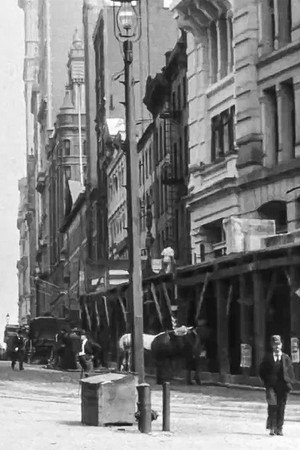
Taken in 1896 on the Boulevard (upper Broadway) on the occasion of a bicycle parade in the heyday of the wheeling craze. Old-fashioned horse cars lend interest to the scene.