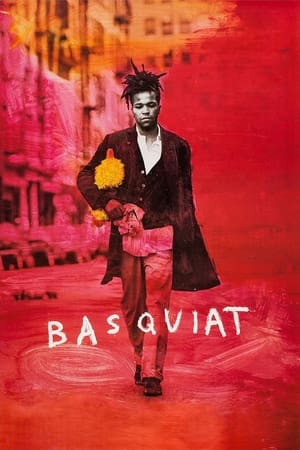
The brief life of Jean Michel Basquiat, a world renowned New York street artist struggling with fame, drugs and his identity.
L’Énigme Velázquez
A musical, and also a reflection on watching, on trying to escape an anthropocentric gaze and also on watching itself in cinema. Featuring mares and horses: Triana, Víctor K, Bambi Sailor, San Special Solano, Buck Red Skin, Onkaia, Cool Boy, the donkey Agostino, the mule Guapa. And also Alfredo Lagos, Raül Refree, María Marín, Pepe Habichuela, Virgina García del Pino, María García Ruiz, Pilar Monsell, María Pérez Sanz.
The Impressionists are the most popular group in art history – millions flock every year to marvel at their masterpieces. But, to begin with, they were scorned, penniless outsiders. 1874 was the year that changed everything; the first Impressionists, “hungry for independence”, broke the mould by holding their own exhibition outside official channels. Impressionism was born and the art world was changed forever. What led to that first groundbreaking show 150 years ago? Who were the maverick personalities that wielded their brushes in such a radical and provocative way? The spectacular Musée d’Orsay exhibition brings fresh eyes to this extraordinary tale of passion and rebellion. The story is told not by historians and curators but in the words of those who witnessed the dawn of Impressionism: the artists, press and people of Paris, 1874.
For three and a half centuries, from the same day that Diego Velázquez (1599-1660) applied his last brushstroke to the canvas, the enigma of “Las meninas, o La familia de Felipe IV” (1656) has not been deciphered. The secret story of a painting unveiled as if it was the resolution of a perfect crime.
With loans from across the world, this major retrospective will bring together Vermeer’s most famous masterpieces including Girl with a Pearl Earring, The Geographer, The Milkmaid, The Little Street, Lady Writing a Letter with her Maid, and Woman Holding a Balance. This film invites audiences to a private view of the exhibition, accompanied by the director of the Rijksmuseum and the curator of the show.
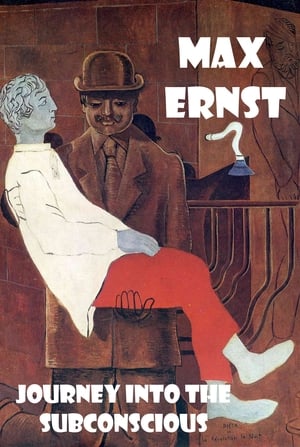
The inner world of the great painter Max Ernst is the subject of this film. One of the principal founders of Surrealism, Max Ernst explores the nature of materials and the emotional significance of shapes to combine with his collages and netherworld canvases. The director and Ernst together use the film creatively as a medium to explain the artist's own development.
Portrait of Andy Goldsworthy, an artist whose specialty is ephemeral sculptures made from elements of nature.
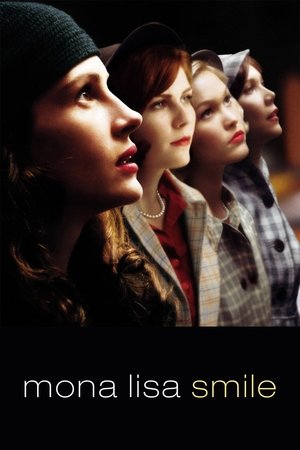
Katherine Watson is a recent UCLA graduate hired to teach art history at the prestigious all-female Wellesley College, in 1953. Determined to confront the outdated mores of society and the institution that embraces them, Katherine inspires her traditional students, including Betty and Joan, to challenge the lives they are expected to lead.
One public housing flat in Moscow stood out above all others: the home of George Costakis, the foremost collector of early 20th century Russian avant-garde art. Its walls were crowded with banned and forgotten works by artists such as Malevich, Tatlin, Kandinsky, Chagall, Lissitzky, Rodchenko, and Kliun; public figures such as Edward Kennedy, Stravinsky, and Alfred Barr visited. Barrie Gavin met the collector in 1982 at his home in Athens. Costakis, a Greek born in Russia, passionately shares his story and those of the great Russian avant-garde artists. Their works are his legacy – without him, they would not have survived the political upheavals in Russia.
The female breast has been a motif for as long as there has been art. For centuries, people have been creating works that showcase this intimate and emotionally charged part of the body. Today, female artists are questioning traditional ideals of beauty and countering the male-dominated perspective of the breast with their own.
In 1847, British writer Emily Brontë (1818-48), perhaps the most enigmatic of the three Brontë sisters, published her novel Wuthering Heights, a dark romance set in the desolation of the moors, a unique work of early Victorian literature that stunned contemporary critics.
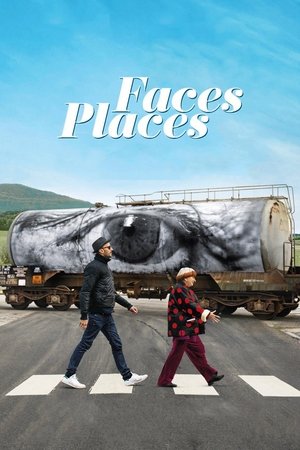
Director Agnès Varda and photographer/muralist JR journey through rural France and form an unlikely friendship.
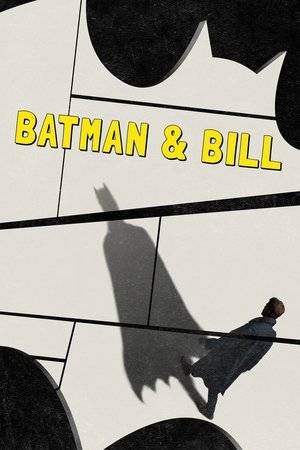
Everyone thinks that Bob Kane created Batman, but that’s not the whole truth. One author makes it his crusade to make it known that Bill Finger, a struggling writer, actually helped invent the iconic superhero, from concept to costume to the very character we all know and love. Bruce Wayne may be Batman’s secret identity, but his creator was always a true mystery.
Filmed at the Museum of Fine Arts, Boston and the Tate Britain, London, the exhibition reveals Sargent’s power to express distinctive personalities, power dynamics and gender identities during this fascinating period of cultural reinvention. Alongside 50 paintings by Sargent sit stunning items of clothing and accessories worn by his subjects, drawing the audience into the artist’s studio. Sargent’s sitters were often wealthy, their clothes costly, but what happens when you turn yourself over to the hands of a great artist? The manufacture of public identity is as controversial and contested today as it was at the turn of the 20th century, but somehow Sargent’s work transcends the social noise and captures an alluring truth with each brush stroke.
Death and the devil, nudity and eroticism, horror in blazing colours, Gothic art cast a spell over people 500 years ago. In these image-poor times, art deliberately and skilfully played with the emotions of the viewer, triggering fear, devotion, but also rapture. Art documentary on German gothic art of the late-middle ages.
A daughter is constantly overshadowed by her famous father, but she is determined to make her own mark in the world.
A film that looks at the genius of JMW Turner in a new light. There is more to Turner than his sublime landscapes - he also painted machines, science, technology and industry. Turner's life spans the Industrial Revolution, he witnessed it as it unfolded and he painted it. In the process he created a whole new kind of art. The programme examines nine key Turner paintings and shows how we should re-think them in the light of the scientific and Industrial Revolution. Includes interviews with historian Simon Schama and artist Tracey Emin.
Tadao Ando, a self-taught architect, proposes an international architecture that he believes can only be conceived by someone Japanese. His architecture mixes Piranesian drama with contemplative spaces in urban complexes, residences and chapels. This film presents the formative years of his impressive career before he embarked on projects in Europe and the United States.
Cameramen and women discuss the craft and art of cinematography and of the "DP" (the director of photography), illustrating their points with clips from 100 films, from Birth of a Nation to Do the Right Thing. Themes: the DP tells people where to look; changes in movies (the arrival of sound, color, and wide screens) required creative responses from DPs; and, these artisans constantly invent new equipment and try new things, with wonderful results. The narration takes us through the identifiable studio styles of the 30s, the emergence of noir, the New York look, and the impact of Europeans. Citizen Kane, The Conformist, and Gordon Willis get special attention.