A state of secrets and a ruthless hunt for whistleblowers – this is the story of 25-year-old Reality Winner who disclosed a document about Russian election interference to the media and became the number one leak target of the Trump administration.
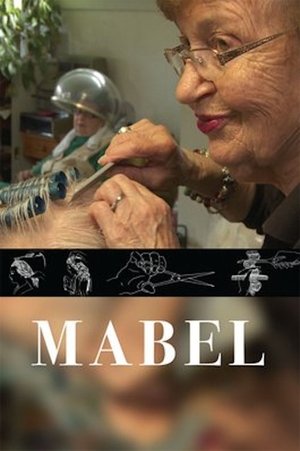
Feisty, fiercely independent and firmly rooted in place, 90 year-old Mabel Robinson broke barriers back in the 40s when she became the first woman in Hubbards, Nova Scotia, to launch her own business—a hairdressing salon where she still provides shampoo-n-sets over 70 years later. Weaving animation and archival imagery with intimate and laugh out loud moments in the salon, the film celebrates the power of friendship, doing what you love and staying active. With no desire to retire anytime soon, Mabel gives voice to a generation who are not front and center of cinema or the pop hairstyles of the day, and subtly shifts the lens on our perception of beauty and the elderly.
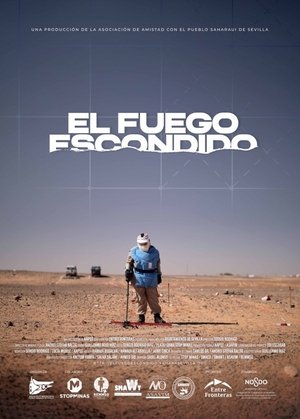
Silence always surrounds the mine, first when it explodes and then when it eternally haunts its victims. The history of the silence of this fire hidden by Morocco in the sand of Western Sahara has left more than 4,000 victims in what is considered the largest minefield in the world. Daha and Fatimetu suffered the effect of the silence of the mines, their lives changed forever, like that of the Saharawi people who, after 14 years cleaning the desert of artifacts, the rupture of the ceasefire have left the future of the contamination of their territory.
Taleb, who came to a refugee camp at the age of five in 1975 and returned there after his studies abroad, tells of his life as a displaced person, his gratitude for the reception and support in Algeria, and his hope that the Sahrawis may one day return to their homeland. For Taleb, this hope drives him to actively prepare for better times: as a graduate in agricultural sciences, he conceived a successful small-scale closed-loop economy in a desert under the most difficult conditions, producing enough food for self-sufficiency.
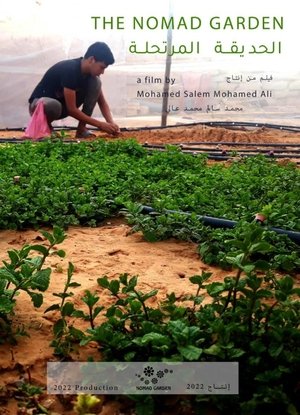
The Nomad Garden is an ode to the impossible. A young Sahrawi refugee shows how he grows organic vegetables and herbs in one of the most inhospitable places on Earth, overcoming challenges like the lack of water, extreme temperatures and a barren soil.
Sahrawi artist and visual poet Mohamed Sleiman Labat follows the story of the emerging phenomenon of small scale family gardens in his local community in the Hamada Desert. The film features the story of four families in Samara Camp with small scale gardens, their practices and the knowledge they develop as part of their practices in the garden. The camps are located in a very harsh environment with extreme climate conditions, and the Sahrawi are still dependent on international food aid.
Essa Terra é o Meu Quilombo
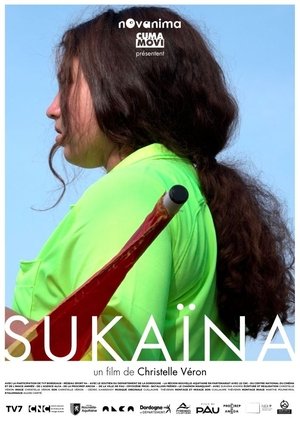
Sukaïna
Luminous Shores
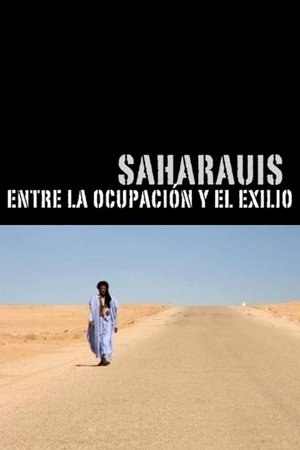
From a chronological perspective, “Saharauis, entre la ocupación y el exilio” (2010) explains the origins and key points of the Western Sahara conflict, especially since Spain handed over the territory to Morocco and Mauritania. Based on the interviews with the main people affected by the conflict, among others, this documentary shows the Sahrawi fight for survival in a society and a culture that have been able to prevail in occupied territory as well as in the refugee camps of Tindouf (Algeria).
25 minutes in the Sahara, is a snapshot of the 34 years of division in which resistance and justice for the Sahrawi community has played out. 1500 seconds of images and voices are heard from exile; voices that are not silent under occupation; that speak as immigrants and that hold their own as an international human platform. 1500 seconds to open and not close your eyes to the reality of these men and women, part of our History. A present of robbed freedoms, properties exploited and forgotten by those who hold the key to the globalisation of toture and repression. A bid, at the end of division, to grant the Right to a Future in the Present, from the West and democratic action in the name of the Sahara.
Bubisher, as well as being 'the bird of luck', is a word loaded with literary meaning in Spanish in the Sahrawi refugee camps of Tindouf. Seeing the way in which two cultures interact through small stories and tales can is striking and so is the contrast between the resilience of the young female generations and the realities of life in the desert. This documentary paints a picture of a generation of young female Sahrawis.
This is the story of Buyema Abdelfatan, also known as Castro, an ex Saharan soldier that now a days runs a centre for disabled children in the refugee camp of Smara (Tindouf, Algeria). A personal project that has earned him both praise and criticism, but could not continue without his dedication, perseverance and humanitarian aid that he receives.
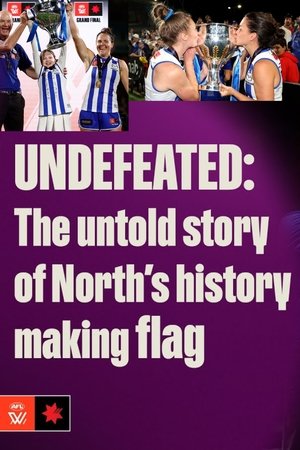
They didn’t drop a game throughout the 2024 home and away season, but the Kangaroos had to face their demons to win the Grand Final.
Atu is a 12-year-old Saharawi girl who comes to Valencia every summer to escape the suffocating desert summer in exile. Two opposing worlds between a conflict that has driven hundreds of thousands of people away from Western Sahara forcing them to live in southwestern Algeria. At her young age, with little resources and no homeland, she courageously faces the future.
Light Upon Light: A Documentary on Hijab is an intimate and deeply personal exploration of the diverse, raw, and untold stories of hijabi women. Through open and vulnerable conversations with 7 women, the film dismantles stereotypes, highlights the challenges imposed by society, and celebrates the profound beauty of the hijab beyond a mere clothing choice. It captures the individuality of each woman’s story—how they came to wear the hijab, the struggles they’ve faced, and the strength they’ve found in it. More than just fabric, the hijab is a journey, often misunderstood, and influenced by the way the world perceives it. By amplifying voices that are often unheard, the documentary creates a space for empathy, challenges misconceptions, and invites a deeper understanding of what it truly means to wear the hijab; inspiring everyone to see hijab in a new light.
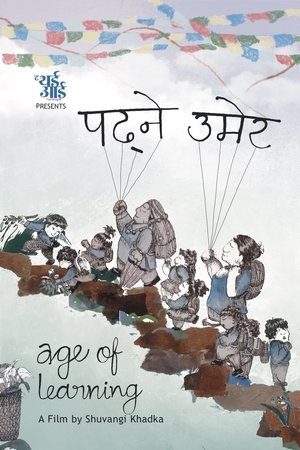
In rural Nepal, Bishnumaya Gurung, 48 and Palhamu Sherpa, 66 go to primary school everyday and make space for learning in their lives as single women.
This short documentary sifts through the pages of a woman's diary who has recently begun to write her memoir. As she looks back at her life and some of her memories, the film explores the ordinary act of writing and the value and meaning it may hold in mundane everyday life.
Three women share their experience of navigating the app-world in the metro city. The sharings reveal gendered battles as platform workers and the tiresome reality of gig-workers' identities against the absent bosses, masked behind their apps. Filmed in the streets of New Delhi, the protagonists share about their door-to-door gigs, the surveillance at their workplaces and the absence of accountability in the urban landscape.
The mother of animation director Rebecca Blöcher didn’t want to live an ordinary life. She wanted “something more,” she explains in this stop-motion film. The people around her didn’t understand—in a letter written in 1968, a girlfriend criticizes her for going out on her own and making men jealous, while advising her to dress in a more “feminine” way and to join a cooking course. Blöcher’s mother brushed aside the advice. Years later still, she divorced her husband and stepped into the big wide world.