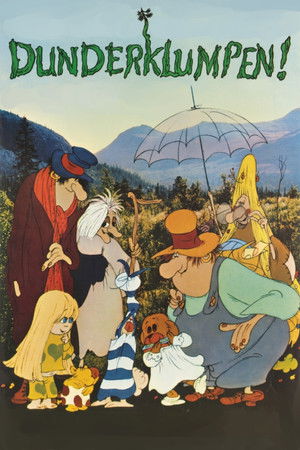
Dunderklumpen lives all alone in the mountains of Jämtland. One Midsummer's Eve when he feels very lonely he sets off on a journey to find friends.
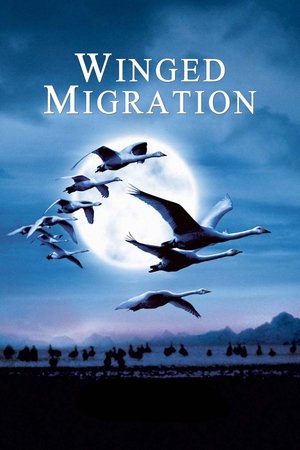
This documentary follows various migratory bird species on their long journeys from their summer homes to the equator and back, covering thousands of miles and navigating by the stars. These arduous treks are crucial for survival, seeking hospitable climates and food sources. Birds face numerous challenges, including crossing oceans and evading predators, illness, and injury. Although migrations are undertaken as a community, birds disperse into family units once they reach their destinations, and every continent is affected by these migrations, hosting migratory bird species at least part of the year.
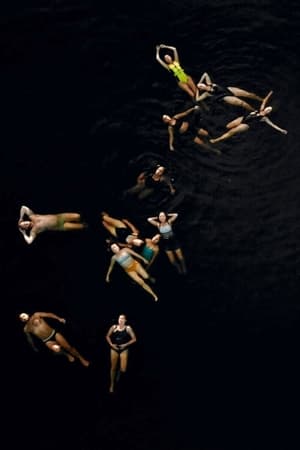
Two queer Brazilians go skinny dipping in a lake where they talk about love, sex, colonialism and migration, on a pandemic summer afternoon in Berlin.
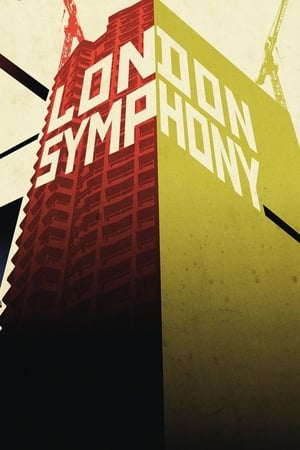
LONDON SYMPHONY is a brand new silent film - a city symphony - which offers a poetic journey through the city of London. It is an artistic snapshot of the city as it stands today, and a celebration of its culture and diversity.
A day in the city of Berlin, which experienced an industrial boom in the 1920s, and still provides an insight into the living and working conditions at that time. Germany had just recovered a little from the worst consequences of the First World War, the great economic crisis was still a few years away and Hitler was not yet an issue at the time.
A trip on the Swedish lake Mälaren by a 115-year-old steamboat. The journey between Stockholm and Mariefred takes 3,5 hours. The steamboat Mariefred was manufactured over a hundred years ago and is one of the last steam-powered vessels on the lake. The steam whistle sounds when Maja, as she is called in Mariefred, steers into the bay towards the small town. A fanfare for the summer!
A documentary film that shows the endemic bird species that spend most of the year in the Prespa Lake region.
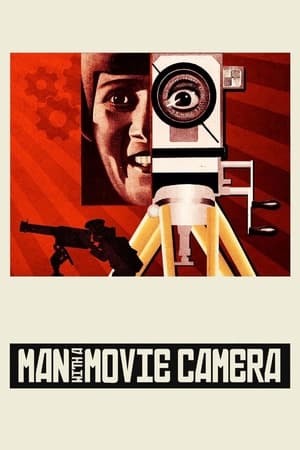
A cameraman wanders around with a camera slung over his shoulder, documenting urban life with dazzling inventiveness.
A reframing of the classic tale of Narcissus, the director draws on snippets of conversation with a trusted friend to muse on gender and identity. Just as shimmers are difficult to grasp as knowable entities, so does the concept of a gendered self feel unknowable except through reflection. Is it Narcissus that Echo truly longs for, or simply the Knowing he possesses when gazing upon himself?
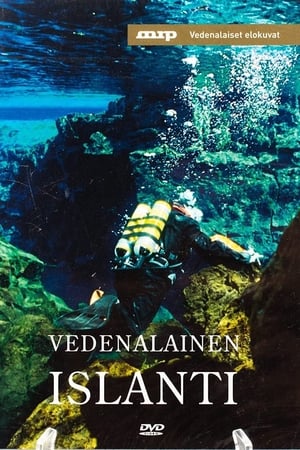
Marko Röhr's film crew takes the viewer to Europe's last unexplored area: Iceland's unique underwater world. We explore the geysers of boiling waters and the crystal clear lakes off the coast of Iceland. We dive under the icebergs, into the tears between the continental plates and into the deep caves.
"The theme of the film HIDDEN CITIES is personal urban perceptions, which we call 'the city'. The city, as a living organism, reflecting social processes and interactions, economic relations, political conditions and private matters. In the city, human memories, desires and tragedies find expression in the form of designations and marks engraved in house walls and paving slabs. But what the city really is under this thick layer of signs, what it contains or conceals, is what we are researching in the HIDDEN CITIES project. The source material for the film are 9 sequential photo works created by Gusztáv Hámos between 1975 and 2010. Each of these 'city perceptions' depicts essential situations of urban experiences containing human and inhuman acts in a compact form. The cities in which the photo sequences have been made are Berlin, Budapest and New York – places with a traumatised past: Wars, dictatorships, terrorist catastrophes."
Morning reveals New York harbor, the wharves, the Brooklyn Bridge. A ferry boat docks, disgorging its huddled mass. People move briskly along Wall St. or stroll more languorously through a cemetery. Ranks of skyscrapers extrude columns of smoke and steam. In plain view. Or framed, as through a balustrade. A crane promotes the city's upward progress, as an ironworker balances on a high beam. A locomotive in a railway yard prepares to depart, while an arriving ocean liner jostles with attentive tugboats. Fading sunlight is reflected in the waters of the harbor. The imagery is interspersed with quotations from Walt Whitman, who is left unnamed.
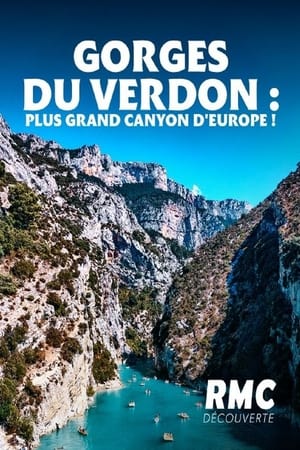
Gorges du Verdon: Les défis du plus grand canyon d'Europe
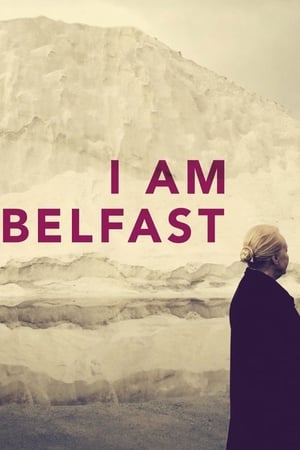
Belfast, it's a city that is changing, changing because the people are leaving? But one came back, a 10,000 year old woman who claims that she is the city itself.
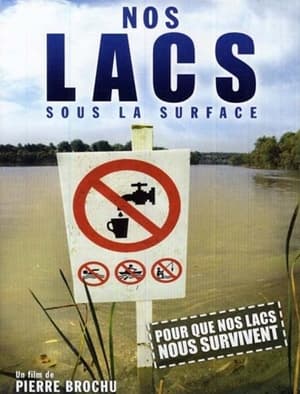
In Quebec, the lakes we love and take for granted are quickly perishing, as highlighted by the proliferation of aquatic plants and algae in our water bodies. With images of lakes and dozens of interviews, the documentary points the finger at those responsible for this decline.
An experimental meditation on Times Square's marquees and iconic advertising that captures the concurrently seedy and dazzling aspects of New York's Great White Way.
Highlighting the canal’s quiet beauty and fascinating people, Part 2 travels from the Genesee Waterways to Spencerport, Brockport, Holley, and Lockport– taking to the trails and the water, on everything from the historic Sam Patch tour boat to Luxury cabin cruisers. Dr. William Hullfish, a SUNY Brockport associate professor, musician and the expert in Erie Canal Songs.
The Erie Canal was an engineering marvel in its time and remains so today. This documentary travels from Palmyra to the Genesee River, stopping along the way to visit the people and places that make the canal so special. Canal historian Thomas Grasso offers insight into the canal’s past while the Golden Eagle String Band provides the music track.
Gubara was proud of the first color film in African cinema, which attempts to give an African response to the city symphony genre by capturing disparate images of daily life in Khartoum and setting it to music, particularly romantic Arabic songs.
"The Hart of London" is an endlessly layered tour de force. It explores life and death, the sense of place and personal displacement, and the intricate aesthetics of representation. It is a personal and spiritual film, marked inevitably by Chambers’s knowledge that he had leukemia. The late American avant-garde filmmaker Stan Brakhage said of Hart, "If I named the five greatest films [ever made], this has got to be one of them." Even this high praise falls short of hyperbole. The Hart of London is at the centre of Chambers’s extraordinary achievement.