The documentary takes the viewer to the Polish countryside of the mid-1970s. Andrzej, Leszek, Eugeniusz, Ryszard and Jerzy are young men who dream of finding their other half. The film's protagonists have advertised in newspapers and talk frankly and without inhibition about their search and the dilemmas it involves. The picture is complemented by the statements of their parents, who watch their sons' efforts to start a family with love but also concern. The film also gives an insight into the problems farmers face - not only love but also hard work on the land awaits the chosen one of their hearts. "Either get married or quit this farm", "What's one to do on a farm?" - say the characters in the film. The countryside is not a place made for living alone.
A partnership between the Government of Mali and an American agricultural investor may see 200-square kilometers of Malian land transformed into a large-scale sugar cane plantation. Land Rush documents the hopes, fears, wishes, and demands of small-scale subsistence farmers in the region who look to benefit, or lose out, from the deal.
The people and their labor are bound to the land in the cycle of activities to the sowing to the harvesting of wheat. Without narration or subtitles, the film conveys a sense of unity between the people and the land. Filmed in the Balkh Province, an area inhabited by Tajik and other Central Asian peoples. The town of Aq Kupruk is approximately 320 miles northwest of Kabul. The theme of the film focuses on rural economics. The film and accompaning instructor notes focus on herding, and fishing under diverse environmental conditions. The impact of technological change, human adaptation, and governmental extension of market systems are parallel themes.
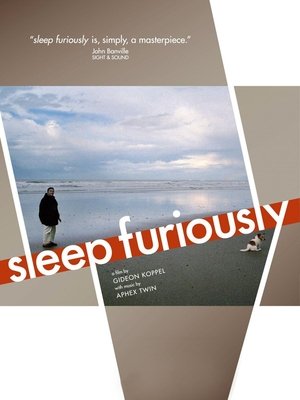
Set in a small farming community in mid Wales, a place where Koppel's parents - both refugees - found a home. This is a landscape and population that is changing rapidly as small scale agriculture is disappearing and the generation who inhabited a pre-mechanised world is dying out. Much influenced by his conversations with the writer Peter Handke, the film maker leads us on a poetic and profound journey into a world of endings and beginnings; a world of stuffed owls, sheep and fire.
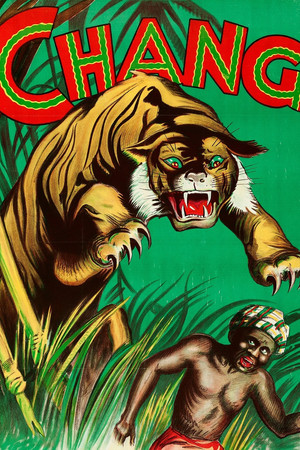
Elephants disrupt the lives of a family deep in the jungles of Northern Siam, and an entire village.
Indigenous farmers in Peru, Nicaragua, Italy, France, Australia and New Zealand share their intimacy with the land and the seeds they have nurtured for generations; global corporations attempt to 'own' the intellectual property of seeds.
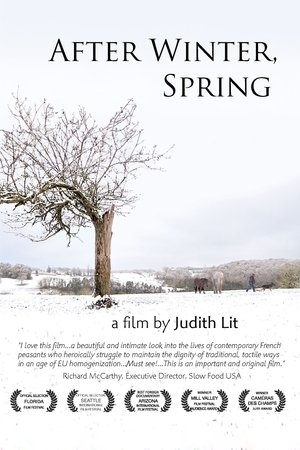
Family farmers in southwest France practice an ancestral way of life under threat in a world increasingly dominated by large-scale industrial agriculture.
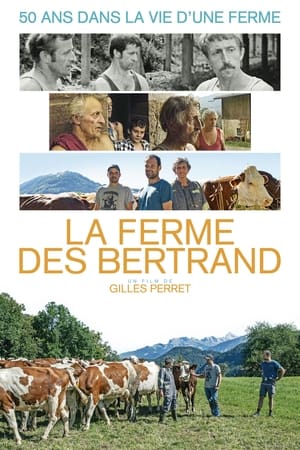
1972 in Haute-Savoie (France) : the Bertrand's farm, with a hundred dairy cows owned by three bachelor brothers, is filmed for the first time. In 1997, they were the subject of Gilles Perret's first movie, as they let their farm to their nephew Patrick and his wife Hélène. Nowadays, 25 years later, Gilles Perret take another look at this farm, managed by Hélène who will step down. Through their words, an intimate, social and economic history of the rural world.
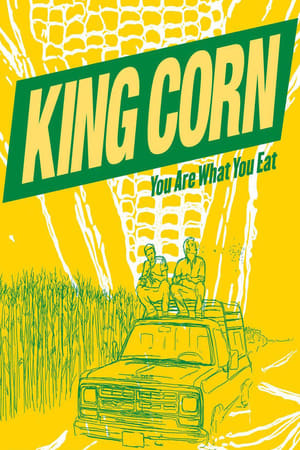
King Corn is a fun and crusading journey into the digestive tract of our fast food nation where one ultra-industrial, pesticide-laden, heavily-subsidized commodity dominates the food pyramid from top to bottom – corn. Fueled by curiosity and a dash of naiveté, two college buddies return to their ancestral home of Greene, Iowa to figure out how a modest kernel conquered America. With the help of some real farmers, oodles of fertilizer and government aide, and some genetically modified seeds, the friends manage to grow one acre of corn. Along the way, they unlock the hilarious absurdities and scary but hidden truths about America’s modern food system in this engrossing and eye-opening documentary.
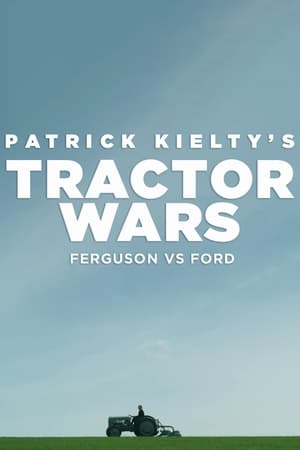
Patrick Kielty explores the untold story of Harry Ferguson and Henry's Ford's remarkable handshake agreement and how it led to a $250 million lawsuit.
Sprout. In the vacant lots against the hammering of buildings always under construction, between walls of granite, cement and sheet metal with rust, moss and cats; on the hillside between the train and the river, next to the traffic on the highway, facing the subway, vegetable gardens sprout. In this city, the choreography of ancient gestures of cultivating the land is repeated day after day, without fail. Sowing, digging, harvesting, watering, eating, talking, resting and returning the next day. The longest day of the year brings S. João and nobody goes to bed, but when the sun rises, the discreet gestures of resistance will restart.
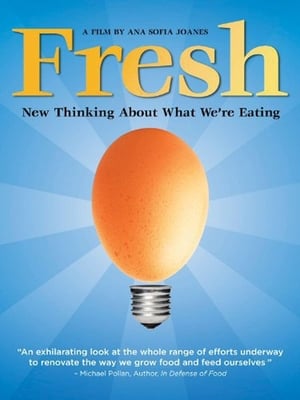
FRESH is more than a movie, it’s a gateway to action. Our aim is to help grow FRESH food, ideas, and become active participants in an exciting, vibrant, and fast-growing movement.
Sepp Holzer explains some of the innovative, labour-saving agricultural techniques he applies at his farm in the Eastern Alps of Salzburg, Austria.
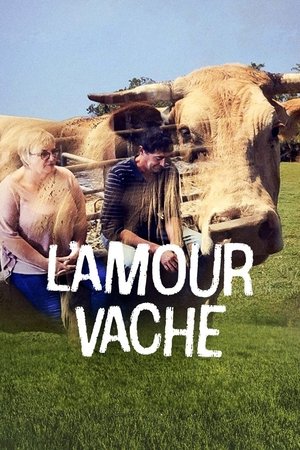
L'Amour vache
Marx hört auf
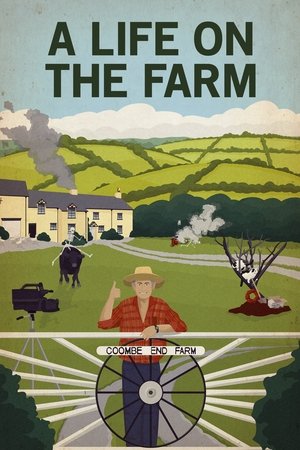
A strange story from Somerset, England about a filmmaking farmer and the inspiring legacy of his long-lost home movies.
America's policy of producing cheap food at all costs has long hobbled small independent farmers, ranchers, and chefs. Worried for their survival, trailblazing food writer Ruth Reichl reaches out across political and social divides to uncover the country's broken food system and the innovators risking it all to transform it.
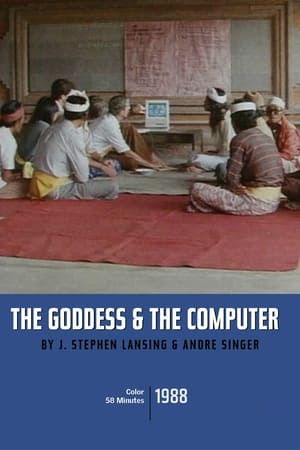
For centuries, rice farmers on the island of Bali have taken great care not to offend Dewi Danu, the water goddess who dwells in the crater lake near the peak of Batur volcano. Through an analysis of ritual, resource management practices (planting schedules, irrigation vs. conservation, etc) and social organization, anthropologist Steve Lansing and ecologist James Kremer discover the intricacy and sustainability of this ancient water management agricultural system.
A farmer struggles to make a living on his land near the coast of the Dead Sea.
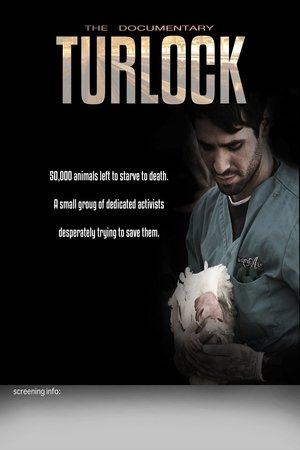
Turlock, chronicles the story of over 50,000 animals left to starve to death in Turlock California in February 2012. Faced with the largest animal neglect case in US history, ANIMAL PLACE, a sanctuary for farmed animals, puts everything on the line in an effort to save as many lives as possible. Through the emotional darkness of witnessing tremendous cruelty and neglect, rescuers find light in the fragile beings they are able to save. Produced by First Spark Media, Animal Place and a grant from The Pollination Project, the film delves into the reality of animal farming and raises questions about how we view non-human animals in our society today.