The film returns to the origins of the creation of the State of Israel (from 1896 to 1948) and highlights the responsibility of the Western World.
Ayn Hawd is a Palestinian village that was captured and depopulated by Israeli forces in the 1948 war. In 1953 Marcel Janco, a Romanian painter and a founder of the Dada movement, helped transform the village into a Jewish artists' colony, and renamed it Ein Hod. This documentary tells the story of the village's original inhabitants, who, after expulsion, settled only 1.5 kilometers away in the outlying hills. This new Ayn Hawd cannot be found on official maps, as Israeli law doesn't recognize it, and its residents, deemed "present absentees" by the authorities, do not receive basic services such as water, electricity or an access road. Rachel Leah Jones' filmmaking debut is a critical look at the art of dispossession and the creativity of the dispossessed.
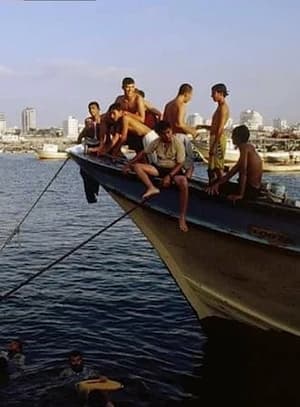
Tawfiq’s Reef chronicles the plight of Palestinian fishermen in Gaza, heavily restricted in the area in which they can fish, often indebted, shot at, harassed or imprisoned by the Israeli Navy on the narrow sliver of fishing waters available to them off the Gaza coastline, making this one of the most dangerous professions in the world.
Set in the al-Mishal Cultural Center in Gaza before it was destroyed by an Israeli air strike on August 9, 2018, A Play Before The Bombs is a story that unfolds over a 4 year period. The film follows Abeer Ahmed, a young woman growing up in the Jabaliya Refugee Camp, the largest refugee camp in Gaza, as she and the other members of her cast and crew prepare to put on a play that focuses on a Palestinian woman’s right to receive inheritance. While the content of the play is tailored towards fostering a cultural discussion among Palestinians, neither the play nor the playhouse can escape the omnipresence of the Israeli siege on Gaza. A siege that shatters literal buildings as well as the hopes and dreams of the performers and community members who take refuge within the walls of al-Mishal in search of artistic fulfillment.
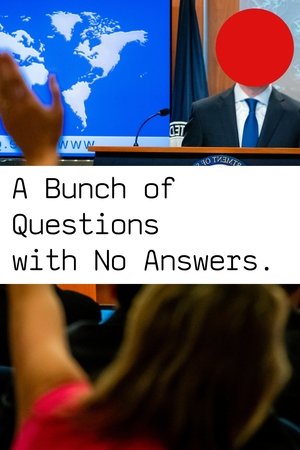
A Bunch of Questions with No Answers (2025) is a 23-hour film by artists Alex Reynolds and Robert M. Ochshorn. Compiled entirely from questions posed by journalists at U.S. State Department press briefings between October 3, 2023, and the end of the Biden administration, the work removes the officials’ answers, leaving only the unresolved demands for clarity and accountability.
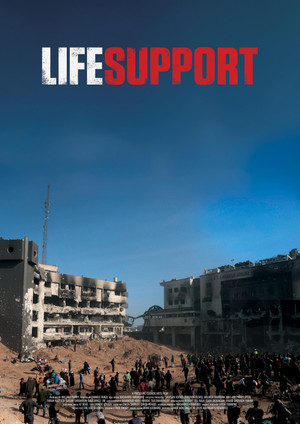
Since October 2023, Gaza has been sealed from the world-except for one group. International doctors breach the blockade, what they find is not just a humanitarian crisis, but a calculated dismantling of life itself.
A portrait of two Palestinian women whose individual struggles both define and transcend the politics that have torn apart their homes and their lives. Farah Hatoum, a widow living with her children and grandchildren, and Sahar Khalifeh, a novelist from the West Bank.
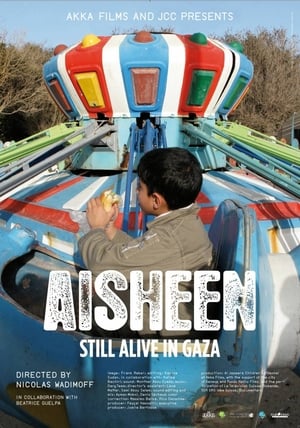
Going behind the usual images of war-torn Gaza, Swiss documentarian Nicolas Wadimoff offers this look at how people survive despite constant threat of danger. Children still play, rappers still create music and families still love one another. In addition to visiting the United Nations Food Distribution Center, Wadimoff films at a derelict amusement park and profiles the DARG TeaM rappers, whose politically charged music proclaims their defiance.
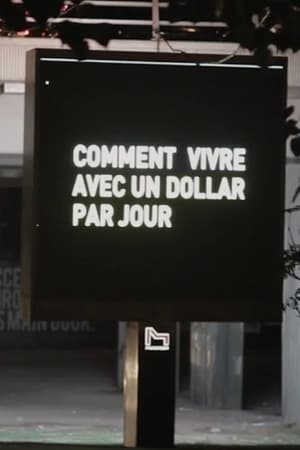
Poetry is everywhere, even in the refugee camps where absolute misery reigns. In front of old plastic advertising posters on which are drawn in giant format the big icons of luxury and consumerism that make up their shelters, refugee children stand like kings. Symbols of life at the heart of war, fragility, and death, these children are shown by Jocelyne Saab as precious notes of hope in the heart of a dehumanized world. One Dollar a Day was filmed in the Syrian refugee camps of the Bekaa plain, Lebanon in 2015, with text by Etel Adnan.
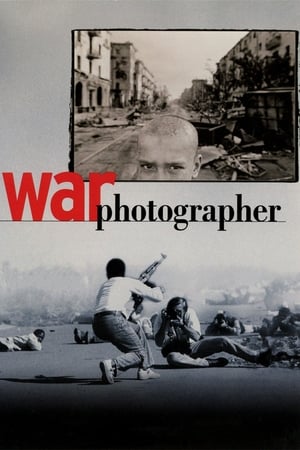
Documentary about war photographer James Nachtwey, considered by many the greatest war photographer ever.
Assassinated Lebanese intellectual Mahdi Amel — often dubbed “the Arab Gramsci” — famously said: “He who resists is never defeated.” What use is his thought to us today, and what is our responsibility as image makers to Gaza?
An attempt to express the daily experience of Palestinians excluded by an apartheid regime, exploring various aspects of the Israeli occupation. Through narratives from four different regions of Palestine, it culminates in a collective narrative of Palestinian resistance as an everyday act of survival and struggle.
The film explores the first Palestinian Intifada against the Israeli Occupation in the West Bank and the Gaza Strip. It shows moving images of resistance against the Israeli occupation, while exploring the steadfast determination of the Palestinian People, confronting a modern army with stones. The film highlights the active and important role of women in the intifada.
Structured in chapters, the film moves from the aftermath of the 1967 war to mass demonstrations and training grounds, where men, women, and children practice survival and resistance. The camera’s proximity, switching between black-and-white and colour, treats cinema as witness, archive, and rallying cry.
A Liberatory Demand from Queers in Palestine
Fourteen years after his first visit, Louis Theroux meets some of the growing community of religious-nationalist Israelis who have settled in the occupied West Bank.
Interviews with Palestinians living in Lebanese refugee camps, some of it shot in Sabra and Shatila before the massacre.
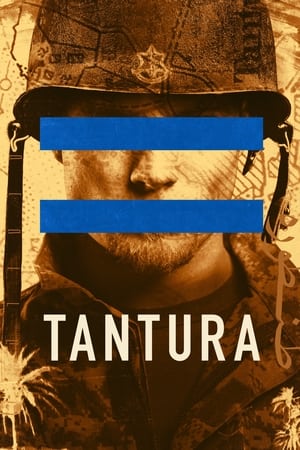
When, in the late 1990s, Israeli student Teddy Katz exposed the massacre of Palestinian civilians by Israeli forces in the village of Tantura, in May 1948, during the first Arab-Israeli war, he was initially praised for his pioneering work; but he was soon infamous and branded a traitor. Decades later, incendiary new evidence emerges that corroborates Teddy's findings.
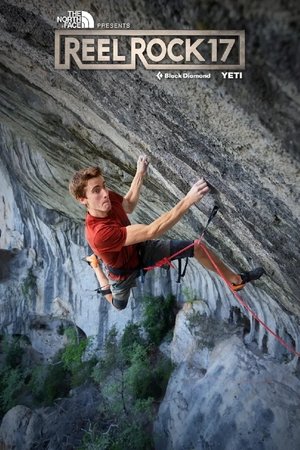
Three new films featuring the biggest climbing and adventure stories of the year: ADN - SEB BOUIN: 29-year-old French sport climber Seb Bouin quietly climbed the elite ranks, culminating in his attempt to establish a long slope in a cave overhang in the Gorges du Verdon in France / CLIMBING RESISTANCE: In the hills torn by the Palestinian conflict, young Palestinians embrace rock climbing as a necessary respite from the oppression of the occupation Israeli. American writer and climber Andrew Bisharat visits the West Bank to explore his own roots and the power of climbing to transcend existence / BURNING THR FLAME: Big wall free climbing masters Babsi and Jacopo seek their most Biggest challenge so far: a free ascent of "Eternal Flame", a 3,000 foot route on the legendary Nameless Tower in Pakistan's Karakoram Range.
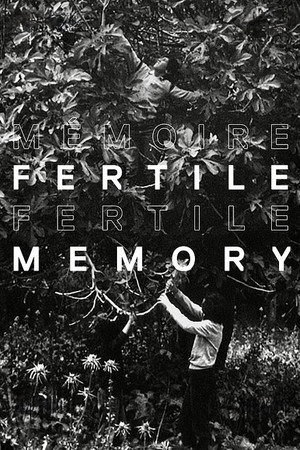
Gaza Ghetto: Portrait of a Family, 1948 – 1984 is a documentary film about the life of a Palestinian family living in the Jabalia refugee camp. The film, created by Joan Mandell, Pea Holmquist, and Pierre Bjorklund in 1984 is believed to be the first documentary ever made in Gaza. The film features Ariel Sharon, Binyamin Ben-Eliezer and soldiers on patrol "candidly discuss[ing] their responsibilities." The film follows a refugee family from the Gaza Strip who visit the site of their former village, now a Jewish town in Israel. As the grandfather and great-grandfather point out an orchard and sycamore fig that belonged to Muhammed Ayyub and Uncle Khalil, an Israeli resident appears and tells them to leave, claiming they need a permit to be there. The mother tells him that, "We work in Jaffa and Tel Aviv and that's not forbidden," to which he replies, "Here it's forbidden."