The highest mountain range in the world, the Himalayan range is far reaching, spanning thousands of miles, and holds within it an exceptionally diverse ecology. Coniferous and subtropical forests, wetlands, and montane grasslands are as much a part of this world as the inhospitable, frozen mountaintops that tower above. The word Himalaya is Sanskrit for abode of snow, fitting for a stretch of land that houses the world’s largest non polar ice masses. Extensive glacial networks feed Asia's major rivers including the Ganges, Indus, and Brahmaputra. More than a billion people rely on these glacier-fed water sources for drinking water and agriculture. The Himalayas are not only a remarkable expanse of natural beauty. They're also crucial for our survival.
Deep in the jungles of Southeast Asia is an elusive and endangered member of the panther family that is threatened by poachers, development, and natural habitat changes. The fate of this exotic, python-patterned, clouded leopard may rest in the hands of a small cadre of scientists, activists, and veterinarians determined to help it stave off extinction. Three daring women comb the forests of Thailand for evidence of the elusive "ghost cat." They infiltrate a notorious smuggler's paradise and black market of exotic animals, determined to save the stunning creature.
Two Canadian experts in underwater filming, Mario Cyr and Jill Heinerth, join forces for the first time to record how Arctic wildlife is adapting to the dramatic effects of climate change.
Le retour des baleines à bosse
The culture of Japan is incredible, from bloom festivals to ultra-modern cities. But there are also more than 130 mammals and 600 bird species dwelling in Japan’s 6852 islands. This island chain is long enough to span climate zones, providing a huge range of habitat.
Jaguar: Jungle Icon of Guyana
When director and ethnologist Hana Nováková encountered an elk, it changed her life. And she wasn't the first. For centuries, people across continents and cultures have been fascinated by this ancient totem animal, one of the largest mammals in the northern hemisphere. Whereas in the past they wanted to conquer it, today they tend to listen to it. The director's cinematic odyssey is the result of several years of searching for the secrets of the moose. It leads from Czech forests through a Russian domestication station to the territory of the indigenous peoples of Canada. A collage of stories told from personal, spiritual, and scientific perspectives shows the moose as a guide between worlds, a symbol of balance and renewal, and a possible answer to the question of how we can heal our relationship with nature.
Greenland
Around the Crozet Islands, here is the incredible odyssey of a family of Sperm Whales facing rapid changes in their environment. From the stormy surface to the eternal darkness of the abyss, several generations of these deep-sea divers encounter men and their "toys": harpoons of yesterday, and fishing lines of today. Once victim of whale hunting, now accused of stealing fish, a sperm whale shares its private life with us.
Polecat – Europe’s Relentless Hunter
Bonobos show a particularly pronounced sexual activity and an extraordinarily broad spectrum of sexual contacts for primates. These also extend to non-reproductive life phases and partner combinations. For example, homosexual contacts and sexual contacts between young animals or with adults are frequent, and females are ready to mate throughout the menstrual cycle. Bonobos use sexual contacts not only for reproductive purposes, but also in the context of social conflicts, where they have a clear tension-reducing or peacemaking function.
The River Emajõgi forms a powerful water world hiding an ancient life. Little Aleksander together with his filmmaker father Remek Meel discovers Alam-Pedja nature reserve and the secrets of its enchanting world. Father and son get acquainted with the hidden life of eagles, beavers, otters, waxwings, great snipes, ravens, penduline tits and Ural owls.
Die Bio-Revolution - Die Karriere der ökologischen Landwirtschaft
Squeeze: African Python
While hunting, the Peregrine Falcon can reach speeds of over 90 miles per hour. During its aerial displays, it holds the all-time speed record of 242 miles per hour. It's not surprising that this powerful bird of prey has conquered the planet and can be found on the five continents. Worshipped, dressed up and trained for prestigious hunts, this powerful and beautiful bird has long fascinated us.
Jellyfish blooms are making headlines around the world. This is due to the damage they cause to tourism, fishing and our health. How can these creatures, which are over 98% water and have no shell, skeleton or brain, expand so rapidly? Although this is a normal stage in the life cycle of these gelatinous animals, we have to admit that blooms have become much more frequent and massive in recent decades. We're even witnessing jellyfish populations appearing in more and more regions where fish have been replaced by them, such as off the coast of Namibia, in the Black Sea, in the Sea of Japan and in certain areas of the Baltic Sea. What causes this? Why has the role of jellyfish in the ocean been underestimated, even though they outlived the dinosaurs? Are jellyfish on their way to dominating the oceans as they once did? What if they were to be the only ones left?
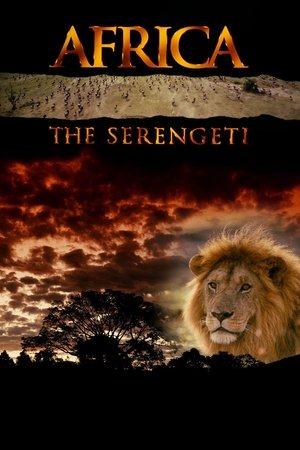
For many years lions and hyenas have competed hard for meat. Both control each other, stealing and killing each other. But in this game, both survive and no one prevails.Their destinies are united. This is the story of the ancestral confrontation between the most iconic predators of Africa
Gibbons are highly intelligent, agile and acrobatic tree-dwelling apes, found in the tropical forests of Asia. Most of the gibbon species are highly endangered and are on the verge of extinction as a result of the destruction of their tropical rain forest habitat as well as being hunted for food.
West Coast of England, redshanks wander through wetlands in search of food while facing constant threats from loose dogs.
At a wildlife rehabilitation center in the Pacific Northwest, the steady, practiced, and gentle hands of veterinarians nurse dozens of convalescing animals back to health.