The first woman to appear in front of an Edison motion picture camera and possibly the first woman to appear in a motion picture within the United States. In the film, Carmencita is recorded going through a routine she had been performing at Koster & Bial's in New York since February 1890.
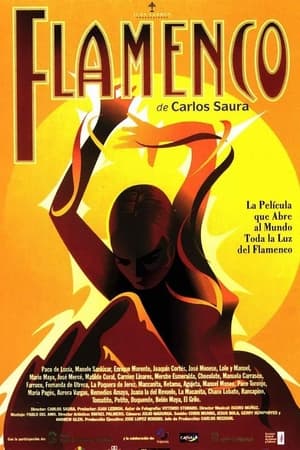
The film presents thirteen rhythms of flamenco, each with song, guitar, and dance: the up-tempo bularías, a brooding farruca, an anguished martinete, and a satiric fandango de huelva. There are tangos, a taranta, alegrías, siguiriyas, soleás, a guajira of patrician women, a petenera about a sentence to death, villancicos, and a final rumba.
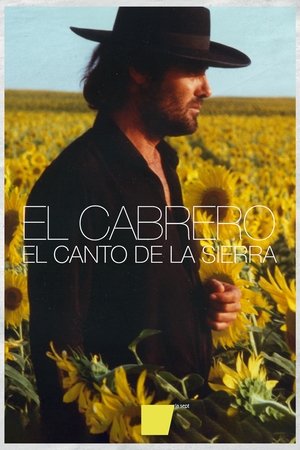
Documentary portrait of José Domínguez Muñoz, better known as "El Cabrero" (French for "the goatherd"), Spanish libertarian flamenco singer born in Aznalcóllar, province of Seville, in 1944 and filmed over two weeks in 1988 in Seville, Aznalcóllar, La Carbonería de Sevilla and Marinaleda, and in concert at a recital in Bayonne. Politically committed, El Cabrero defines himself as a libertarian. Since the 1970s, he has been close to the anarchist movement. For many years, he was a member of the anarcho-syndicalist Confédération Nationale du Travail.
Moving Together is a celebratory love letter to music and dance that brims with kinetic life and energy. This documentary explores the intricate collaboration between dancers and musicians, moving seamlessly between Flamenco, Modern, and New Orleans Second Line.
Entrevista completa con Rosalía: Motomami por dentro
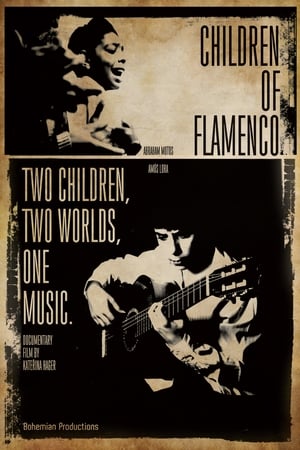
This film tells a story about two young talented artists coming from different ethnic and family backgrounds whose paths cross because of their unusual talent and passion for flamenco music. Amós is twelve and grows up in Salamanca. A rising star recognized by Paco de Lucía, Amós has been playing guitar and composing since he was three. Abraham is a twelve year old flamenco singer from the Gypsy community in Madrid's periphery. He grows up in an extended family where flamenco singing is a part of everyday life and passed on from generation to generation. This is a moving story about child fame, the road taken to get there and the vibrant subculture of flamenco.
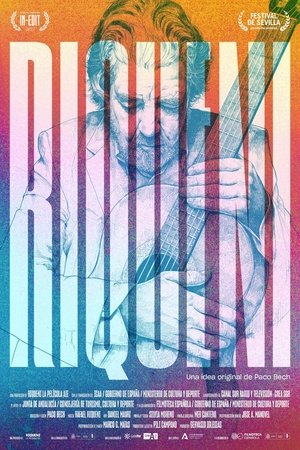
Riqueni
A look at the history and traditions of flamenco music and dance.
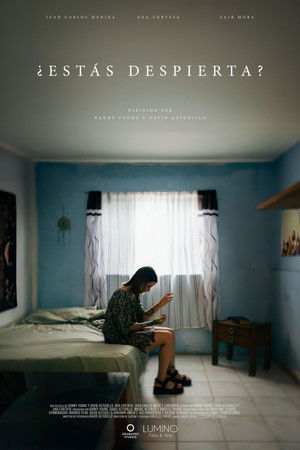
After seeking transcendence through shamanic rituals, Ana’s life is transformed overnight by an unexpected turn toward faith.
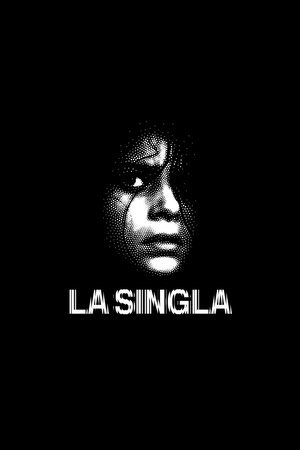
In the 1960s, a young Spanish flamenco dancer named Antonia Singla captivated audiences with her strikingly passionate performances. Having lost her hearing at a young age, La Singla rose to fame with her commanding presence through a combination of her powerful gaze and thunderous movement. However, just at the height of her fame, she seemingly disappeared and decades later has been all but forgotten. When a young woman in Seville comes across La Singla’s story, a bigger picture starts to be unveiled. Through research, interviews and captivating archival footage, she starts to piece together the legend of La Singla. Through the beauty of her performances and the heartbreak of her story, La Singla celebrates and preserves the legacy of one of the greatest Flamenco dancers of all time.
The isolation of the Greek countryside combined with the lifestyle that a musical instrument maker leads, a lifestyle that many would consider peculiar, creates an interesting reality, one that is simple, yet unconventional. A portrait that will introduce us to the world of flamenco, uniting cultures and musical traditions around the world.
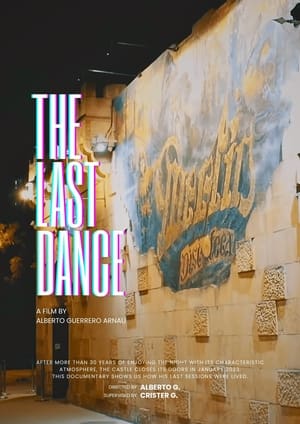
Merlin nightclub opened in 1992 in Barcelona and its medieval appearance did not leave anyone indifferent from the first day. After more than 30 years of enjoying the night with its characteristic atmosphere and varied musical selection, the castle was forced to close its doors in January 2023 despite filling the room every weekend. This video immortalizes the place through its regular customers and staff.
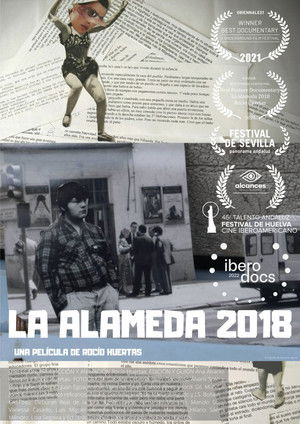
La Alameda 2018
Colita: El viaje sin fin
"Nueve Sevillas" is a heterodox psycho-geographical profile of the new flamenco in Seville. Nine characters coexist with the great flamenco artists of today.
Enrique Morente's three sons tell the story of their father: the most revolutionary flamenco in history. Despite criticism from purists, he opened cante jondo to cultured poetry, brought it closer to young university students, explored its Arab roots and paired it with rock and other contemporary sounds. Much of the Spanish music of the last decades is heir to his findings.
In his time of greatest splendor, the singer Miguel 'Bambino' Vargas Jiménez (1940-99) was the last frontier of flamenco, an immense musical genre that he developed and brought closer to large audiences: an artist of artists, the idol of the roadside bars, whose inimitable style, scenic magnetism and heartbreaking personality made of his figure a myth, a king without a kingdom, a giant of the popular music of the 20th century.
The documentarial work on world wide famous flamenco dancer Sara Barba's latest show "voices"
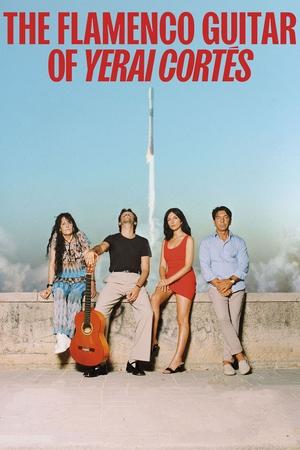
A thoughtful exploration of gypsy culture, an intimate portrait of flamenco guitar player Yerai Cortés and a healing family exorcism through music. Antón Álvarez (aka C. Tangana) makes his filmmaking debut with this documentary.
Explores the life and musical career of Migue Benítez, a key figure of the "garrapatero" sound and co-founder of Los Delinqüentes. Through personal testimonies and archives, this documentary traces his origins in Jerez de la Frontera, his creative process, and the unforgettable impact that his art left on those who shared his path.