Impressionistic glimpses of London life from early morning to rush hour.
The internal journey of eight men, who, through a theater workshop, go through the different prisons they inhabit. Practicing the art of seeing themselves, in Boal's words, this group of men reflects on their masculinity as a representation to hide their true strength: their vulnerability.
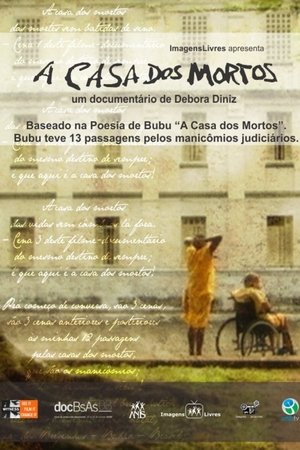
Bubu is a poet who has been committed to state institutions for the insane twelve times. He challenges the meaning of hospital-jails, hybrid institutions which sentence the insane to life imprisonment. The poem "The House of the Dead" was written during the filming of the documentary and reveals the forgotten deaths that occur in these judicial asylums. There are three stories in three acts of death. Jaime, Antonio, and Almerindo are anonymous men, considered dangers to society, whose punishment is the tragedy of suicide, the unending cycle of being committed to the asylum, or surviving life imprisonment in the house of the dead. Bubu is the narrator of his own life and also of his own destiny-death in the asylum.
A convicted felon builds a feminist movement from behind bars at an all-male prison in Soledad, California.
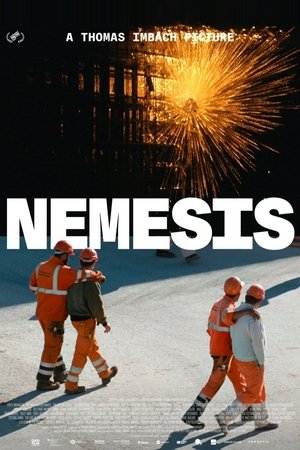
The film explores the destruction of a unique train station in Zurich and the construction of the new prison and police centre in its place. From the perspective of the filmmaker’s window, and with testimony from prisoners awaiting deportation, the film probes how we deal with the extinction of history and its replacement with total security.
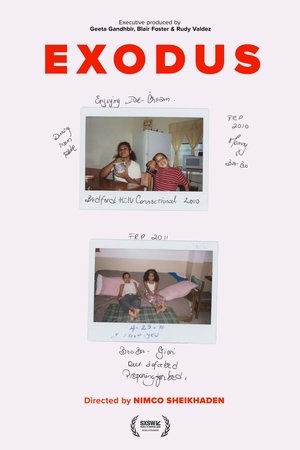
EXODUS is an intimate, lyrical portrait of Trinity Copeland and Assia Serrano as they struggle to make sense of their lives post-release, exploring the overarching question of: What does life after prison look like? Grappling with the weight of what they’ve done—and what society has done to them—the film explores the burden of absence, the toll of separation, and what it takes to rebuild fractured bonds.
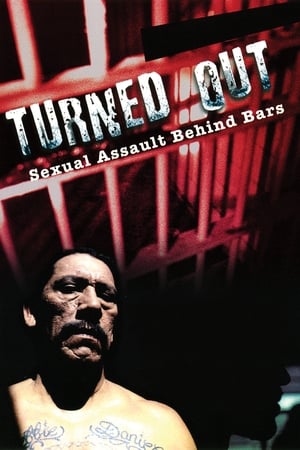
A look beyond the shock and inhumanity of prison rape to the intricate social hierarchy that keeps it alive. A filmmaker goes deep inside Alabama's infamous Limestone penitentiary to uncover the long-term causes and consequences of prison rape. With a startling lack of inhibition, five inmates reveal the workings of an elaborate inner society.
A group of women prisoners have signed up to foster retired racing greyhounds and get them ready for adoption. The prisoners have just eight weeks to transform the dogs into family pets, or the dogs could be euthanised.
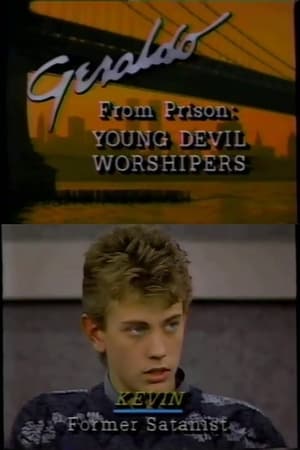
Devil worship? Could it be real? Follow up to Devil Worship: Exposing Satan's Underground.
A father exits prison and tries to integrate with his two children and girlfriend while living in a halfway house and on parole.
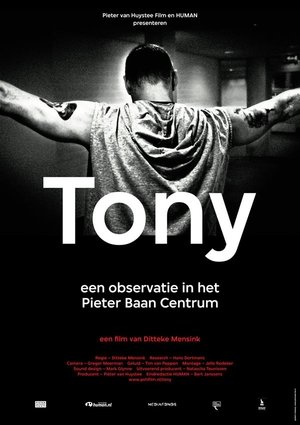
Frequent perpetrator Tony ends up in the Pieter Baan Center after yet another violent robbery. For seven weeks, a procession of behavioral researchers passes him by. They must ultimately come to a unanimous conclusion and then advise the judge: whether or not accountable; tbs or not. Psychiatrist: "What is the worst outcome for you?" Tony: "Tbs with compulsory care." The Pieter Baan Center is a detention center with the special task of investigating persons suspected of a serious crime. It is an independent investigation commissioned by the Ministry of Justice. In a seven-week process, the suspect's personality, the possible presence of a disorder and / or a mental illness and whether it can be linked to the crime are examined. Is there a chance of recurrence?
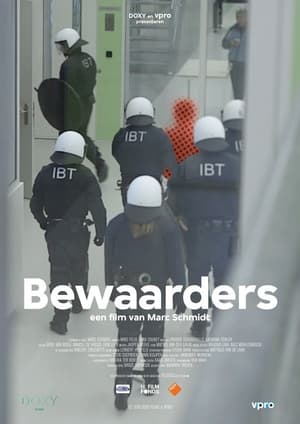
In 2016 the largest and most modern prison in the Netherlands, Judicial Complex Zaanstad, opens its doors. New architecture and a new professional modus operandi enhance the efficiency of the complex and increase the responsibility for prisoners and guards. The demanding and versatile work of guards and prison officials gives us an insight into modern prison practices.
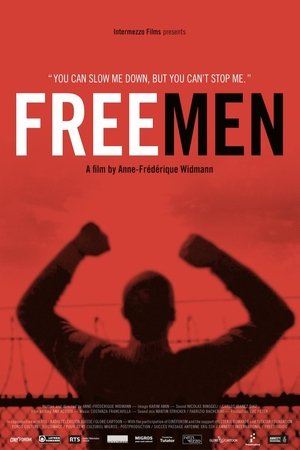
Told through the charismatic voice of inmate Kenneth Reams, Free Men is a film about human resilience. In solitary confinement for the last 25 years, Kenneth has pushed back the walls of his cell to become a painter, a poet, the founder of a non-profit, and an art event organizer - while fighting at the same time for justice. At age 18, Kenneth Reams was convicted for capital murder without firing a bullet. He became the youngest inmate on Arkansas death row. Alongside art, the film shows how love can cross barbed wire and the length of an ocean in Kenneth's love for Isabelle, a French artist who wants to become his wife.
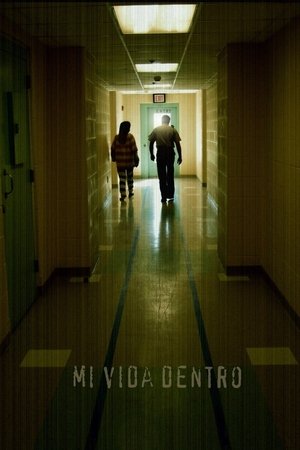
Rosa is a Mexican woman who, at the age of 17, migrated illegally to Austin, Texas. Some years later, she was jailed under suspicion of murder and then taken to trial. This film demonstrates how the judicial process, the verdict, the separation from her family, and the helplessness of being imprisoned in a foreign country make Rosa’s story an example of the hard life of Mexican migrants in the United States.
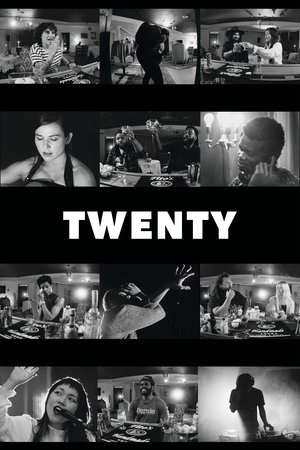
Set in a speakeasy in Atlanta, “Twenty” is a feature documentary about fifteen young people making it through 2020. The film is an observational time capsule that lays bare the raw reflections of a group of people surviving a year that will be seared into our generational memory.
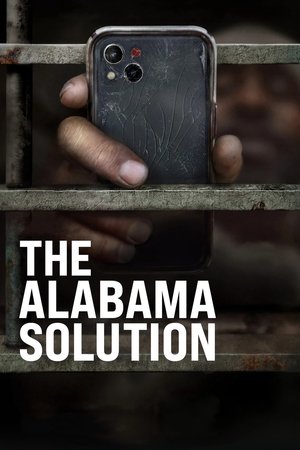
Incarcerated men defy the odds to expose a cover-up in one of America’s deadliest prison systems.
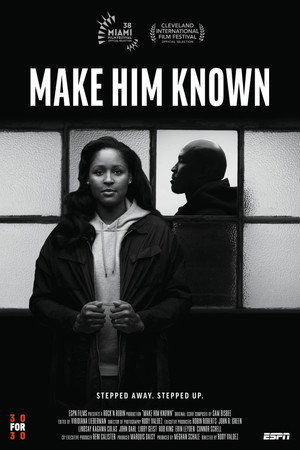
Over the course of more than a decade, 4-time WNBA champion and Olympic Gold medalist Maya Moore and her family have been fighting for the release of a wrongfully convicted man named Jonathan Irons. This short film intimately follows Moore as she embarks on a road trip from Atlanta, GA to Jefferson City, MO to bring home the man who, after 23 years behind bars, has not only become a part of her family, but has also strengthened her faith and inspired her pursuit of criminal justice reform.
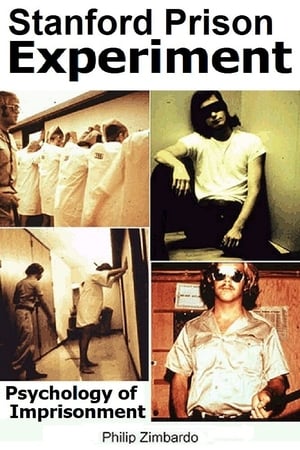
The Stanford prison experiment was a landmark psychological study of the human response to captivity, in particular, to the real world circumstances of prison life, and the effects of imposed social roles on behaviour. It was conducted in 1971 by a team of researchers led by Philip Zimbardo of Stanford University.
Chennu committed his first crime when he was 15 years old: being a street kid. And he entered hell: Pademba Road. The adult prison in Freetown. In hell, Mr. Sillah is in charge, and there is no hope. Chennu got out after four years. Now he wants to go back.
Investigating the infamous Abu Ghraib scandal, Errol Morris interviews American guards and Iraqi prisoners who were at the military jail before images of prisoner torture emerged in 2004. One female guard, who posed alongside fallen Iraqis in notorious images, tells Morris that her crimes were inspired by her love for another soldier, and another explains why she took photographs of her fellow troops. In the process, Morris suggests that the scandal resulted from systemic flaws in the military.